
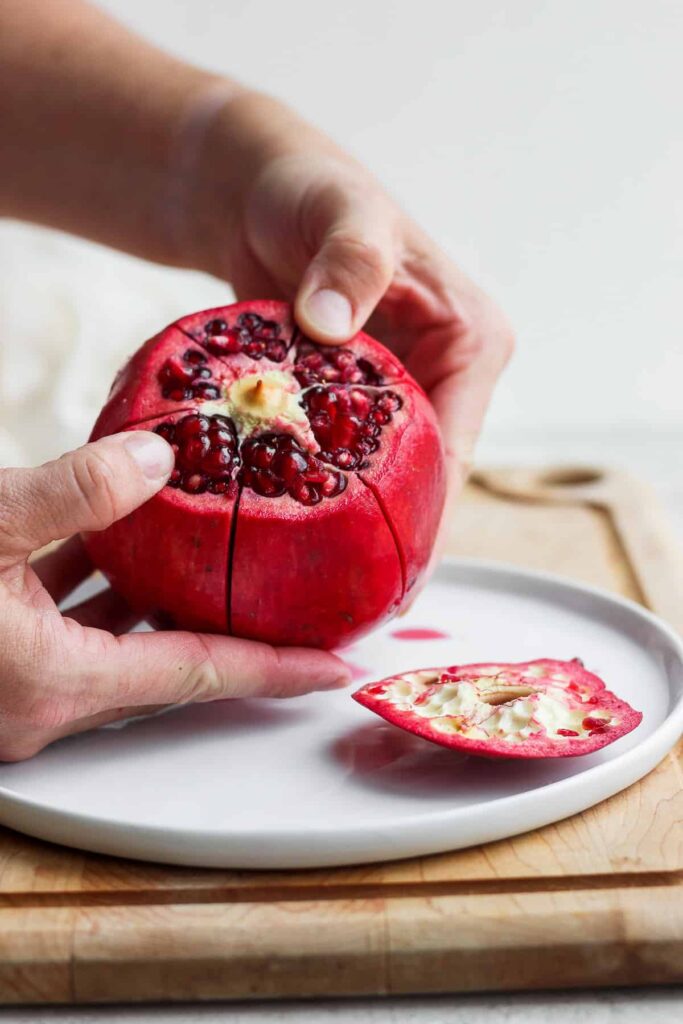
As we indulge in the sweet and juicy flavor of pomegranates, it’s essential to appreciate their numerous health benefits. Rich in vitamins C and E, as well as antioxidants, pomegranates have been linked to reduced risk of tumors and menopause-related issues. However, before we can reap its rewards, we need to master the art of peeling a pomegranate without wasting a single seed or juice drop.
In this article, we’ll explore three unique methods for peeling a pomegranate, each with its own advantages and nuances. We’ll delve into the history, cultural significance, and practical applications of these techniques, ensuring that you’ll be equipped to become a pomegranate-peeling pro in no time.
The Importance of Peeling a Pomegranate
Unlike other fruits, such as apples or bananas, peeling a pomegranate requires finesse and care. The seeds, also known as arils, are the edible and nutritious parts of the fruit, while the outer layer contains bitter compounds that must be removed. If not done correctly, we risk losing valuable nutrients and succulent seeds.
To avoid this predicament, let’s examine each method for peeling a pomegranate in detail, considering factors such as ease of use, mess level, and yield of usable arils.
Method 1: Horizontal Cutting
This technique involves making three horizontal incisions along the circumference of the pomegranate, creating a central cavity and two smaller sections. By carefully removing the outer layer, you’ll expose the seeds within.
Before proceeding, it’s essential to don a pair of rubber gloves to prevent juice stains on your skin and clothes.
Step-by-Step Instructions:
- Make three horizontal cuts, about 1/4 inch deep, without piercing the fruit entirely. Start at one end of the pomegranate and make the first cut, then move to the other end and make the second cut.
- Gently pry open the pomegranate, separating the sections with your fingers or a blunt instrument. You may need to apply gentle pressure to loosen the seeds from their membranes.
- Use a spoon or melon baller to scoop out the seeds from each section, taking care not to damage them.
Advantages and Disadvantages:
- Advantages:
- Easy to use for larger pomegranates
- Allows for easy separation of seeds from membranes
- Disadvantages:
- Can be messy due to juice splashing
- May result in fewer usable arils due to seed damage during handling
Method 2: Horizontal Incision
This method involves creating a single horizontal incision along the length of the pomegranate, dividing it into two equal parts. By applying gentle pressure with your fingers or a spoon, you can dislodge the seeds and arils from their membranes.
- Hold the pomegranate firmly and make a shallow horizontal cut along its length.
- Gently apply pressure to the cut surface, allowing the seeds to fall into a bowl or container.
- Continue to work the seeds loose by gently shaking the pomegranate or using a spoon to coax them out.
Advantages and Disadvantages:
- Advantages:
- Efficient in removing seeds from membranes
- Reduces mess compared to horizontal cutting method
- Disadvantages:
- Can be more challenging for smaller pomegranates
- May result in fewer usable arils if not done carefully
Method 3: Vertical Cutting
This technique involves making vertical cuts along the length of the pomegranate, creating two symmetrical sections. By carefully removing the outer layer, you’ll expose the seeds within.
- Place the pomegranate on a cutting board and make shallow vertical cuts, about 1/4 inch deep, without piercing the fruit entirely.
- Gently pry open the pomegranate, separating the sections with your fingers or a blunt instrument.
- Use a spoon or melon baller to scoop out the seeds from each section, taking care not to damage them.
Advantages and Disadvantages:
- Advantages:
- Easy to use for smaller pomegranates
- Reduces mess compared to horizontal cutting method
- Disadvantages:
- Can be more challenging for larger pomegranates
- May result in fewer usable arils if not done carefully
Tips and Tricks:
- To minimize waste, make sure to only remove the outer layer of the pomegranate, leaving as much of the seed membrane intact as possible.
- Use a spoon or melon baller to scoop out seeds from membranes, rather than trying to break them apart with your fingers.
- If using a vertical cutting method, be careful not to pierce the fruit entirely, as this can damage the seeds and arils.
Conclusion
Peeling a pomegranate requires patience, finesse, and practice. By mastering these three unique methods, you’ll be well on your way to enjoying the nutritional benefits of this delicious fruit while minimizing waste and mess.
So, which method will you choose? Will it be the horizontal cutting technique for its ease of use? The horizontal incision method for its efficiency in seed removal? Or perhaps the vertical cutting technique for its symmetrical results?
Frequently Asked Questions (FAQs)
- Q: What is the best way to prevent juice stains on my skin and clothes while peeling a pomegranate?
A: Wear rubber gloves or use an apron to protect yourself from stains. - Q: Can I use a blender or food processor to remove the seeds from a pomegranate?
A: While possible, this method may not yield the best results in terms of seed quality and nutritional content. - Q: How do I store pomegranates after peeling and using them?
A: Store pomegranate arils in an airtight container in the refrigerator for up to 5 days or freeze for longer storage. - Q: Can I use other fruits, like apples or bananas, for juice extraction?
A: No, these fruits do not have the same level of nutritional content as pomegranates and should not be used for this purpose. - Q: Is it safe to eat pomegranate seeds raw or should they be cooked first?
A: Pomegranate seeds can be eaten raw, but cooking them may enhance their nutritional content and flavor.
Nutritional Benefits of Pomegranates
Pomegranates are a nutrient-rich fruit that provides numerous health benefits. Some of the key nutrients found in pomegranates include:
- Vitamin C: essential for immune function and collagen production
- Vitamin E: acts as an antioxidant, protecting cells from damage
- Potassium: important for heart health and blood pressure regulation
- Fiber: supports healthy digestion and satiety
In addition to its nutritional benefits, pomegranates have also been linked to various health benefits, including:
- Reduced risk of tumors and menopause-related issues
- Improved cardiovascular health
- Enhanced cognitive function and memory
- Anti-inflammatory properties
By incorporating pomegranates into your diet, you can enjoy these benefits while also experiencing the delicious taste and texture of this amazing fruit.
Conclusion
Peeling a pomegranate is an art that requires patience, finesse, and practice. By mastering the techniques outlined in this article, you’ll be well on your way to enjoying the nutritional benefits of this delicious fruit while minimizing waste and mess.
Remember to always wear rubber gloves or use an apron to protect yourself from juice stains, and take care not to damage the seeds and arils during handling.
Whether you choose the horizontal cutting method, horizontal incision method, or vertical cutting method, you’ll be on your way to peeling a pomegranate like a pro!


