
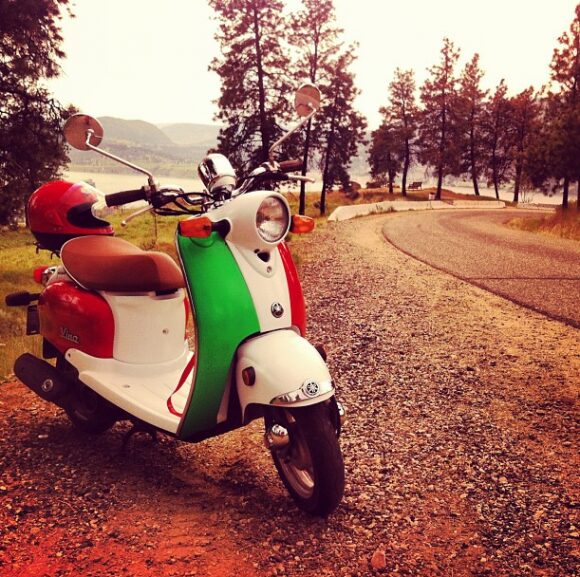
In these challenging times, not everyone can afford to paint their motorcycle. Why not try DIY painting yourself? It’s not as complicated as you think! You’ll need the right equipment and plenty of patience.
Preparing Your Motorcycle for Painting
Before starting the painting process, it’s essential to prepare your motorcycle thoroughly. Obtain a 600-grit water-paper and an anti-rust spray. Scrub the entire frame, including the fork, with the paper to remove any existing paint and rust. Once you’ve passed the paper over everything, disassemble the saddle and side panels to prevent them from getting dirty. After using the paper, use a clean, dry cloth to wipe away any remaining dust.
Understanding Your Motorcycle’s Surface
Before choosing a paint job, it’s essential to understand your motorcycle’s surface. There are several types of surfaces on motorcycles, including:
- Metal: Metal surfaces require a special primer and paint to ensure adhesion.
- Plastic: Plastic surfaces can be painted with a variety of materials, but it’s crucial to choose the right type of paint to avoid damage.
- Aluminum: Aluminum surfaces have a unique coating that requires specialized paint.
Choosing the Right Paint
With so many types of paints available, choosing the right one can be overwhelming. Here are some factors to consider:
- Type of paint: Acrylic, polyurethane, and epoxy are popular choices for motorcycles.
- Color retention: Some paints retain color better than others, especially in harsh weather conditions.
- Durability: Durability is crucial for a motorcycle’s paint job. Look for paints that are resistant to scratches and fading.
Painting Techniques
Once you’ve chosen the right paint, it’s time to start painting! Here are some techniques to keep in mind:
- Horizontal strokes: Apply horizontal strokes with smooth, even movements to avoid drips.
- Clean lines: Use a clean brush or roller to create sharp lines and precise edges.
- Thinning coats: Thin coats of paint allow for better adhesion and fewer mistakes.
Tips for Painting Your Motorcycle
Before starting the painting process, choose a suitable location:
- A room with good ventilation
- A surface that can be closed off from three sides
- A place free from dust and dirt
During the painting process, wear protective gear:
- A disposable mask
Avoid painting in dusty or dirty areas.
Common Mistakes to Avoid
Some common mistakes include:
- Not preparing the surface properly
- Applying too much paint or using too little paint
- Failing to follow the manufacturer’s instructions for the specific type of paint being used
By following these tips and best practices, you can achieve a professional-looking finish on your motorcycle.
Frequently Asked Questions
Q: What type of paint is best for motorcycles?
A: There are several types of paint available, including epoxy, polyurethane, and acrylic. The choice of paint depends on the desired finish, durability, and color retention.
Q: How long does it take for spray paint to dry?
A: Spray paint typically takes 6-8 hours to dry completely, depending on the ambient temperature and humidity.
Q: Can I use a compressor to paint my motorcycle indoors?
A: While it’s possible to paint with a compressor indoors, it may not be the best option. Compressors can produce loud noises and require proper ventilation.
Q: What should I do if I make a mistake while painting?
A: If you make a mistake, don’t panic! Stop immediately, and assess the damage. You can try to correct the mistake or start over with a new coat of paint.
Q: Can I use spray paint on aluminum parts?
A: Spray paint is not recommended for aluminum parts as it may damage the surface. Instead, consider using a specialized clear coat or a paint specifically designed for aluminum surfaces.
Q: How do I remove old paint from my motorcycle?
A: To remove old paint, start by sanding the area with a fine-grit sandpaper to roughen the surface. Then, use a degreaser and a soft cloth to wipe away any remaining residue.
By following this comprehensive guide, you can achieve a professional-looking finish on your motorcycle and save money by doing it yourself.


