
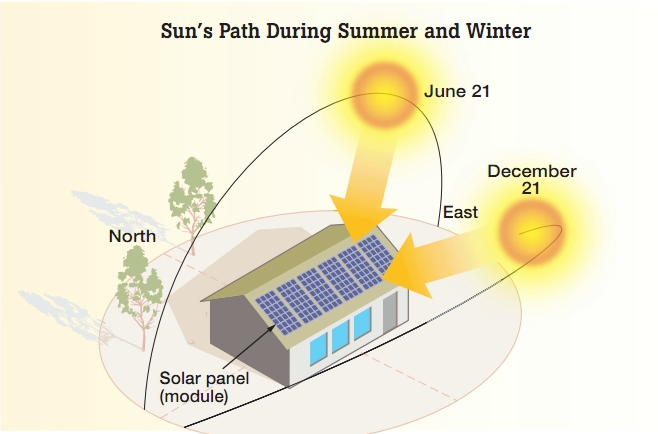
The performance of a solar panel is highly dependent on its orientation and inclination. A poor orientation or inclination can lead to significant losses in energy yield, making it crucial to choose the right orientation for maximum energy production.
Understanding the Importance of Solar Panel Orientation
Solar panels need to be exposed directly to sunlight at an angle that allows them to capture as much energy as possible from the sun’s rays. However, the position of the sun throughout the day is never constant, requiring a strategic approach to optimize panel orientation.
Why Orientation Matters
Solar panels need to be oriented in a way that allows them to receive direct sunlight for maximum energy production. The angle at which the solar panel is installed determines how much sunlight it receives and how efficiently it converts that sunlight into electricity. A well-optimized solar panel installation can result in significant gains in energy yield, reducing the amount of power required from other sources.
Determining the Best Orientation for Your Location
For locations in the Northern Hemisphere, such as Italy, panels oriented south-southwest (with a slight westward tilt) receive the maximum amount of sunlight throughout the day. The ideal inclination for these panels ranges from 25° to 35°, allowing them to be perpendicular to the sun’s rays for most of the day.
Maximizing Energy Yield in Different Climates
The optimal orientation and inclination vary depending on the climate and geographical location. In regions with mild winters and hot summers, such as southern Italy, panels oriented south-southwest can maximize energy yield during the afternoon hours when the sun is at its strongest.
However, in regions with harsh winters or high levels of cloud cover, panels may need to be adjusted to compensate for reduced sunlight exposure. For example, in areas with limited sunlight during winter months, a more pronounced eastward tilt (around 60°) can help increase energy production during the colder months.
Balancing Aesthetics and Practicality
While optimizing solar panel orientation is crucial, it’s equally important to consider factors like aesthetics, available space, and ease of maintenance. Panels should be installed in an area that allows for easy access and minimizes visual impact, ensuring a seamless integration with the surrounding environment.
Tips for Installing Solar Panels
When installing solar panels, it’s essential to consult with a professional to determine the best orientation and inclination based on your specific location and climate. Consider factors like:
- Sunlight exposure: Ensure that the panels receive direct sunlight throughout the day.
- Temperature: Optimize panel placement to take advantage of cooler temperatures during the day.
- Obstructions: Avoid shading from nearby structures, trees, or other obstructions that could reduce energy yield.
- Maintenance access: Install panels in an area with easy access for cleaning and maintenance.
Frequently Asked Questions
Q: What is the ideal orientation for solar panels in Italy?
A: Panels oriented south-southwest (with a slight westward tilt) receive the maximum amount of sunlight throughout the day, making them suitable for locations in Italy.
Q: How do I determine the best inclination for my solar panels?
A: Consult with a professional to assess your specific location and climate, taking into account factors like temperature, obstructions, and available space.
Q: Can I install solar panels on a south-facing slope?
A: While it’s technically possible, a south-facing slope can be challenging due to shading from nearby structures or trees. Consider consulting with a professional to determine the best orientation for your specific situation.
Q: How often should I clean my solar panels?
A: Regular cleaning (every 2-3 months) is recommended to maintain optimal energy production. Consult with a professional for guidance on the best cleaning methods and schedules.
Q: Can I install solar panels in shaded areas?
A: While it’s possible, installing solar panels in shaded areas can significantly reduce energy yield. Consider reorienting or relocating the panels to optimize sunlight exposure.
Q: Are there any tax incentives for installing solar panels?
A: Check with local authorities and government agencies for available tax incentives and rebates on solar panel installations.
Common Mistakes to Avoid When Installing Solar Panels
- Inadequate orientation: Failing to optimize the orientation of solar panels can result in reduced energy yield.
- Insufficient tilt angle: A tilt angle that is too low or too high can lead to reduced sunlight exposure and decreased energy production.
- Shading from obstructions: Ignoring shading from nearby structures, trees, or other obstructions can significantly reduce energy yield.
- Poor maintenance access: Installing panels in a location with limited access for cleaning and maintenance can increase downtime and reduce overall system efficiency.
Best Practices for Optimizing Solar Panel Orientation
- Conduct a site assessment: Consult with a professional to determine the best orientation and inclination based on your specific location and climate.
- Use solar panel tracking systems: Implementing solar panel tracking systems can help optimize energy production by adjusting the angle of the panels throughout the day.
- Incorporate shading reduction strategies: Incorporating shading reduction strategies, such as installing solar panels with a slight eastward tilt or using a shading screen, can help increase energy yield in shaded areas.
- Regularly maintain and clean the system: Regular maintenance and cleaning of the solar panel system can help ensure optimal energy production and extend the lifespan of the equipment.
By following these best practices and avoiding common mistakes, you can optimize your solar panel orientation to maximize energy yield and reduce costs associated with energy production.


