
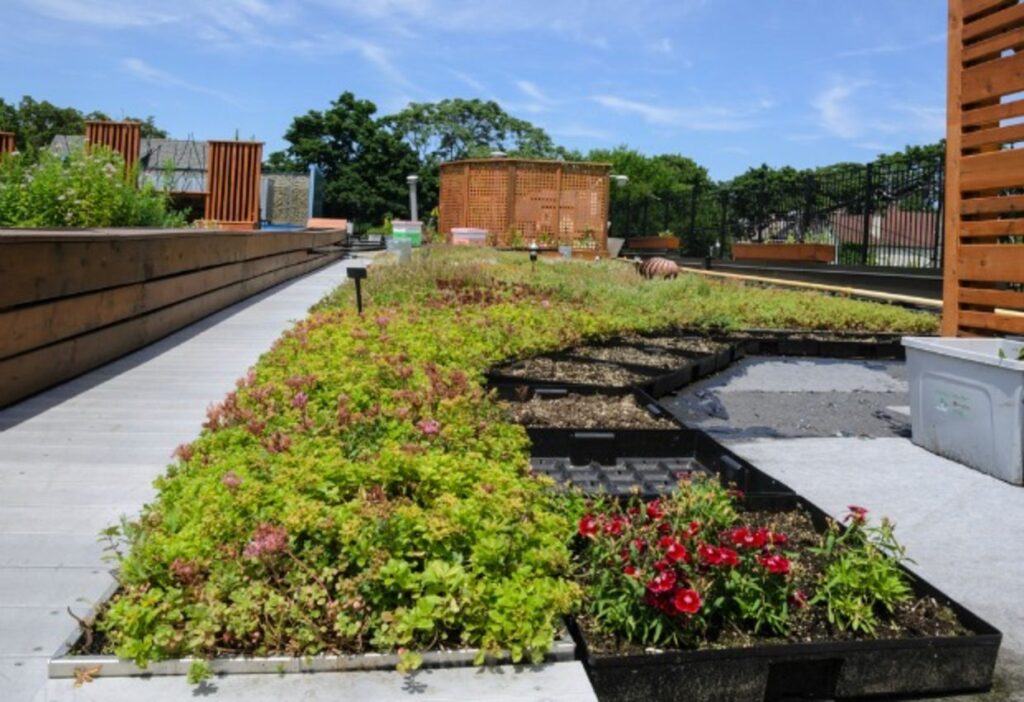
As cities continue to grow, the demand for urban gardens is increasing. In recent years, more and more people are turning to gardening as a way to connect with nature and provide fresh produce for their families. But where do you start? Why not ask your local government if they can set up an urban garden in your community?
What is an Urban Garden?
An urban garden is a dedicated space for domestic agriculture, where individuals or communities can grow their own fruits, vegetables, and herbs. These gardens are often provided by local governments, particularly in cities, to provide access to green spaces for residents who do not have the time or space to maintain a traditional garden.
Urban gardens can be found in various forms, from small plots on rooftops to large community gardens that span entire city blocks. They offer a unique opportunity for people to come together and work towards a common goal: growing healthy, sustainable food in an urban setting.
Why Do People Want Urban Gardens?
Urban gardens offer many benefits, including:
- Access to fresh, locally grown produce
- A connection to nature and improved mental health
- Opportunities for socialization and community building
These benefits are particularly important in urban areas, where access to green spaces can be limited. By providing a space for people to grow their own food, urban gardens help to address issues such as food security, obesity, and air pollution.
How to Request an Urban Garden
To request an urban garden, you’ll typically need to enter the waiting list. The specific requirements for each community may vary, but common criteria include:
- Age and residency
- Availability of a plot
- Ability to maintain the garden
It’s essential to check with your local government about their specific requirements and guidelines. Some cities may have more stringent rules or regulations in place, while others may be more flexible.
The Benefits of Urban Gardens
Urban gardens offer many benefits, including:
- Fresh produce: Grow your own fruits, vegetables, and herbs using sustainable practices.
- Community building: Connect with neighbors and build a sense of community around the garden.
- Mental health: Spend time outdoors and reduce stress.
However, urban gardens also come with some challenges, such as:
- Space constraints: Finding a suitable location for an urban garden can be difficult in densely populated areas.
- Maintenance: Urban gardens require regular maintenance to ensure they remain healthy and productive.
Grants and Fees
Some urban gardens are free, while others may require a small annual fee. The cost of participating in an urban garden varies depending on the community and the specific program.
In some cases, urban gardens are maintained through a community-led approach, where residents work together to manage the space. This can be a great way to build relationships with neighbors and create a sense of ownership.
Collettive Gardening: A Growing Trend
In some regions of Italy, people are using collettive gardening methods to maintain their urban gardens. For example, in Milan, the Libera Rape Metropolitana network brings together residents who share knowledge and resources to maintain community gardens.
This approach not only helps maintain green spaces but also fosters a sense of community and cooperation among participants. By working together, people can share expertise, skills, and resources, making it easier to maintain the garden.
Permaculture Design: A Key Principle
Urban gardens often incorporate permaculture principles, which focus on creating sustainable and self-sufficient ecosystems. This approach involves designing the garden to mimic natural systems, where plants are carefully selected and arranged to work together in harmony.
By incorporating permaculture design principles, urban gardens can become more resilient and productive over time. This not only helps to reduce maintenance costs but also creates a beautiful and thriving ecosystem that benefits both humans and wildlife.
Urban Gardening for Beginners
If you’re new to urban gardening, there are several things to keep in mind:
- Start small: Begin with a small plot or container garden to gain experience and build confidence.
- Choose easy-to-grow plants: Select plants that are known to thrive in urban conditions, such as leafy greens, herbs, and cherry tomatoes.
- Research local regulations: Check with your local government to ensure that you’re following all necessary regulations and guidelines.
Urban Gardening for Experienced Gardeners
If you have experience gardening, there are several ways to take your skills to the next level:
- Experiment with new techniques: Try out permaculture design principles, vertical gardening, or other innovative approaches to create a unique urban garden.
- Join a community garden: Connect with other gardeners and learn from their experiences to expand your knowledge and skillset.
- Incorporate companion planting: Select plants that work well together to improve yields and reduce pests.
Sustainable Urban Gardening Practices
Urban gardening can have a significant impact on the environment, particularly when it comes to water conservation and waste reduction. Here are some sustainable practices to consider:
- Rainwater harvesting: Collect rainwater in barrels or cisterns to use for irrigation.
- Composting: Turn food scraps and yard waste into nutrient-rich compost to fertilize your plants.
- Companion planting: Select plants that work well together to improve yields and reduce pests.
By incorporating these sustainable practices, you can create a thriving urban garden that not only provides fresh produce but also helps to protect the environment.
Urban Gardening for Mental Health
Urban gardening has been shown to have numerous mental health benefits, including:
- Reduced stress: Spending time outdoors and engaging in physical activity can help reduce stress levels.
- Improved mood: Being around plants and nature has been shown to improve mood and reduce symptoms of depression.
- Social connections: Urban gardens often provide opportunities for socialization and community building.
By incorporating urban gardening into your routine, you can take a proactive approach to maintaining good mental health.
Conclusion
Urban gardens offer many benefits, including access to fresh produce, socialization, and mental health benefits. By requesting an urban garden from your local government, you can take the first step towards creating a sustainable and thriving green space in your community.
Whether you’re a seasoned gardener or just starting out, there’s never been a better time to get involved with urban gardening. With its numerous benefits and growing popularity, it’s no wonder that this trend is expected to continue for years to come.
Frequently Asked Questions
-
What are the requirements for participating in an urban garden?
- Age and residency
- Availability of a plot
- Ability to maintain the garden
-
Are there any costs associated with participating in an urban garden?
- Some programs may require a small annual fee
- Others may be free or grant-funded
-
How do I find out if an urban garden is available in my area?
- Contact your local government for information on waiting lists and requirements
- Ask neighbors or community groups about existing gardens in the area
-
What are some challenges associated with maintaining an urban garden?
- Space constraints: Finding a suitable location for an urban garden can be difficult in densely populated areas.
- Maintenance: Urban gardens require regular maintenance to ensure they remain healthy and productive.
-
How can I get involved in collettive gardening methods?
- Research local networks and communities that use this approach
- Join online forums or social media groups to connect with others interested in collective gardening.
-
What are the benefits of participating in a collettive garden?
- Shared knowledge and resources among participants
- Building relationships with neighbors
- Maintaining green spaces through community effort
-
How can I incorporate permaculture design principles into my urban garden?
- Research local experts and networks that specialize in permaculture design.
- Attend workshops or training sessions to learn more about this approach.
-
What are some common pests and diseases that affect urban gardens?
- Research local pest control methods, such as organic pesticides or integrated pest management techniques.
- Consult with other gardeners or local experts for advice on managing these issues.
-
How can I reduce water consumption in my urban garden?
- Use rainwater harvesting systems to collect and store rainwater for irrigation.
- Implement drip irrigation or other efficient watering methods.
-
What are some common mistakes that new gardeners make when starting an urban garden?
- Starting too large: Begin with a small plot or container garden to gain experience and build confidence.
- Not researching local regulations: Check with your local government to ensure that you’re following all necessary regulations and guidelines.
By asking these questions and considering the tips and advice provided, you’ll be well on your way to creating a thriving urban garden that provides fresh produce, socialization, and mental health benefits.


