
Are you looking for a vacation that gets you up close and personal with nature? Camping is an excellent option. However, for those who choose camping as their getaway, they must have some essential requirements: adaptability, knowledge of the world of camping, tents, and all the necessary gear.
Choosing the Right Tent
When selecting a tent for your camping trip, you need to consider the type of camping you’ll be doing and how you want to experience it. Remember that a tent can’t provide all the comforts you’re used to in your home or hotel.
There are two main types of tents: Canadian-style and igloo-style. Here’s a brief overview of each:
Tenda Canadese
Inside a Canadian-style tent, you can stand up, which is a major advantage as it makes changing clothes easier and alleviates the feeling of being cramped in lower-tent styles. Its sloping shape allows water to flow away quickly during unexpected summer showers. However, its design makes it more challenging to assemble and less stable.
Tenda Igloo
An igloo-style tent is much compact and more stable. Many have a support system that can hold them even on difficult terrain where staking down poles is impossible. Be cautious if you suffer from back problems: inside the tent, you can only lie down or crouch. The size and weight of the tent are also important factors to consider for an itinerant trip.
Choosing the Right Tent
If you plan to stay in the same campsite, you might want to choose a larger tent for increased comfort and possibly a veranda where you can enjoy meals during bad weather or store your belongings safely.
It’s highly recommended to practice setting up the tent before departing at home or in your garden: this way, you’ll avoid wasting the first day of camping on reading instructions and figuring out how to assemble the tent.
Camping Gear and What to Bring
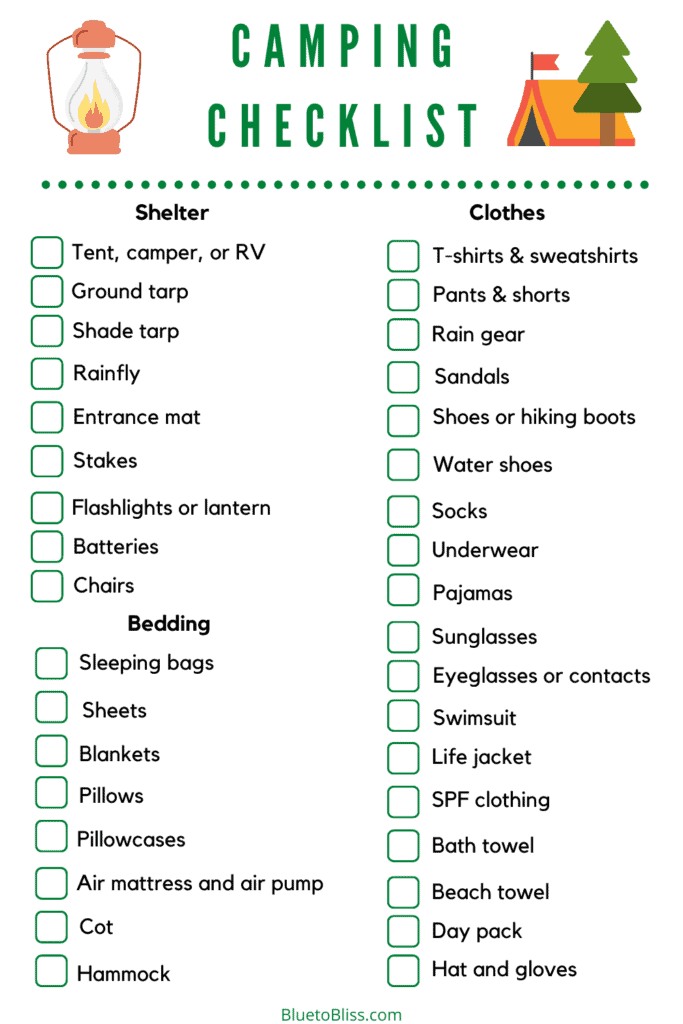
So, what should you bring along? Experts suggest packing only the essentials but there are some items that shouldn’t be left behind!
- Waterproof tarpaulin: useful in case of rain. A waterproof tarpaulin can protect your belongings from water damage and keep them dry.
- Portable stove or cooking equipment: even if you plan to eat outside, having a portable stove or cooking equipment for camping can add to the experience.
- Plastic storage containers: clear plastic containers with lids are super useful for storing dishes, groceries, and other essentials. They help keep your belongings organized and secure from pests like ants and spiders.
- Lantern or flashlight: not all campsites offer lighting, so a lantern or flashlight will come in handy if you need to stay up late.
Additional Tips
A good camping trip is not just about the gear; it’s also about planning ahead. Here are some additional tips for a successful and enjoyable camping experience:
- Research your campsite beforehand: check out reviews from previous visitors, ask about rules and regulations, and take note of any potential hazards or challenges.
- Consider the size of your tent: if you have a large family or group, choose a larger tent to accommodate everyone comfortably.
- Don’t forget about comfort: bring along extra blankets, pillows, and sleeping bags for added coziness.
Setting Up Campsite
Once you’ve arrived at the campsite, take some time to explore and get familiar with your surroundings. This is also an excellent opportunity to check out the facilities and make any necessary adjustments before setting up your tent.
When choosing a spot, consider factors like sunlight exposure, accessibility, and proximity to amenities. Some campsites have designated areas for tents, while others allow you to pitch anywhere within the campsite.
Canine Camping
If you’re planning to bring your furry friend along on your camping trip, make sure to check with the campsite beforehand to see if they allow dogs or cats. The rules of camper etiquette are respect and sharing. Don’t forget to seek advice from seasoned campers who have valuable insights to share.
Camping is a unique experience that allows you to connect with nature in an unparalleled way. Even once, you should give it a try!
Frequently Asked Questions
-
What kind of tent is best for beginners?
A good starting point for any camper is the Canadian-style tent due to its ease of use and stability. -
Can I camp alone or with my partner?
Both are feasible options, but make sure to plan ahead and choose a campsite that suits your needs. -
How do I stay safe while camping?
Follow basic safety guidelines: keep a first aid kit handy, stay hydrated, be mindful of wildlife, and inform someone about your itinerary before you go.
-
What should I pack for my first camping trip?
Start with the basics (tent, sleeping bag, clothes) and gradually add more items as you gain experience. -
Can I camp in extreme weather conditions?
Not recommended without proper gear and expertise. Always check forecasts beforehand and be prepared for any eventuality. -
How do I clean up after my camping trip?
Make sure to leave the campsite cleaner than when you arrived, remove all trash, and dispose of waste properly according to campsite rules.
-
Can I bring my pet along on the camping trip?
If allowed by the campsite, make sure your furry friend is well-behaved and doesn’t disrupt other campers. -
How can I improve my camping experience?
Experiment with different camping techniques, try out new gear, and don’t hesitate to ask for advice from fellow campers or seasoned pros.
Camping Etiquette
Camping etiquette is essential when sharing a site with others. Some simple guidelines include:
- Respect shared spaces and belongings
- Keep noise levels down after dark
- Follow waste disposal rules and regulations
- Be mindful of sensitive wildlife habitats
By following these tips, you’ll be well on your way to becoming a seasoned camper and enjoying the great outdoors.
Tips for Camping with Children
Camping with kids can be an amazing experience! Here are some additional tips:
- Plan activities that will keep them entertained, such as games, scavenger hunts, or exploring nature.
- Bring along kid-friendly gear, like portable playgrounds or outdoor toys.
- Consider a campsite with amenities like picnic areas and playgrounds to make the trip more enjoyable.
Tips for Camping in Remote Areas
When camping in remote areas, it’s crucial to be prepared for any eventuality. Here are some additional tips:
- Bring along a satellite phone or GPS device to stay connected with emergency services.
- Pack enough food and water to last throughout your trip.
- Consider investing in a portable shelter or tent that can withstand harsh weather conditions.
Tips for Camping During Peak Season
When camping during peak season, it’s essential to be prepared for the crowds. Here are some additional tips:
- Book your campsite well in advance to ensure availability.
- Plan activities and excursions early in the morning or late at night to avoid the heat.
- Bring along a portable fan or cooling system to keep you cool.
By following these tips, you’ll be well on your way to having an epic camping trip that will leave you feeling refreshed and rejuvenated.


