
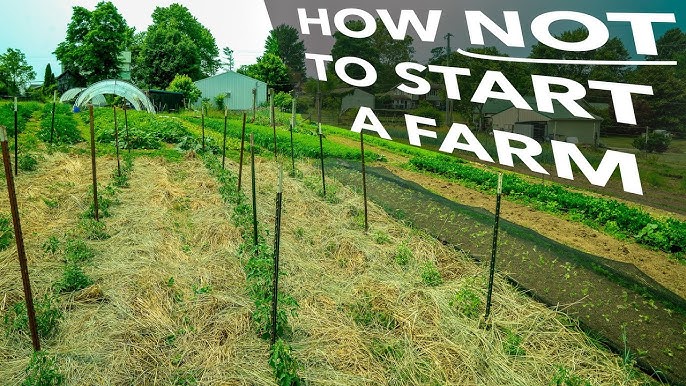
Are you considering starting an agricultural business? With the rise of sustainable agriculture and the growing demand for locally produced food, now is a great time to explore this venture. But before you begin, it’s essential to understand what it takes to start a successful agricultural business.
In this article, we’ll take a closer look at the process of starting an agricultural business, from planning and budgeting to managing operations and finding funding opportunities.
What is an Agricultural Business?
An agricultural business refers to any enterprise that involves the cultivation, harvesting, or production of crops, livestock, or other agricultural products. It can range from small-scale farming operations to large-scale industrial farms.
Before you start your own agricultural business, it’s crucial to determine what type of operation you want to establish. Are you interested in specializing in a specific crop or product? Or do you want to diversify your operations and offer multiple products?
Defining Your Agricultural Business
Once you’ve decided on the type of business you want to start, it’s time to define its scope and objectives. What are your goals for the business? Do you want to produce organic products, or focus on traditional farming methods?
Developing a clear vision and mission statement will help guide your decision-making process and ensure that your business stays focused on its core objectives.
Planning and Budgeting
Before you start building your agricultural business, it’s essential to develop a solid business plan. This includes:
- Conducting market research to understand your target audience and competition
- Creating a detailed budget and financial projections
- Identifying the resources needed to launch and operate your business
Market Research
Conducting market research is crucial to understanding your target audience and competition. Here are some steps you can take:
- Identify your target market: Who are the people or businesses that will be interested in your products?
- Analyze your competitors: What products do they offer, and how do they market them?
- Determine your unique selling proposition (USP): What sets your business apart from others in the industry?
Creating a Budget
Developing a detailed budget is essential to ensure that you have enough resources to launch and operate your business. Here are some steps you can take:
- Estimate your startup costs: What initial investment will you need to get started?
- Determine your ongoing expenses: How much money will you need to spend each month to keep the business running?
- Create a financial plan: How will you manage your finances, and what contingency plans do you have in place?
Finding Funding Opportunities
Starting an agricultural business can be capital-intensive, but there are various funding options available. Some popular sources of funding include:
- Government grants and loans for small-scale farmers and entrepreneurs
- Private investors and venture capitalists interested in sustainable agriculture projects
- Crowdfunding platforms that allow individuals to contribute to your project
It’s essential to research and explore these funding opportunities thoroughly to determine the best options for your business.
Government Grants and Loans
The government offers various grants and loans to support small-scale farmers and entrepreneurs who want to start agricultural businesses. Some popular programs include:
- The Small Business Administration (SBA) loan program
- The Farm Service Agency (FSA) grant program
- The National Institutes of Health (NIH) research grant program
Private Investors and Venture Capitalists
Private investors and venture capitalists are also interested in sustainable agriculture projects. Here are some tips for attracting their attention:
- Develop a compelling business plan: What makes your business unique, and how will it generate revenue?
- Showcase your expertise: What experience do you have with agriculture, and what skills can you bring to the table?
- Network with potential investors: Attend industry conferences and networking events to meet people who may be interested in investing in your business
Crowdfunding
Crowdfunding platforms allow individuals to contribute small amounts of money to support a project or business. Here are some tips for using crowdfunding effectively:
- Choose the right platform: Which crowdfunding platform is best suited for your needs?
- Create a compelling pitch: What makes your project unique, and how will it benefit your community?
- Build a strong network: Who can you count on to spread the word about your project?
Managing Operations
Once you’ve secured funding, it’s time to focus on managing your agricultural business. This includes:
- Developing a comprehensive marketing strategy to reach your target audience
- Building relationships with suppliers, buyers, and other stakeholders in the industry
- Implementing efficient production and delivery systems to ensure timely and high-quality products
Marketing Strategy
Developing a comprehensive marketing strategy is crucial to reaching your target audience and building brand awareness. Here are some tips for creating an effective marketing plan:
- Identify your target market: Who are the people or businesses that will be interested in your products?
- Determine your unique selling proposition (USP): What sets your business apart from others in the industry?
- Develop a pricing strategy: How much will you charge for your products, and what value will they offer to customers?
Building Relationships
Building relationships with suppliers, buyers, and other stakeholders in the industry is essential to ensure that your business runs smoothly. Here are some tips for building strong relationships:
- Be proactive: Don’t wait for others to reach out to you – take the initiative to build connections
- Listen actively: Pay attention to what others have to say, and show that you value their input
- Follow up: Regularly follow up with your partners and suppliers to ensure that everything is running smoothly
Implementation and Delivery
Implementing efficient production and delivery systems is crucial to ensuring timely and high-quality products. Here are some tips for delivering your products:
- Develop a logistical plan: How will you get your products from the farm to the customer?
- Implement efficient systems: What technology or tools can you use to streamline your operations?
- Monitor quality control: How will you ensure that your products meet the highest standards of quality?
Understanding Regulations and Compliance
As an agricultural business owner, you’ll need to comply with various regulations and laws governing food safety, environmental sustainability, and labor practices.
It’s essential to stay informed about these regulations and ensure that your business meets all necessary standards. Here are some tips for staying compliant:
- Research regulations: What laws and regulations govern your industry?
- Stay up-to-date: Regularly review updates on regulations and compliance requirements
- Consult with experts: How can you seek advice from lawyers, accountants, or other professionals to ensure that your business is in compliance?
The Role of Technology in Agricultural Business
Technology plays a crucial role in modern agriculture, from precision farming techniques to digital marketing platforms. By embracing innovation and technology, you can:
- Improve crop yields and efficiency
- Enhance product quality and safety
- Expand your reach and market share
Some popular technologies used in agricultural business include:
- Precision farming: What tools or techniques can you use to optimize crop growth and reduce waste?
- Digital marketing: How can you use social media, email marketing, or other digital platforms to promote your products?
- Robotics and automation: What machines or systems can you use to streamline production and improve efficiency?
Starting an Agricultural Business: Key Considerations
Before starting your own agricultural business, consider the following key factors:
- Market demand: Is there a strong demand for the products you plan to produce?
- Competition: Who else is operating in the same market or niche?
- Resources: Do you have access to the necessary resources, including land, equipment, and funding?
- Regulations: Are you familiar with the regulations and laws governing your industry?
By carefully considering these factors, you can set yourself up for success and build a thriving agricultural business.
Conclusion
Starting an agricultural business requires careful planning, hard work, and dedication. By understanding the key considerations outlined in this article, you can create a solid foundation for your business and ensure its long-term success.
Do you have any questions about starting an agricultural business? Check out our frequently asked questions section below:
Frequently Asked Questions
Q: What are the most common types of agricultural businesses?
A: The most common types of agricultural businesses include crop farming, livestock production, and aquaculture.
Q: How do I find funding for my agricultural business?
A: There are various funding options available, including government grants, private investors, and crowdfunding platforms. Research these options thoroughly to determine the best fit for your business.
Q: What regulations and laws do agricultural businesses need to comply with?
A: Agricultural businesses must comply with various regulations and laws governing food safety, environmental sustainability, and labor practices.
Q: How can technology improve my agricultural business?
A: Technology can improve crop yields and efficiency, enhance product quality and safety, and expand your reach and market share.
Q: What are the most important considerations when starting an agricultural business?
A: The most important considerations include market demand, competition, resources, and regulations. By carefully considering these factors, you can set yourself up for success and build a thriving agricultural business.


