
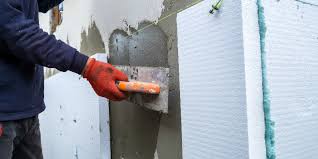
Installing insulating panels is a simple and cost-effective way to reduce heat loss and improve energy efficiency in your home. In this article, we will guide you through the process of installing insulating panels on walls and ceilings. Whether you’re a seasoned DIYer or a beginner, this article will provide you with the necessary information to make informed decisions about your insulation project.
Cost Considerations
The cost of installing insulating panels can vary depending on the company you choose to work with. If you want to save money, you can consider doing it yourself. With a little planning and effort, you can install insulating panels that meet your specific needs and preferences. Here are some factors to consider when calculating the cost:
- The type of insulation material used
- The size and number of panels required
- The labor costs for installation (if hiring a professional)
- Any additional materials or tools needed
Choosing the Right Insulating Panels
Insulating panels come in various shapes and sizes, and each has its unique characteristics. You can choose from prefabricated panels with different features, such as insulation material, thermal resistance, and moisture barrier. Here are some factors to consider when selecting the right insulating panels:
- Insulation Material: Choose a panel that provides adequate R-value for your specific climate zone.
- Thermal Resistance: Ensure that the panels meet or exceed the recommended thermal resistance standards for your region.
- Moisture Barrier: Select a panel with a built-in moisture barrier to prevent water damage and mold growth.
- Size and Shape: Choose panels that fit your specific wall or ceiling dimensions.
Installing Insulating Panels on Walls
Insulating panels can be installed on both internal and external walls of a building. Some panels are designed specifically for interior use, while others are suitable for exterior installation. To ensure proper installation, follow these steps:
Step 1: Measure the Wall Height
Measure the height between the floor and ceiling to determine how many panels you’ll need.
Step 2: Cut the Panels
Cut the panels by about 1 cm less than the measured height.
Step 3: Apply Adhesive Mortar
Apply a layer of adhesive mortar to the back of each panel, spacing it about 40 cm apart.
Step 4: Install the First Panel
Install the first panel, starting from the top and working your way down. Use clips or brackets to secure it to the wall.
Step 5: Ensure Proper Alignment
Ensure that the panels are perfectly aligned with the wall, using shims if necessary.
Step 6: Secure the Panels
Use screws or nails to secure the panels in place, making sure they’re tightly fastened.
Additional Tips for Wall Installation
- Use expanding foam to seal gaps between panels and the wall.
- Apply a layer of joint compound to fill any gaps between panels.
- Ensure that the panels are level and plumb throughout the installation process.
- Consider installing panels with a built-in airlock system to minimize drafts and improve energy efficiency.
Installing Insulating Panels on Ceilings
Installing insulating panels on ceilings is more complex than installing them on walls. It’s recommended that you only attempt this task if you’re an experienced DIYer. Here are some tips for ceiling installation:
Step 1: Determine the Panel Placement
Determine where to place the panels, ensuring they’re evenly spaced and aligned with the ceiling.
Step 2: Install the Support Systems
Install support systems, such as metal brackets or screws, to hold the panels in place.
Step 3: Secure the Panels
Secure the panels to the support system using screws or nails.
Additional Tips for Ceiling Installation
- Ensure that the support system is securely attached to the ceiling.
- Use a level to ensure the panels are perfectly aligned.
- Consider installing panels with a built-in ventilation system to improve air circulation and reduce moisture buildup.
- Be cautious when working on ceilings, as falls can be hazardous.
Choosing the Right Insulating Panels for Your Roof
For roof insulation, you can use panels with a sandwich design, which are specifically designed for this purpose. These panels come with a pre-assembled kit that includes screws and brackets. Here are some factors to consider when selecting the right insulating panels for your roof:
- Roof Type: Choose panels suitable for your specific roof type (e.g., asphalt shingle, metal, tile).
- R-Value: Ensure that the panels provide adequate R-value for your region’s climate.
- Material Durability: Select panels made from durable materials that can withstand weather conditions and foot traffic.
Step 1: Follow the Manufacturer’s Instructions
Follow the manufacturer’s instructions for assembling the panel kit.
Step 2: Install the Panels
Install the panels according to the manufacturer’s instructions, ensuring they’re evenly spaced and aligned.
Additional Tips for Roof Installation
- Ensure that the panels are securely fastened to the roof structure.
- Use a level to ensure the panels are perfectly aligned.
- Consider installing panels with a built-in ventilation system to improve air circulation and reduce moisture buildup.
Conclusion
Installing insulating panels is a simple process that can significantly improve your home’s energy efficiency. By following these steps and choosing the right insulating panels, you can enjoy cost savings on heating costs and a more comfortable living space. Remember to always follow safety precautions and manufacturer instructions when working with insulation materials.
FAQs
- Q: What are the benefits of installing insulating panels?
A: Insulating panels help reduce heat loss, improve energy efficiency, and save money on heating costs. - Q: Can I install insulating panels myself?
A: Yes, you can install insulating panels yourself if you follow the manufacturer’s instructions and take necessary safety precautions. - Q: What type of insulation material should I use for my roof?
A: The type of insulation material suitable for your roof depends on various factors, including climate, weather conditions, and personal preference. - Q: How do I choose the right insulating panels for my wall installation?
A: Consider factors such as panel size, thickness, and material when choosing the right insulating panels for your wall installation. - Q: Can I install insulating panels on both internal and external walls?
A: Yes, but it’s essential to follow specific installation procedures for each type of wall. - Q: What safety precautions should I take when installing insulating panels?
A: Always wear protective gear, such as gloves and safety glasses, and ensure the work area is well-ventilated. - Q: Can I use expanding foam to seal gaps between panels?
A: Yes, but make sure to follow the manufacturer’s instructions and test a small area first. - Q: How long does it take to install insulating panels?
A: The time required for installation varies depending on the size of the project and individual circumstances.


