
Salinity is a crucial parameter in understanding the chemical composition of water, particularly in aquatic ecosystems. Measuring salinity helps to assess the health of marine life, monitor water quality, and optimize agricultural practices. In this article, we will delve into the world of salinity measurement, exploring the different units of measurement, methods for determining salinity, and tools available for accurate analysis.
Understanding Salinity
Salinity represents the concentration of dissolved salts in a solution. Historically, it was measured using the chlorinity unit, which only accounted for chloride ions. Today, salinity is calculated based on conductivity, taking into account any other solutes present in the water. The official unit of measurement for salinity is the Practical Salinity Unit (PSU).
Units of Measurement
Three main units are commonly used to express salinity:
- Parts per Thousand (ppt): This unit represents the proportion of dissolved salts by weight, expressed as a fraction of 1000. For example, a salinity of 35 ppt corresponds to 35 grams of salt per kilogram of water.
- Parts per Million (ppm): Similar to ppt, ppm measures the concentration of dissolved solids in parts per million. However, this unit is more commonly used for freshwater and other non-marine applications.
- Practical Salinity Units (PSU): As mentioned earlier, PSU is the official unit of measurement for salinity, calculated as the ratio between conductivity and that of a KCl solution at 15°C.
Measuring Salinity
To measure salinity accurately, you need to understand what it represents. Unlike measuring specific substances like NaCl (sodium chloride), salinity encompasses all solutes affecting water’s electrical conductivity. To determine salinity:
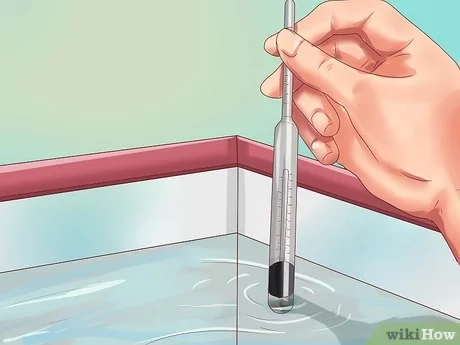
- Use an idrometer: A simple tool for estimating salinity in surface waters.
- Utilize a conductivity meter: Measures the electrical conductivity of water, which is directly related to its salinity.
- Employ a refractometer: Analyzes light refraction through water samples to calculate salinity.
Selecting the Right Tool
The choice of tool depends on your specific requirements:
- For small-scale measurements or monitoring, an idrometer or conductivity meter might suffice.
- When precise data is essential, consider using a refractometer specifically designed for aquatic applications.
- Conductivity meters are more accurate but may require calibration and training to operate effectively.
Tips and Considerations
When working with salinity measurement:
- Keep in mind that temperature can significantly affect conductivity readings. Ensure your equipment accounts for temperature fluctuations or calibrate it at standard conditions.
- Salinity can vary depending on factors like pH, nutrient levels, and organic matter content.
- Regular calibration of your equipment is crucial to maintain accuracy.
Conversion Tables
Here’s a handy table for converting between different units:
| PSU | ppt | ppm | |
|---|---|---|---|
| 35 | 35 | 35 | 35000 |
By understanding salinity measurement and choosing the right tool, you can gain valuable insights into water quality, marine life health, and agricultural productivity.
Applications of Salinity Measurement
Salinity measurement is not limited to aquatic applications. Its importance extends to various industries:
- Agriculture: Optimizing irrigation practices and crop yields by monitoring salinity levels in soil.
- Fisheries Management: Assessing the impact of salinity changes on fish populations and habitats.
- Water Supply Systems: Evaluating the suitability of water sources for human consumption, industrial use, or agricultural purposes.
Common Challenges
Despite its importance, salinity measurement can be affected by various factors:
- Temperature Variations: Conductivity measurements may be influenced by temperature changes in the water sample or measuring device.
- Interference from Other Solutes: Presence of other ions like calcium, magnesium, or bicarbonate can alter conductivity readings and affect salinity calculations.
- Equipment Calibration Issues: Incorrect calibration of equipment can lead to inaccurate results.
Best Practices
To ensure accurate salinity measurements:
- Calibrate your equipment at standard conditions before use.
- Use a high-quality conductivity meter with built-in temperature compensation.
- Consider using multiple measurement methods to validate results.
- Regularly maintain and calibrate equipment to prevent errors.
By understanding the principles of salinity measurement, choosing the right tool for the job, and following best practices, you can gain valuable insights into water quality, marine life health, and agricultural productivity.
Conclusion
Measuring salinity is a crucial step in understanding the chemical composition of water. By selecting the appropriate unit of measurement, method, or tool, you can gain accurate insights into aquatic ecosystems, monitor water quality, and optimize agricultural practices. Remember to consider temperature variations, interference from other solutes, and equipment calibration issues when working with salinity measurements.
FAQs
- What is salinity, and why is it important?
- How do I choose the best tool for measuring salinity?
- Can salinity be affected by other factors besides temperature?
- How accurate are refractometers in measuring salinity?
- What are some common applications of salinity measurement in various industries?


