
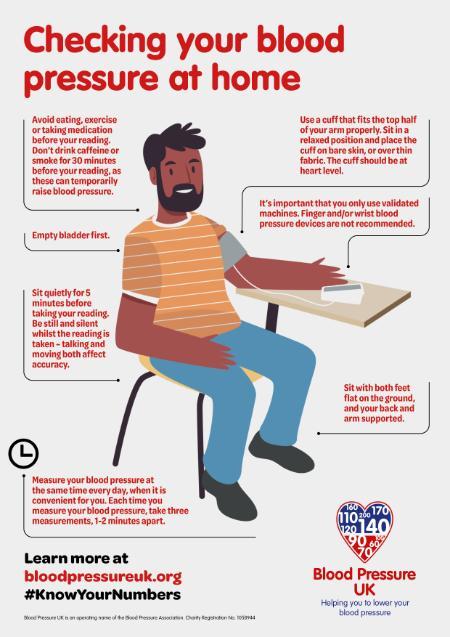
As we age, it’s essential to monitor our blood pressure to ensure our overall health and well-being. High blood pressure can lead to serious complications, including heart disease, stroke, and kidney damage. In this article, we’ll explore the best ways to measure blood pressure using manual sphygmomanometers, smartphones, and electronic devices.
Why Measure Blood Pressure?
Measuring blood pressure is crucial for individuals at risk of cardiovascular disease, especially those who are overweight or obese. Regular monitoring can help identify hypertension (high blood pressure) early on, allowing for timely treatment and prevention of complications. High blood pressure can also be a silent killer, often without symptoms until it’s too late.
Choosing the Right Device
When it comes to measuring blood pressure, there are several options available:
- Manual Sphygmomanometer: This is the most traditional method, where you wrap a cuff around your arm and listen with a stethoscope as the blood flows through the artery.
- Smartphone App: Many smartphone apps can measure blood pressure using a connected device or by sending data to an online server for analysis.
- Electronic Device: Electronic devices, such as the iHealth BP5, use wireless technology to transmit blood pressure data to your smartphone.
Tips for Accurate Blood Pressure Measurement
To ensure accurate results, follow these tips:
- Choose a quiet and comfortable location: Find a spot with minimal distractions and where you can relax.
- Avoid eating or drinking before measurement: Eating or drinking can affect blood pressure readings.
- Relax and avoid talking during the measurement process: Tension can lead to inaccurate readings.
- Keep the arm at heart level: This ensures that the cuff is wrapped around the correct part of your arm.
- Measure blood pressure in the morning after waking up: Blood pressure typically peaks in the late morning, so taking a reading after waking can provide more accurate results.
- Use both arms for measurements: If possible, measure both arms to ensure consistency and detect any differences.
How to Measure Blood Pressure with a Manual Sphygmomanometer
Here’s a step-by-step guide:
- Wrap the cuff around your arm, just above the elbow. Make sure it’s snug but not too tight.
- Place the stethoscope on your wrist and listen for the pulse.
- Inflate the cuff to about 20 mmHg higher than the normal blood pressure reading. This ensures that the cuff is inflated enough to measure both systolic and diastolic pressures.
- Release the cuff slowly while listening for the pulse with the stethoscope. You should hear a “bouncing” or “murmuring” sound, which indicates the flow of blood through the artery.
- Record the highest reading (systolic) first, followed by the lowest reading (diastolic).
- Repeat the process 2-3 times to ensure accuracy.
How to Measure Blood Pressure with a Smartphone App
Using a smartphone app, such as iHealth BP5, can be convenient and accurate. Here’s how:
- Download and install the app on your smartphone.
- Connect the device using Bluetooth or Wi-Fi.
- Place the cuff around your arm according to the app’s instructions.
- Take a reading within 10-15 minutes of connecting the device.
- Follow the app’s guidelines for recording readings, which may include taking multiple measurements and averaging them.
Understanding Blood Pressure Values
When interpreting blood pressure readings, keep in mind:
- Systolic pressure: The top number, indicating the maximum pressure during contraction (systole). A normal systolic pressure is typically less than 120 mmHg.
- Diastolic pressure: The bottom number, indicating the minimum pressure between heartbeats (diastole). A normal diastolic pressure is typically less than 80 mmHg.
Blood Pressure Categories
Understanding blood pressure categories can help you understand your risk level:
- Normal: Less than 120/80 mmHg
- Elevated: 120-129/80 mmHg
- Stage 1 Hypertension: 130-139/80-89 mmHg
- Stage 2 Hypertension: 140 or higher/90 or higher mmHg
Managing Blood Pressure
To maintain optimal blood pressure levels, consider the following lifestyle changes:
- Exercise regularly: Aim for at least 30 minutes of moderate-intensity exercise per day.
- Eat a balanced diet: Focus on whole, unprocessed foods like fruits, vegetables, and lean proteins.
- Maintain a healthy weight: Aim for a BMI between 18.5 and 24.9.
- Limit sodium intake: Consume no more than 2,300 milligrams per day.
- Monitor fluid intake: Avoid excessive alcohol and caffeine consumption.
Additional Tips
In addition to lifestyle changes, consider the following tips:
- Get enough sleep: Aim for 7-8 hours of sleep per night.
- Manage stress: Practice relaxation techniques like deep breathing or meditation.
- Avoid smoking: Smoking can damage blood vessels and increase blood pressure.
- Limit caffeine intake: Consume no more than 200 milligrams per day.
Conclusion
Measuring blood pressure is an essential aspect of maintaining cardiovascular health. By choosing the right device and following accurate measurement techniques, you can ensure reliable results. Remember to consult with your healthcare provider if you have any concerns about your blood pressure or overall health.
Frequently Asked Questions (FAQs)
- Q: Can I measure my blood pressure at home?
A: Yes, but make sure to follow proper technique and consult with your healthcare provider for guidance. - Q: How often should I measure my blood pressure?
A: Typically, once a day in the morning after waking up, or as recommended by your healthcare provider. - Q: Can smartphone apps accurately measure blood pressure?
A: Yes, many apps use Bluetooth or Wi-Fi technology to connect with devices that can provide accurate readings. - Q: What are the symptoms of high blood pressure?
A: Fatigue, dizziness, headaches, and shortness of breath may be indicative of hypertension. - Q: Can I treat high blood pressure at home?
A: While lifestyle changes can help manage blood pressure, consult with your healthcare provider for personalized treatment recommendations.
By following these guidelines and understanding the importance of measuring blood pressure, you can take control of your cardiovascular health and reduce the risk of complications. Remember to stay informed and seek medical attention if you have any concerns about your blood pressure or overall health.


