
The Art of Marinating: A Guide to Cooking with Flavor
Marinading is a cooking technique that’s often misunderstood. Many people think it’s a complex process reserved for professional chefs, but the truth is, anyone can learn to marinade and reap the benefits of this flavorful approach to cooking.
So, what exactly is marinading? It’s a precise method for preparing certain foods, often called cold-cooking or a “dry-brining” technique. This process involves applying a mixture of ingredients to food to enhance its flavor and texture. Whether you’re working with vegetables, meat, poultry, or fish, marinading can add depth and complexity to your dishes.
What Can Be Marinated?
The possibilities are endless! For vegetables, popular choices include zucchini, cucumbers, bell peppers, and eggplant. When it comes to meat, options range from game meats like wild boar and venison to long cuts of beef and pork. Fish is also a great candidate for marinading, with species like salmon, mackerel, and sardines doing particularly well.
The Importance of Marinade Ingredients
To get the most out of your marinating experience, it’s crucial to choose the right ingredients. The base of your marinade can be acidic (such as vinegar or lemon juice), sweet (like honey or sugar), salty (with salt or soy sauce), or a combination of these elements.
For example, a classic marinade for beef might include red wine and apple cider vinegar, while a fish-friendly blend could feature lemon juice and olive oil. Feel free to experiment with different flavor profiles to find what works best for you!
Marinating Essentials: Tools and Techniques
To get started, you’ll need a few basic tools:
- A container that can hold the marinade (stainless steel or glass are great options)
- A acidic ingredient like lemon juice or vinegar
- An oil-based ingredient like olive or avocado oil
When it comes to preparing your ingredients for marinating, be sure to choose fresh and high-quality products. For vegetables, slice or chop them into manageable pieces. For meat, trim any excess fat and season with salt.
Marinating Vegetables
Vegetables are a great place to start when learning about marinading! Here’s how to prepare your favorite veggies for this flavorful technique:
- Select the right ingredients: Zucchini, cucumbers, bell peppers, and eggplant make great candidates for marinating.
- Prepare the marinade: Combine acidic ingredients like lemon juice or vinegar with sweet elements like honey or sugar, and a pinch of salt.
- Assemble the marinade: Add oil-based ingredients to enhance flavor.
- Marinate your veggies: Place the vegetables in the marinade, making sure they’re fully coated.
- Chill and wait: Refrigerate the marinating mixture for at least a few hours or overnight.
Marinating Meat
When it comes to meat, the process is similar:
- Choose the right cut: Opt for lean cuts of beef, pork, or game meats like wild boar.
- Prepare the marinade: Combine acidic ingredients with sweet elements and a pinch of salt.
- Assemble the marinade: Add oil-based ingredients to enhance flavor.
- Marinate your meat: Place the meat in the marinade, making sure it’s fully coated.
- Chill and wait: Refrigerate the marinating mixture for at least a few hours or overnight.
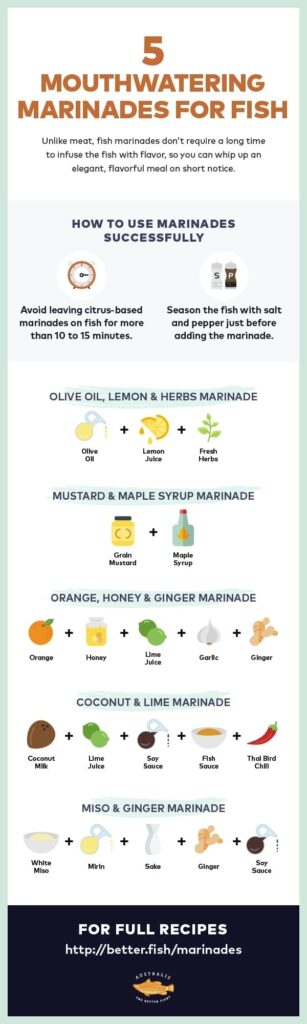
Marinating Fish
Fish is another great candidate for this flavorful technique:
- Select the right species: Opt for fish like salmon, mackerel, or sardines.
- Prepare the marinade: Combine acidic ingredients with sweet elements and a pinch of salt.
- Assemble the marinade: Add oil-based ingredients to enhance flavor.
- Marinate your fish: Place the fish in the marinade, making sure it’s fully coated.
- Chill and wait: Refrigerate the marinating mixture for at least a few hours or overnight.
The Benefits of Marinading
So, why bother with marinading? Here are just a few compelling reasons:
- Flavor enhancement: Marinades can add depth and complexity to your dishes
- Tenderization: Acidic ingredients in marinades can help break down proteins, making meat more tender
- Safety: Marinades can help reduce the risk of foodborne illness by creating an acidic environment that inhibits bacterial growth
Frequently Asked Questions
- Can I marinate vegetables all at once?
- Yes! Simply combine your favorite vegetables in a single container and marinate them together.
- How long can I marinate meat?
- Always follow the recommended marinating time for each type of meat to ensure food safety and quality.
- What’s the best way to store marinades?
- Store marinades in airtight containers in the refrigerator to prevent spoilage.
Conclusion
Marinading is a powerful cooking technique that can elevate your dishes from ordinary to extraordinary. By understanding the basics of marinading and experimenting with different ingredients and techniques, you’ll be well on your way to becoming a master chef! Whether you’re looking to add flavor to vegetables, meat, or fish, marinading is a simple yet effective way to take your cooking to the next level.


