
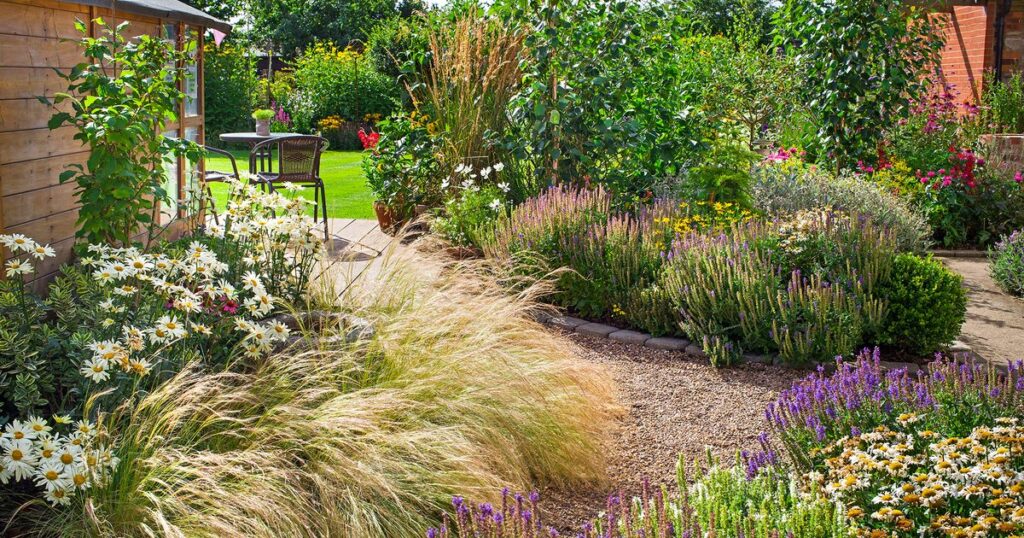
As gardeners, we all know that a well-organized garden is not only aesthetically pleasing but also helps to keep pests and diseases at bay. One way to achieve this is by creating separate aisles or beds for different plants, known as “borders” or “edges”. In this article, we’ll explore the importance of managing aisles in your garden and provide tips on how to do it effectively.
The Benefits of Managing Aisles
Managing aisles in your garden has several benefits. Firstly, it helps to prevent pests and diseases from spreading quickly by isolating affected plants. This is particularly important for vegetables and fruits that are susceptible to pests and diseases. Secondly, it allows you to rotate crops seasonally, which helps to maintain soil health and reduce the risk of pests and diseases building up resistance.
Methods of Delimiting Aisles
There are several methods of delimitating aisles in your garden, both natural and artificial. Natural methods include using rocks, logs, or plants with low growth habits to create a boundary between different areas. Artificial methods involve using materials such as wood, metal, or plastic to create a physical barrier.
Some popular natural border options include:
- Using rocks or gravel to create a clear distinction between different areas
- Planting low-growing shrubs or groundcovers to form a barrier
- Utilizing existing vegetation, such as tall grasses or wildflowers
On the other hand, artificial borders can be more effective, especially for larger gardens. Some popular options include:
- Wooden boards or pallets
- Metal edging or fencing
- Plastic or vinyl borders
Tips for Effective Aisle Management
Effective aisle management requires careful planning and execution. Here are some tips to help you create a well-organized garden with separate aisles:
- Assess Your Garden: Start by assessing your garden’s layout, soil type, and existing vegetation. This will help you determine the best location for each aisle and plan your design accordingly.
- Plan Your Aisles: Once you’ve assessed your garden, create a detailed plan for your aisles. Consider factors such as plant size, growth habits, and sunlight requirements to ensure that each aisle is well-suited to its occupants.
- Use a Variety of Plants: To maintain soil health and prevent pests and diseases from building up resistance, use a variety of plants in each aisle. This can include vegetables, fruits, flowers, herbs, and grasses.
- Keep Aisles Wide Enough: Make sure that your aisles are wide enough to accommodate the mature size of the plants you’ve chosen for them. This will help prevent overcrowding and promote healthy growth.
- Consider Seasonal Rotation: To maintain soil health and reduce the risk of pests and diseases building up resistance, consider rotating crops seasonally within each aisle.
Benefits of Seasonal Rotation
Seasonal rotation is a key component of effective aisle management. By rotating crops seasonally, you can:
- Maintain soil health by introducing new nutrients with each crop
- Reduce the risk of pests and diseases building up resistance
- Promote biodiversity by growing a variety of plants in each aisle
Common Challenges to Aisle Management
While managing aisles in your garden can be beneficial, there are also some common challenges to consider. Here are a few:
- Difficulty Creating Barriers: If you’re using natural borders, it may be challenging to create clear boundaries between different areas of the garden.
- Soil Compaction: Artificial borders can lead to soil compaction if they’re not installed properly.
- Maintenance Requirements: Aisles require regular maintenance to keep them looking their best.
By understanding the benefits and challenges of managing aisles in your garden, you can create a well-organized and thriving outdoor space that meets your needs and provides a haven for plants and wildlife.


