
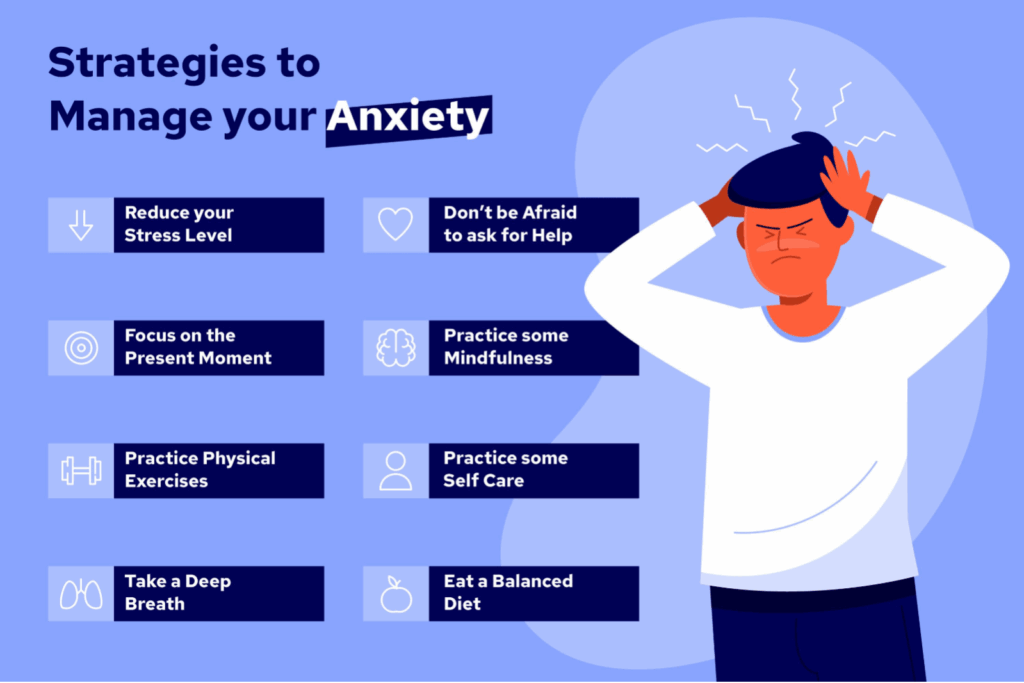
As we navigate through life, waiting for various outcomes can be a daunting experience. Whether it’s the weekend, a social event, or an important decision, our minds can get caught up in anticipation, leading to anxiety and stress. In this article, we’ll explore practical tips on managing expectations to help you overcome anxiety and stay present.
What is Anxiety?
Anxiety is a common phenomenon that affects us all at some point in our lives. It’s characterized by feelings of apprehension, worry, or fear about the future or unknown events. When we’re anxious, our minds can get stuck on worst-case scenarios, making it difficult to enjoy the present moment.
Recognizing Anxiety Triggers
Anxiety can be triggered by various factors, including:
- Uncertainty about the outcome of a situation
- Fear of failure or rejection
- Pressure to perform or meet expectations
- Unpredictable events or changes
Identifying your personal anxiety triggers is crucial in managing expectations. Take time to reflect on your experiences and observe patterns that may be contributing to your anxiety.
Assessing Your Readiness
Before making a decision, take time to assess whether you’re truly ready for the outcome. Ask yourself:
- How would I feel if I didn’t get the outcome I desired?
- Would I be disappointed or relieved?
Understanding your emotions and thoughts will help you make a more informed decision. Consider seeking advice from trusted friends, family members, or professionals to gain new perspectives.
Coping with Anxiety
While anxiety can be overwhelming, there are strategies to cope with it. Here are some practical tips:
Physical Relaxation Techniques
- Deep breathing exercises
- Progressive muscle relaxation
- Meditation or mindfulness practices
These techniques can help calm your mind and body, reducing anxiety. Experiment with different methods to find what works best for you.
Creative Expression
- Music: Listen to soothing music or try sound healing
- Art: Engage in creative activities like painting, drawing, or crafting
- Writing: Journaling or writing poetry can be therapeutic
Expressing yourself creatively can help distract you from anxious thoughts and emotions. Try new activities or revisit old favorites to find what brings you joy.
Practical Advice
- Break down large tasks into smaller, manageable steps
- Set realistic expectations for yourself and others
- Focus on the present moment, rather than worrying about the future
By implementing these strategies, you’ll be better equipped to manage anxiety and stay focused on what matters most. Prioritize self-care and make time for activities that nourish your mind, body, and soul.
Additional Tools and Resources
While medication or therapy may not be necessary, there are alternative tools to help you cope with anxiety:
Mindfulness Apps
- Headspace
- Calm
- Insight Timer
These apps offer guided meditations and relaxation techniques to help you stay centered. Explore different features and find what resonates with you.
Anxiety-Friendly Books
- “The Anxiety and Worry Workbook” by David A. Clark
- “Daring Greatly: How the Courage to Be Vulnerable Transforms the Way We Live, Love, Parent, and Lead” by Brené Brown
Reading books on anxiety can provide valuable insights and coping strategies. Find authors whose writing resonates with you and explore their work.
Conclusion
Managing expectations is a crucial step in overcoming anxiety. By recognizing your triggers, assessing your readiness, and using practical techniques like physical relaxation, creative expression, and mindfulness, you’ll be better equipped to navigate uncertain situations with confidence. Remember that everyone’s journey is unique, so it’s essential to find what works best for you.
Frequently Asked Questions (FAQs)
Q: What are some common anxiety triggers?
A: Common anxiety triggers include uncertainty about outcomes, fear of failure or rejection, pressure to perform, and unpredictable events or changes.
Q: How can I manage my anxiety when faced with a difficult decision?
A: Assess your readiness for the outcome by asking yourself how you’d feel if you didn’t get the desired result. Consider alternative perspectives and focus on the present moment.
Q: What are some effective physical relaxation techniques for managing anxiety?
A: Deep breathing exercises, progressive muscle relaxation, meditation, or mindfulness practices can help calm your mind and body.
Q: Can creative expression help manage anxiety?
A: Yes, engaging in creative activities like music, art, or writing can be therapeutic and distract you from anxious thoughts and emotions.
Q: Are there any alternative tools to traditional therapy for managing anxiety?
A: Mindfulness apps, anxiety-friendly books, and online resources can provide additional support and coping strategies. Explore different options to find what works best for you.
By understanding your triggers, assessing your readiness, and using practical techniques, you’ll be better equipped to manage anxiety and stay present in the face of uncertainty.


