
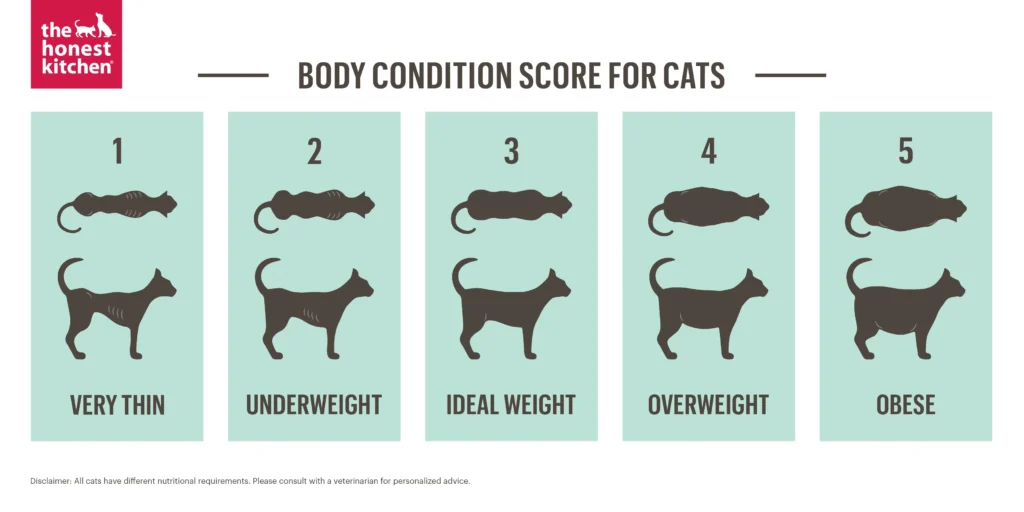
As we read the title “How to Lose Weight in Cats,” some people might think that with the arrival of summer, we’ve gone crazy and want not only to diet ourselves but also have our cats lose weight for aesthetic reasons. But it’s not like that. There are situations beyond the alternating seasons where it’s necessary to intervene in your cat’s diet because too many belly fat rotolets aren’t doing them any good. Nothing beats their appearance, even if obese cats can be fascinating, but it’s a matter of health.
After this introduction, we must say that Losing weight in cats without making them suffer and not making us hate them is possible. It may require some patience, persistence, and creativity, but the rewards are well worth it. In this article, we’ll explore the key factors to consider when helping your feline friend reach a healthy weight.
What is Feline Obesity?
Feline obesity is a growing concern in the veterinary community, with studies suggesting that up to 50% of adult cats are overweight or obese. This condition can lead to a range of serious health problems, including diabetes, arthritis, and heart disease. As you may know, domestic cats have few opportunities to exercise, which makes them more prone to obesity.
A little boredom, like it happens for humans, can lead to eating more. Obesity is linked to diabetes in humans has increased dramatically. Cats are also naturally a bit gluttonous. It depends on their character, I’ve had a rather picky cat that needed convincing every time, but it’s much more common the greedy type that devours all treats or snack packs.
If we have an obese cat at home, therefore, we must determine if it’s not a disease that needs to be addressed by the veterinarian, and if it’s not, then let’s get organized. We need to intervene both on the quantity of food and the type of feed, exercise, and education.
How to Lose Weight in Cats: Food
Have you ever noticed how much your cat eats? Croquettes included? If we use canned food, probably so, but then snacks like croquettes or extras can be the one that fogs us. Let’s make a step back and take note that cats, like dogs, need to eat a certain amount of food based on their weight.
There are no significant differences between various breeds, but it doesn’t mean we shouldn’t pay attention. We should ask the veterinarian to weigh our cat and follow tables created by professionals without leaving anything to chance. These tables will provide us with guidelines for calculating the ideal amount of food for our feline friend based on their age, weight, and activity level.
In addition to quantity, also quality matters. There are different opinions even about this, sometimes in contrast with each other. Some believe that homemade food is healthier, while others think canned food is more balanced. In reality, the choice often depends on how much time we have available, I wouldn’t be able to cook for my two cats regularly and I trust caned food, trying to choose the most balanced possible ones.
We must pay attention that between dry food and wet food, always with a label, dosages change because they have different energetic contributions. For example, canned food often contains more moisture than dry food, which means it provides fewer calories per serving.
How to Lose Weight in Cats: Exercise
Cats on leashes or playing at a park are not like dogs – unless some exceptions that allow leashing are mentioned – we cannot take them as if they were. We must find another way to make our feline friend move. Let’s try to play with fake prey, spend time with him, and relax together.
Cats are animals that need to be stimulated, curious, and sometimes difficult to convince, so we have to get creative. We can also try using puzzle toys filled with treats to keep our cat engaged and active. These types of toys challenge our cat’s problem-solving skills and encourage them to work for their rewards.
In addition to playtime, we should also consider incorporating physical activity into our cat’s daily routine. For example, we can try using a harness and leash to take our cat for short walks around the house or yard. This can be especially helpful for cats that are prone to obesity due to lack of mobility.
How to Lose Weight in Cats: Discipline
As all cat owners know, these cats have a great ability to insist on getting what they want. They’re among the most determined and stubborn, not giving up. So if they want to eat, they’ll ask for croquettes meowing until we make their life impossible and scratch our doors or kitchen cabinets until they destroy them.
Here’s where we show firmness without being cruel and making them understand that we’re not easily swayed. It’s time to impose ourselves, without being heartless but making them see that they can’t get more food than what’s allowed. Educating your cat isn’t easy, but we can do it with a few tricks and patience.
One effective way to discipline our cat is by using positive reinforcement training. This type of training encourages good behavior by rewarding our cat with treats and praise when they exhibit the desired behavior. For example, if our cat is eager to jump up onto the kitchen counter, we can train them to stay off by placing a treat on the floor next to the counter and encouraging them to work for it.
How to Lose Weight in Cats: Mood
Obese cats, like human dieters, are not bursting with joy. It’s a fact, especially in the early stages. To show our feline friends that we’re not punishing them and that we don’t have anything against them, spend time with them. Give lots of cuddles – kisses aren’t fattening.
Cuddling and playtime can help to reduce stress and anxiety in obese cats, which is essential for their overall well-being. Additionally, spending quality time with our cat can help to strengthen the bond between us and our feline friend, making it easier to implement changes in their diet and exercise routine.
Conclusion
Losing weight in cats requires patience, persistence, and creativity, but the rewards are well worth it. By understanding the key factors that contribute to feline obesity, including food quantity and quality, exercise, discipline, and mood, we can help our cat achieve a healthy weight.
Remember to consult with your veterinarian before making any changes to your cat’s diet or exercise routine. They can provide personalized guidance and recommendations based on your cat’s specific needs and health status.
By working together with your veterinarian and implementing these tips, you can help your feline friend reach a healthy weight and enjoy a happier, healthier life.


