
As a vegan, it can be challenging to find alternatives to traditional mayonnaise that don’t compromise on taste and texture. Traditional mayonnaise is made with egg yolks, which are a no-go for vegans. However, there’s good news – creating vegan mayo is easier than you think!
In this article, we’ll explore how to make vegan mayo from scratch using just a few simple ingredients. We’ll also cover some helpful tips and tricks to ensure that your vegan mayo turns out smooth and creamy.
What Makes Vegan Mayo Special?
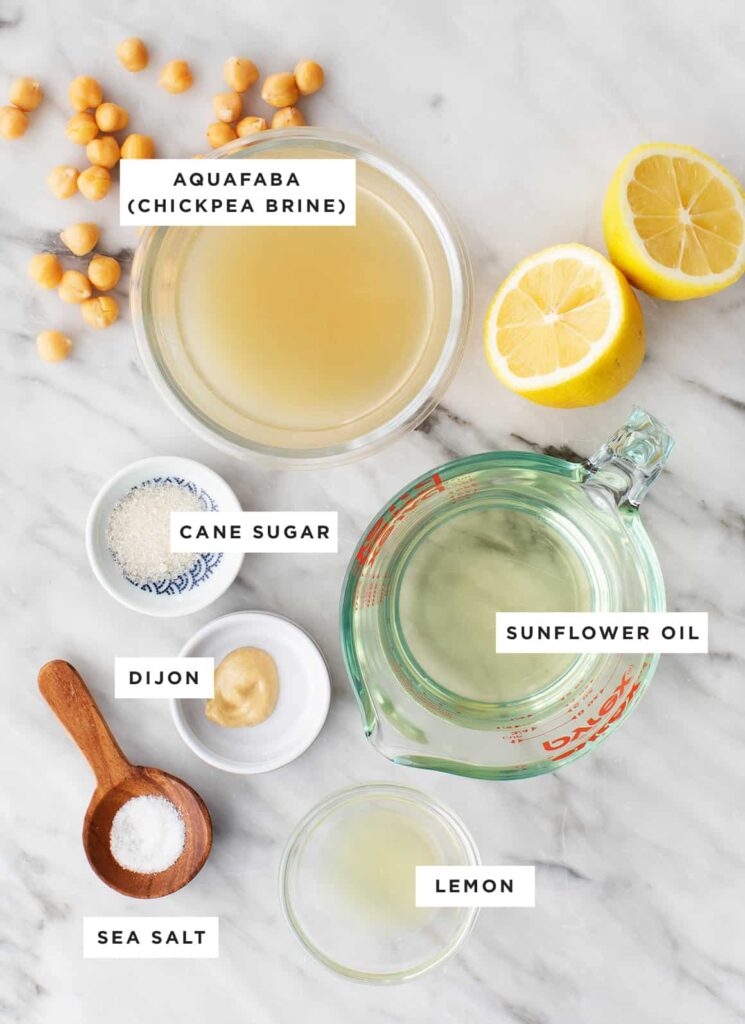
Vegan mayo is made with plant-based ingredients such as soy milk or other non-dairy milks, oil, lemon juice, apple cider vinegar, Dijon mustard, turmeric, and salt. These ingredients work together to create a rich, creamy sauce that’s perfect for using as a condiment or in cooking.
The Benefits of Vegan Mayo
- Egg-free: Perfect for vegans who are looking for an alternative to traditional mayonnaise.
- Nutrient-rich: Made with plant-based ingredients, vegan mayo is a healthier option than traditional mayonnaise.
- Versatile: Can be used as a condiment, in cooking, or as a base for dips and sauces.
Creating Vegan Mayo: The Process
Making vegan mayo from scratch requires just a few simple steps:
- Combine the liquid ingredients: In a blender or food processor, combine soy milk, lemon juice, apple cider vinegar, Dijon mustard, turmeric, and salt.
- Slowly add the oil: While blending the mixture, slowly pour in the oil through the top of the blender or food processor.
- Emulsify: Continue blending until the mixture thickens and emulsifies.
Tips for Making Perfect Vegan Mayo
- Use the right oil: Choose a high-quality oil with a neutral flavor that won’t overpower the other ingredients.
- Add slowly: Adding the oil slowly is key to creating a smooth, creamy sauce.
- Blend carefully: Be careful not to over-blend the mixture, as this can result in a separated or grainy texture.
Variations and Flavor Options
Vegan mayo can be flavored and varied in many ways:
- Garlic flavor: Add minced garlic to the liquid ingredients for an extra depth of flavor.
- Indian-inspired flavor: Add curry powder or garam masala to create a flavorful Indian-style sauce.
- Homemade Dijon mustard: Make your own Dijon mustard using whole-grain mustard seeds and lemon juice.
Nutritional Information: Vegan Mayo vs. Traditional Mayo
While vegan mayo may not be as calorie-free as some other options, it still offers many health benefits:
- Low in calories: Compared to traditional mayonnaise, vegan mayo is relatively low in calories.
- High in protein: Many plant-based milks used in vegan mayo are high in protein.
The Science Behind Vegan Mayo
Vegan mayo works by combining the properties of oil and water. The liquid ingredients in vegan mayo, such as soy milk or non-dairy milk, contain emulsifiers that help to stabilize the mixture and create a smooth texture. When the oil is added slowly, it helps to create an emulsion that’s similar to traditional mayonnaise.
Common Mistakes to Avoid
- Adding too much oil: Adding too much oil can result in a separated or grainy texture.
- Not blending carefully: Over-blending can also result in a grainy or separated texture.
- Using low-quality ingredients: Using low-quality ingredients can affect the flavor and texture of your vegan mayo.
Conclusion
Creating vegan mayo from scratch is a simple and rewarding process that requires just a few ingredients. With these easy steps and helpful tips, you’ll be well on your way to creating delicious, creamy sauces that will elevate any dish.
Frequently Asked Questions (FAQs)
Q: Is vegan mayo suitable for all diets?
A: Vegan mayo is not suitable for everyone, particularly those with gluten intolerance or other dietary restrictions. Always check the ingredients and labels before consuming.
Q: Can I make vegan mayo ahead of time?
A: Yes, you can make vegan mayo ahead of time, but it’s best to store it in an airtight container in the refrigerator for up to 5 days.
Q: Is vegan mayo suitable for infants and young children?
A: No, vegan mayo is not suitable for infants and young children due to potential allergens and choking hazards. Always consult with a healthcare professional before introducing new foods to your child’s diet.
Q: Can I make vegan mayo without soy milk?
A: Yes, you can make vegan mayo using other non-dairy milks such as almond milk or coconut milk.
Q: Is vegan mayo high in calories?
A: No, vegan mayo is relatively low in calories compared to traditional mayonnaise. However, it’s essential to consume it in moderation as part of a balanced diet.
Q: Can I use vegan mayo for cooking and baking?
A: Yes, vegan mayo can be used for cooking and baking, particularly when making sauces, dips, and dressings.
Q: Is vegan mayo suitable for people with egg allergies?
A: Absolutely! Vegan mayo is a great alternative to traditional mayonnaise for those with egg allergies or intolerances.


