
Tzatziki sauce is a classic Greek condiment that has gained worldwide popularity, with its versatility in pairing with various dishes, from meats and fish to salads and rice. While it’s easily found in supermarkets, making tzatziki from scratch is a breeze, and we’re here to guide you through the process.
What is Tzatziki Sauce?
Tzatziki sauce is a refreshing yogurt-based sauce originating from Greece, typically served as an appetizer or side dish. Its name comes from the Turkish word “çacık,” which means “yogurt sauce.” This condiment has become a staple in many cuisines worldwide, with creative variations and interpretations.
Why Make Tzatziki at Home?
Making tzatziki at home allows you to control the ingredients, customize flavors, and enjoy the benefits of fresh, high-quality components. You can also experiment with different herbs and spices to create unique twists on this classic recipe.
Ingredients: A Closer Look
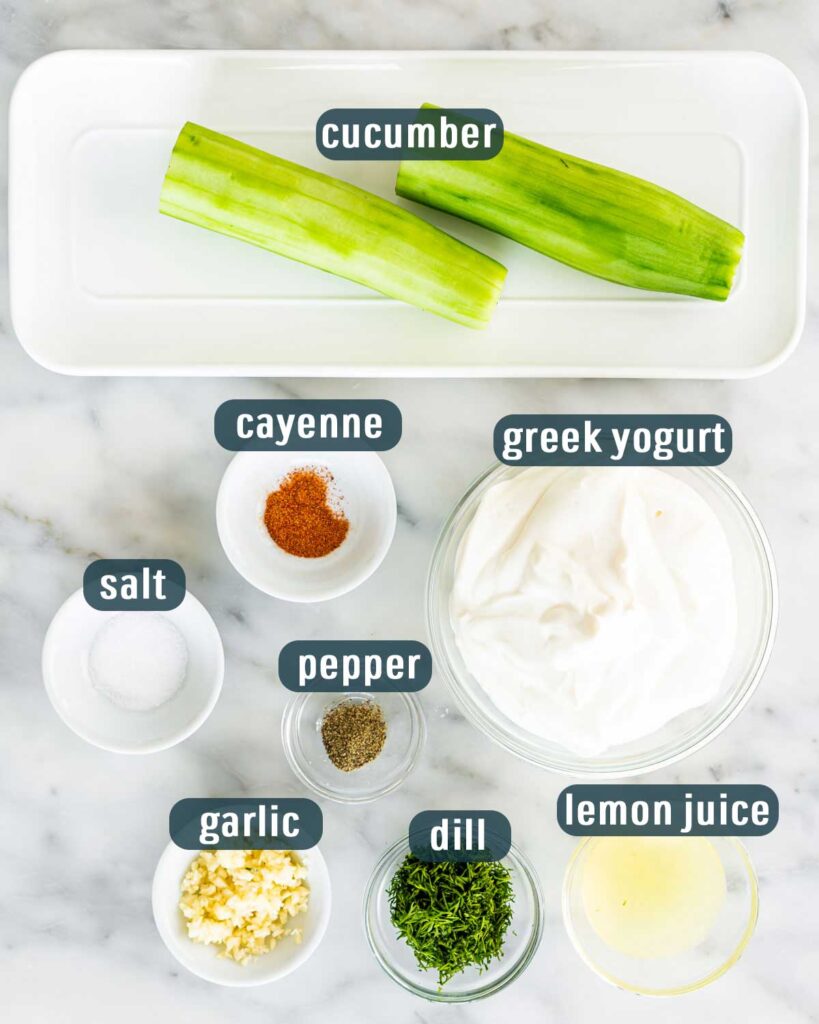
To make traditional tzatziki sauce, you’ll need:
- 500g Greek yogurt
- 1 large cucumber (about 4-5 inches)
- 4 cloves of garlic, minced
- 4 tablespoons olive oil
- 2 tablespoons white vinegar or lemon juice
- Fresh dill or anise seeds for garnish
- Salt to taste
Preparing the Cucumber
Before starting, make sure to wash and peel your cucumber. Use a mandoline or sharp knife to create thin slices.
Next, place the cucumber slices in a colander lined with cheesecloth or a fine-mesh strainer. Weigh down the cheesecloth with a plate or heavy object to extract excess moisture.
The Sauce: A Step-by-Step Guide
After an hour, discard the liquid and rinse the grated cucumber under cold running water. Pat it dry with paper towels to remove any remaining moisture.
In a large bowl, combine the yogurt, cucumber, garlic, olive oil, vinegar or lemon juice, salt, and fresh dill or anise seeds. Mix well until all ingredients are fully incorporated.
Tips and Variations
- For a lighter sauce, use Greek yogurt magro naturale (reduced-fat) instead of traditional Greek yogurt.
- Experiment with different herbs like prezzemolo (parsley), menta (mint), or basil to create unique flavor profiles.
- Serve tzatziki as a dip for pita bread, crackers, or vegetables.
- Use it as a topping for grilled meats, fish, or salads.
Storing Tzatziki Sauce
Tzatziki sauce is best consumed fresh but can be stored in the refrigerator for up to 3-4 days. Cover it with a thin layer of olive oil to prevent oxidation and keep it fresh.
Bonus Recipe: Zuppa alla Salsa Tzatziki
Create a delicious soup by blending cooked rice, yogurt, cucumber, garlic, mint, salt, and pepper. This refreshing twist on tzatziki is perfect for a warm evening or as a palate cleanser between courses.
Related Content
Discover the fascinating world of wasabi and its health benefits.
Explore the world of raw food: what it is and its advantages for your well-being.
Frequently Asked Questions (FAQs)
Q: What type of yogurt should I use to make tzatziki sauce?
A: Traditional Greek yogurt is ideal, but you can also experiment with reduced-fat or other types of yogurt.
Q: Can I make tzatziki sauce without garlic?
A: Yes, simply omit the garlic or substitute it with a mild flavor like onion powder.
Q: How do I store tzatziki sauce to keep it fresh?
A: Store it in an airtight container covered with olive oil and refrigerate for up to 3-4 days.
Q: Can I use cucumber juice instead of grating the cucumber?
A: Yes, but be aware that this may result in a slightly sweeter flavor.
Q: How do I create a creamy tzatziki sauce without yogurt?
A: You can experiment with adding other dairy products like sour cream or cottage cheese to achieve the desired texture.
Q: Can I make tzatziki sauce ahead of time?
A: Yes, but be sure to store it in the refrigerator until ready to serve.
Common Mistakes to Avoid
- Over- grating the cucumber, which can result in an unpleasantly thick consistency.
- Using low-quality yogurt that is high in sugar or artificial ingredients.
- Not adjusting the amount of garlic to your taste, as some people may find it too strong.
- Serving tzatziki at room temperature, which can cause it to spoil quickly.
Conclusion
Making tzatziki sauce at home is a simple and rewarding process that allows you to control the ingredients and customize the flavors. With this guide, you’ll be able to create delicious and refreshing tzatziki sauces for your favorite dishes. So go ahead, give it a try, and enjoy the delightful world of Greek cuisine!
Tzatziki Sauce Variations
Experiment with different herbs and spices to create unique flavor profiles:
- Dill and Lemon: Add some fresh dill and lemon juice to create a bright and citrusy tzatziki sauce.
- Garlic and Parsley: Use more garlic and add some chopped parsley for a robust and herbaceous taste.
- Mint and Cucumber: Blend in some fresh mint leaves and cucumber slices for a refreshing twist on classic tzatziki.
Tips for Using Tzatziki Sauce
Tzatziki sauce is incredibly versatile, so here are some ideas to get you started:
- Grilled Meats: Use tzatziki as a topping for grilled meats like lamb or chicken.
- Salads: Add it to salads for a tangy and creamy dressing.
- Veggie Sticks: Serve it with veggie sticks for a healthy snack.
- Bread Dipping: Dip pita bread, crackers, or crostini into the delicious sauce.
Making Tzatziki Sauce Ahead of Time
While tzatziki sauce is best consumed fresh, you can also make it ahead of time. Here are some tips:
- Store it in an airtight container covered with olive oil.
- Refrigerate for up to 3-4 days before serving.
- Allow it to come to room temperature before serving.
Making Tzatziki Sauce with Different Types of Yogurt
Feel free to experiment with different types of yogurt to create unique flavor profiles:
- Greek Yogurt: Traditional Greek yogurt is the best choice, but you can also use reduced-fat or non-fat options.
- Icelandic Yogurt: Icelandic yogurt has a thicker consistency and a tangier taste than traditional Greek yogurt.
- Goat’s Milk Yogurt: Goat’s milk yogurt adds a creamy texture and a slightly sweet flavor to tzatziki sauce.
Tzatziki Sauce and Health
While tzatziki sauce is delicious, it can also be a healthy addition to your diet. Here are some benefits:
- Probiotics: Greek yogurt contains probiotics that support gut health.
- Calcium: Yogurt is an excellent source of calcium, which supports bone health.
- Antioxidants: Cucumbers contain antioxidants that help protect against cell damage.
Conclusion
Making tzatziki sauce at home is a simple and rewarding process that allows you to control the ingredients and customize the flavors. With this guide, you’ll be able to create delicious and refreshing tzatziki sauces for your favorite dishes. So go ahead, give it a try, and enjoy the delightful world of Greek cuisine!


