
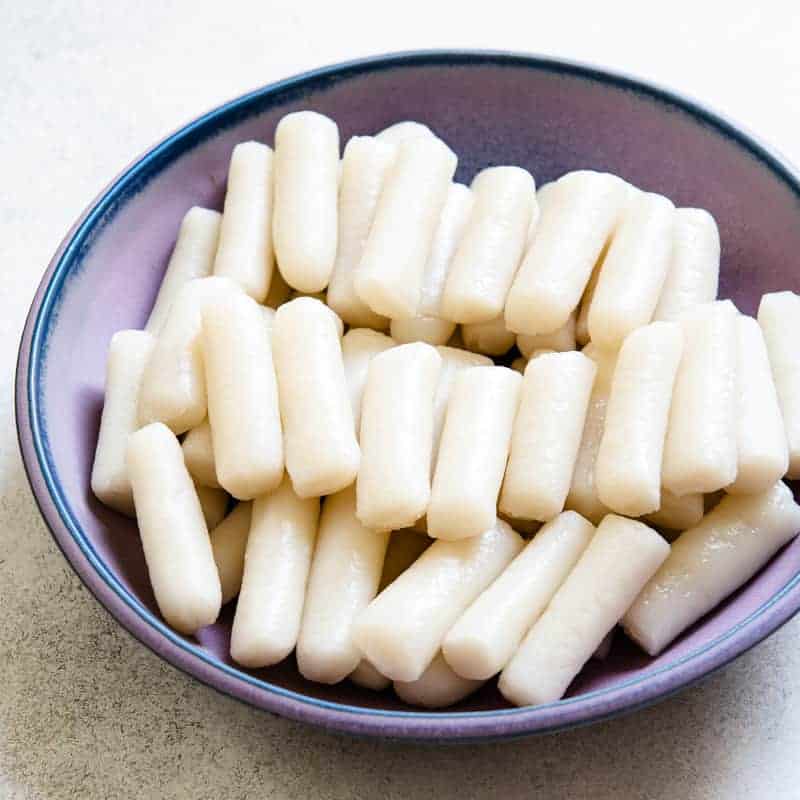
Making rice cakes is a simple process that requires just a few ingredients. These delicious treats are not only a great source of energy, but they’re also gluten-free, lieve (unleavened), and low in fat and sugar. In this article, we’ll show you how to make traditional and enriched rice cakes at home.
What Are Rice Cakes?
Rice cakes are a type of snack that originated in East Asia. They’re made from rice flour and water, and can be seasoned with various ingredients such as sesame seeds, quinoa, millet, or other grains. These cakes are perfect for snacking on the go, and they’re also a great alternative to traditional bread.
History of Rice Cakes
Rice cakes have been a staple food in many Asian cultures for centuries. In Japan, rice cakes were used as an offering to the gods, while in Korea, they were served at special occasions such as weddings and New Year’s celebrations. In China, rice cakes were made from glutinous rice flour and water, and were often served with sweet fillings such as red bean paste or lotus seed paste.
Why Make Rice Cakes at Home?
Making rice cakes at home is easier than you think. By using simple ingredients and following our recipe, you can create delicious and nutritious treats that are tailored to your taste preferences. Plus, by making them yourself, you’ll avoid any unwanted additives or preservatives found in commercial products.
Benefits of Rice Cakes
Rice cakes offer several health benefits, including:
• Gluten-free: Perfect for those with gluten intolerance or celiac disease
• Low in fat and sugar: A great option for those watching their diet
• High in fiber: Supports digestive health and satiety
• Versatile: Can be seasoned with various ingredients to enhance flavor
Types of Rice Cakes
There are several types of rice cakes, each with its own unique characteristics and uses. Some popular types include:
- Traditional rice cakes: Made from plain rice flour and water, these cakes are simple in taste and texture.
- Enriched rice cakes: These cakes are made with additional ingredients such as sesame seeds, quinoa, or millet, which add flavor and nutrition to the traditional recipe.
- Sweet rice cakes: These cakes are made with sweetened rice flour and fillings such as red bean paste or lotus seed paste.
Basic Rice Cake Recipe
Here’s a simple recipe to get you started:
Ingredients:
- 300g rice flour
- 120g rice flour (optional)
- 4 tablespoons oil seeds
- 2 cups soy milk
- Optional ingredients:
- Sesame seeds
- Quinoa
- Millet
- Sunflower seeds
Step-by-Step Instructions
To make traditional rice cakes, follow these steps:
- Mix dry ingredients: Combine rice flour (both regular and optional) in a bowl.
- Add oil and soy milk: Gradually add oil and soy milk to the dry mixture, stirring until combined.
- Knead the dough: Knead the dough for about 10 minutes until it becomes smooth and pliable.
- Rest the dough: Let the dough rest for 30 minutes.
- Roll out the dough: Roll out the dough into a thin sheet (about 1/2 inch thick).
- Cut out shapes: Use a cookie cutter or a glass to cut out shapes from the dough.
- Bake: Bake the cakes in a preheated oven at 180°C for about 20-25 minutes, or until golden brown.
Tips and Variations
To make personalized rice cakes, try adding different ingredients to your dough. Some popular options include:
• Sesame seeds
• Quinoa
• Millet
• Sunflower seeds
When adding ingredients, be sure to do so before the dough rests. Also, keep an eye on the baking time, as enriched cakes may require shorter cooking times.
Conclusion
Making rice cakes at home is a simple and rewarding process that allows you to control the ingredients and create delicious treats tailored to your taste preferences. With our basic recipe and tips for personalization, you’re ready to start making your own rice cakes!
FAQs
- What type of flour should I use?
Use either regular or brown rice flour as a base. - Can I use other grains instead of quinoa?
Yes, try using millet, sunflower seeds, or other grains for added texture and flavor. - How do I keep my rice cakes fresh?
Store your rice cakes in an airtight container at room temperature for up to 5 days. - Can I freeze my rice cakes?
Yes, you can freeze them for up to 2 months. Simply thaw frozen cakes when needed. - Are rice cakes suitable for vegans?
Yes, traditional rice cakes are vegan-friendly, but be sure to check the ingredients of any additional seasonings or toppings used. - Can I make rice cakes in a toaster oven?
Yes, use a toaster oven at 180°C for about 15-20 minutes, or until golden brown. - How do I know when my rice cakes are done?
Check if they’re lightly toasted and crispy around the edges. - Can I add other ingredients to my dough?
Feel free to experiment with different spices, herbs, or sweeteners to create unique flavor combinations!
Common Issues
When making rice cakes at home, you may encounter some common issues such as:
• Dough too sticky: Add a bit more flour and knead for longer to achieve the right consistency.
• Dough too dry: Add a bit more oil or soy milk to achieve the right consistency.
• Cakes not crispy enough: Try baking them for a shorter time or increasing the oven temperature.
Nutrition Information
Here is an approximate nutrition breakdown of traditional rice cakes:
- Calories: 120 per cake
- Fat: 0.5g per cake
- Carbohydrates: 25g per cake
- Fiber: 1g per cake
- Protein: 2g per cake
Keep in mind that nutritional values may vary depending on the ingredients used and portion sizes.
Using Rice Cakes as a Base
Rice cakes can be used as a base for various toppings such as:
• Spreads: Try using peanut butter, almond butter, or sunflower seed butter.
• Fruits: Top with sliced fruits such as apples, bananas, or berries.
• Cheese: Sprinkle shredded cheese on top of the cake.
• Herbs: Add fresh herbs like basil, mint, or cilantro for added flavor.
Conclusion
Rice cakes are a delicious and nutritious snack that can be made at home with just a few ingredients. With this article, you’ve learned how to make traditional and enriched rice cakes, as well as tips for personalization and troubleshooting common issues. Happy baking!


