
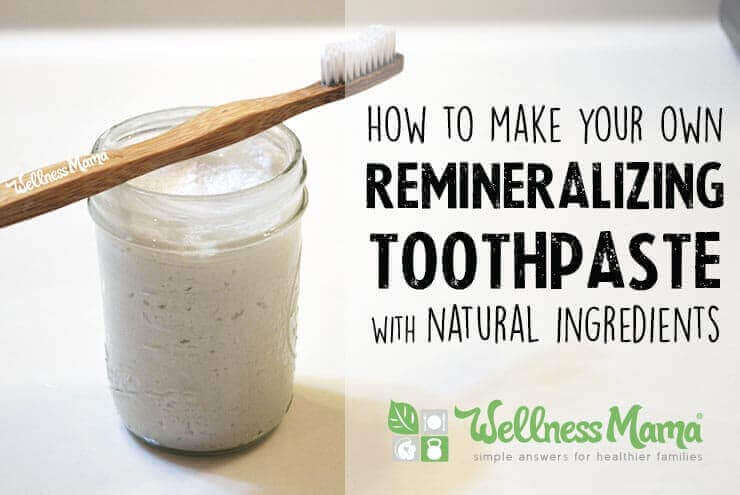
As we go about our daily routines, brushing our teeth is one of the most important habits we can cultivate for maintaining good oral health. However, it’s easy to overlook another crucial aspect of dental care: protecting our teeth from decay and damage. One effective way to achieve this is by making your own remineralizing toothpaste at home.
Why do we need a remineralizing toothpaste?
The ingredients in many commercial toothpastes can be detrimental to our teeth, especially if they contain harsh chemicals or abrasives that can strip away the enamel and cause damage. By making your own toothpaste at home, you can control the ingredients and avoid any potential harm.
What is mineralization?
Mineralization is a process where minerals such as calcium and phosphate are absorbed by our teeth, helping to strengthen them and prevent decay. Vitamins like vitamin D also play an important role in this process, signaling to our body how to distribute these minerals effectively.
A study conducted in the early 20th century found that people living in remote tribes with a diet rich in dairy products, fish, and cheese had fewer cavities than those with more processed diets. This led researchers to conclude that a diet rich in these foods could be beneficial for oral health.
Why is it essential to use a natural toothpaste?
Using a natural toothpaste made at home is crucial because it eliminates the risk of using harsh chemicals or abrasives that can damage our teeth. By choosing natural ingredients, you can ensure that your toothpaste is gentle on your teeth and promotes healthy mineralization.
The Importance of Fluoride in Toothpaste
Fluoride is a naturally occurring compound found in many minerals, including apatite and fluorapatite. It plays a crucial role in preventing tooth decay by making teeth more resistant to acid attacks from plaque bacteria and sugars in the mouth. Fluoride also helps to remineralize teeth, promoting healthy mineralization.
However, overconsumption of fluoride can lead to dental fluorosis, a condition characterized by white or brown spots on the teeth. To avoid this risk, it’s essential to use a toothpaste that contains the right amount of fluoride and follows the recommended dosage guidelines.
The Benefits of Using Xylitol in Toothpaste
Xylitol is a natural sugar substitute that has been shown to have numerous oral health benefits. It inhibits the production of acid by bacteria in the mouth, preventing tooth decay and gum disease. Xylitol also helps to remineralize teeth, promoting healthy mineralization.
The Role of Essential Oils in Toothpaste
Essential oils are highly concentrated plant extracts that can be used to promote oral health. Peppermint essential oil, for example, has been shown to reduce plaque formation and freshen breath. Lemon essential oil also has antibacterial properties, making it an effective ingredient in toothpaste.
Making Your Own Remineralizing Toothpaste: A Step-by-Step Guide
To make your own remineralizing toothpaste at home, you’ll need the following ingredients:
- 2 tablespoons of calcium powder
- 1 tablespoon of xylitol crystals
- 10 drops of liquid minerals
- 10 drops of peppermint essential oil
- 5 drops of lemon essential oil
- 1 liter of water
Here’s a step-by-step guide to making your toothpaste:
- Combine the ingredients: In a small bowl, mix together the calcium powder, xylitol crystals, and liquid minerals.
- Add the essential oils: Add the peppermint and lemon essential oils to the mixture and stir well.
- Gradually add water: Gradually add in the water while stirring until you achieve a smooth paste.
- Store your toothpaste: Transfer the toothpaste to a glass jar or container and store it in the refrigerator.
Tips for Using Your Toothpaste
To get the most out of your homemade toothpaste, follow these tips:
- Use your toothpaste at least twice a day
- Always agitate your toothbrush thoroughly before brushing your teeth
- Avoid using too much pressure while brushing
- Choose an electric toothbrush with soft bristles to help distribute the toothpaste evenly
What to Look for in Your Toothpaste
When checking if your homemade toothpaste has worked, look out for these signs:
- A fresh and clean taste
- A gentle foaming action when you brush your teeth
- Improved oral health and reduced plaque buildup
Conclusion
Making your own remineralizing toothpaste at home is a simple yet effective way to promote healthy oral care. By controlling the ingredients and avoiding harsh chemicals, you can ensure that your toothpaste is gentle on your teeth and promotes mineralization.
By following this guide and using natural ingredients, you can create a toothpaste that works wonders for your smile. So why wait? Get started today and say goodbye to damaged teeth and hello to a healthier, happier smile!
FAQs
- Q: Is it safe to use xylitol crystals in my toothpaste?
A: Yes, xylitol is a natural sugar substitute that’s safe for consumption. - Q: Can I replace the peppermint essential oil with another flavor?
A: You can experiment with different essential oils like eucalyptus or tea tree oil. - Q: How often should I make a new batch of toothpaste?
A: Aim to make a new batch every 4-6 weeks, or when you notice your toothpaste starting to lose its potency. - Q: Can I use this toothpaste for children?
A: While the ingredients are generally safe, it’s best to consult with a pediatrician before using this toothpaste on kids. - Q: Is there any risk of allergic reactions from using essential oils in my toothpaste?
A: As with any new product, do a patch test on your skin before using the toothpaste to ensure you’re not allergic to any of the ingredients. - Q: Can I use this toothpaste for sensitive teeth?
A: Yes, you can experiment with adjusting the amount of xylitol crystals or adding a few drops of chamomile essential oil to help soothe sensitive teeth. - Q: Is it possible to make toothpaste without calcium powder?
A: While calcium is essential for oral health, there are other minerals like potassium that can provide similar benefits. Consult with a dentist or healthcare professional before making any changes. - Q: Can I use this toothpaste if I have a dental implant?
A: It’s best to consult with your dentist before using this toothpaste, as some ingredients may not be suitable for dental implants.
Common Mistakes to Avoid When Making Your Own Toothpaste
- Using too much xylitol: While xylitol is safe in moderation, excessive consumption can lead to digestive issues.
- Not storing the toothpaste properly: If you don’t store your homemade toothpaste in the refrigerator, it may become contaminated with bacteria or mold.
- Not adjusting the recipe: If you find that your toothpaste is too abrasive or not effective enough, adjust the ingredients and try again.
Natural Alternatives to Traditional Toothpaste Ingredients
- Replace calcium powder with potassium: Potassium can provide similar benefits to calcium in oral health.
- Use coconut oil instead of xylitol: Coconut oil has antimicrobial properties that can help prevent plaque buildup.
- Try baking soda as a natural abrasive: Baking soda is a gentle abrasive that can help remove plaque and stains.
Conclusion
Making your own remineralizing toothpaste at home is a simple yet effective way to promote healthy oral care. By controlling the ingredients and avoiding harsh chemicals, you can ensure that your toothpaste is gentle on your teeth and promotes mineralization. Remember to adjust the recipe as needed and avoid common mistakes when making your own toothpaste.


