
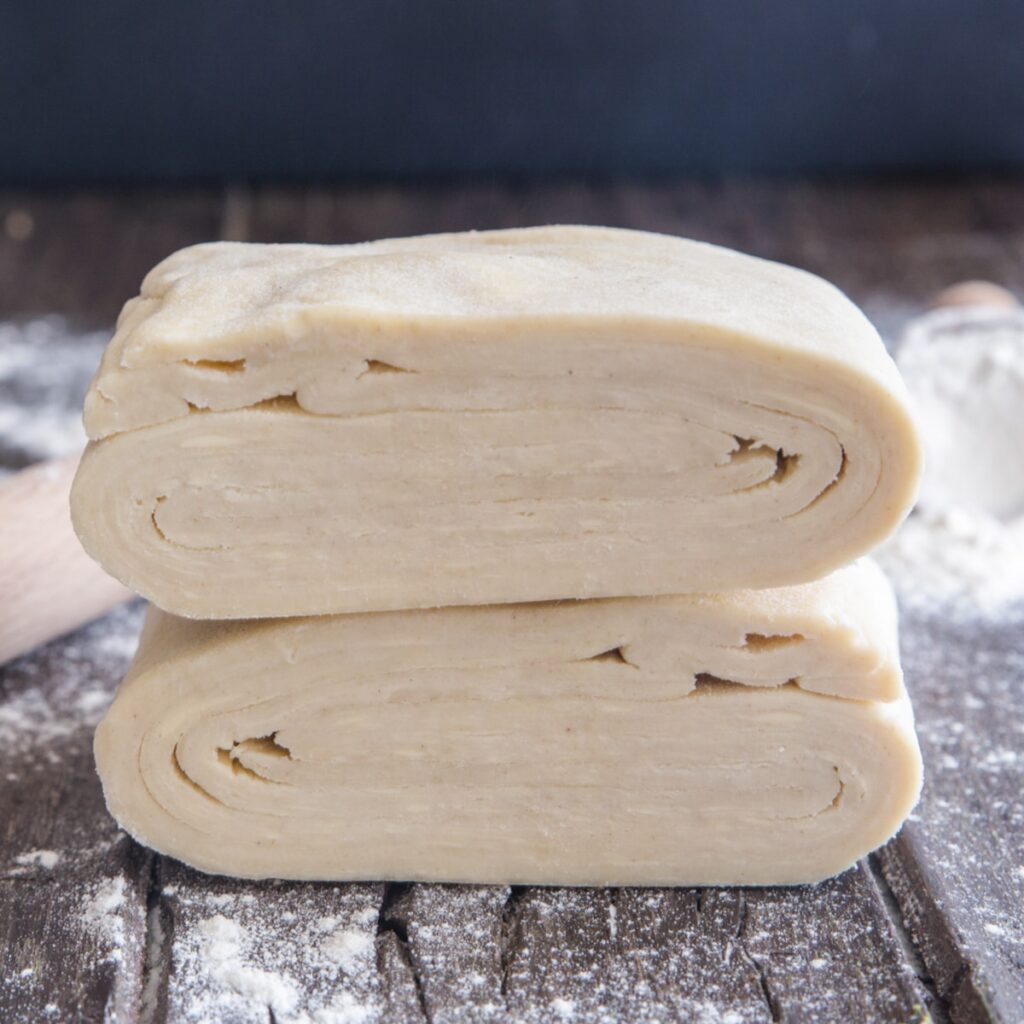
Making pasta dough from scratch is an art that requires patience, skill, and a bit of practice. However, the end result is well worth the effort, as you can control the ingredients and avoid additives found in store-bought dough. In this article, we’ll guide you through making pasta dough at home, covering both sweet and savory recipes.
Understanding Pasta Dough
Pasta dough is a mixture of flour, water, and fat (usually butter or lard). The ratio of these ingredients determines the type of pasta you’ll end up with. A classic recipe typically uses 275 grams of “00” flour, 150 grams of all-purpose flour, and 250 milliliters of water.
Ingredients
Before we begin, let’s list the necessary ingredients:
- 275 grams of “00” flour
- 150 grams of all-purpose flour (such as Manitoba)
- 250 milliliters of water
- 8 grams of salt
- 250 grams of butter (softened)
Note: You can adjust the amount of salt and butter to your liking, but keep in mind that using too little salt can affect the flavor of the pasta.
Equipment Needed
You’ll need a few pieces of equipment to make pasta dough:
- Stand mixer with an impasta attachment (or a hand-cranked mixer)
- A clean, lightly floured surface for kneading
- A measuring cup or digital scale for accurate measurements
- Rolling pin and pasta cutter or sharp knife
Step 1: Mixing the Dough
Start by dissolving the salt in water to create a brine solution. Add the “00” flour and all-purpose flour to the mixing bowl, along with the softened butter. Use the impasta attachment on your stand mixer to combine the ingredients.
As you mix, add more water gradually until the dough comes together in a ball. Be careful not to overmix, as this can lead to tough pasta.
Tips for Mixing
- Make sure the butter is at room temperature before adding it to the flour.
- Use a slow and gentle mixing motion to avoid developing too much gluten in the dough.
- If you’re using a hand-cranked mixer, be careful not to overmix as this can lead to tough pasta.
Step 2: Kneading the Dough
Transfer the dough to a lightly floured surface and knead for about 10 minutes, until it becomes smooth and elastic. You can also use a hand-cranked mixer or knead by hand with your fingers.
As you knead, pay attention to the texture of the dough. It should be slightly sticky but not too wet. If it’s too dry, add a little more water.
Tips for Kneading
- Use a gentle pressing motion with your hands to knead the dough.
- Make sure to knead in all directions, including horizontally and vertically.
- Don’t over-knead the dough, as this can lead to tough pasta.
Step 3: Resting the Dough
Wrap the dough in plastic wrap or aluminum foil and let it rest for at least 30 minutes. This allows the gluten to relax, making the dough easier to roll out.
During this time, prepare your workspace by sprinkling it with flour and having your rolling pin and pasta cutter ready.
Why Resting is Important
Resting the dough allows the gluten to relax, which makes the dough easier to roll out. If you skip this step or rest the dough for too short a time, the pasta may not be as tender and smooth.
Step 4: Rolling Out the Dough
After the dough has rested, divide it into manageable pieces (about the size of a large egg). Use one piece at a time, and work on it until you’ve developed a smooth, even texture.
Roll out each piece using a rolling pin to your desired thickness. For a classic pasta shape, aim for about 1-2 mm thickness.
Tips for Rolling Out
- Use a light touch when rolling out the dough, as this can cause the pasta to become too thin.
- Make sure to roll the dough evenly in all directions, including horizontally and vertically.
- Don’t over-roll the dough, as this can lead to tears or cracks in the pasta.
Step 5: Cutting and Shaping the Pasta
Use a pasta cutter or sharp knife to cut the rolled-out dough into the desired shapes (e.g., spaghetti, fettuccine, etc.).
If you want to create specific shapes like ravioli or tortellini, follow our article on “How to Make Ravioli at Home” for detailed instructions.
Tips for Cutting and Shaping
- Use a sharp knife or pasta cutter to avoid tearing the dough.
- Cut the pasta into even lengths and make sure they’re all roughly the same size.
- Don’t over-cut the pasta, as this can lead to uneven cuts and rough edges.
Step 6: Drying and Cooling
Once you’ve cut your pasta, let it dry on a clean towel or pasta drying rack for at least 30 minutes. This helps remove excess moisture and prevents the pasta from sticking together.
After drying, store your freshly made pasta in an airtight container or plastic bag, making sure to press out as much air as possible before sealing.
Tips for Drying and Cooling
- Make sure the pasta is dry enough before storing it.
- Store the pasta in a cool, dry place, away from direct sunlight.
- Don’t store the pasta in humid environments, as this can cause it to stick together or become soft.
Tips for Cooking Pasta
When cooking your freshly made pasta, make sure to follow these tips:
- Use plenty of salted water to cook the pasta (at least 4 cups of water per pound of pasta).
- Bring the water to a rolling boil before adding the pasta.
- Cook the pasta for about 2-3 minutes less than the package instructions recommend.
- Reserve some pasta water before draining it, as this can help create a creamy sauce.
Tips for Making Sweet Pasta
Making sweet pasta is similar to making savory pasta, but with a few key differences. Here are some tips:
- Use a different type of flour, such as all-purpose flour or whole wheat flour.
- Add more sugar and flavorings, such as vanilla or cinnamon.
- Cook the pasta for about 1-2 minutes less than the package instructions recommend.
Tips for Making Ravioli
Making ravioli is a bit more involved than making other types of pasta, but it’s still achievable with practice. Here are some tips:
- Use a thin layer of dough to wrap around the filling.
- Make sure the edges are sealed tightly and evenly.
- Cook the ravioli in boiling water for about 3-5 minutes, or until they float to the surface.
Tips for Making Tortellini
Making tortellini is similar to making other types of pasta, but with a few key differences. Here are some tips:
- Use a ring-shaped cutter to cut out the dough.
- Make sure the edges are sealed tightly and evenly.
- Cook the tortellini in boiling water for about 3-5 minutes, or until they float to the surface.
Conclusion
Making pasta dough from scratch is an art that requires patience, skill, and practice. However, with these tips and techniques, you can create delicious and authentic Italian pasta at home. Whether you’re making classic spaghetti or sweet ravioli, remember to follow these steps and tips to achieve success.
By following this guide, you’ll be well on your way to becoming a pasta-making pro. So go ahead, get creative with your ingredients and recipes, and enjoy the delicious rewards of homemade pasta!


