
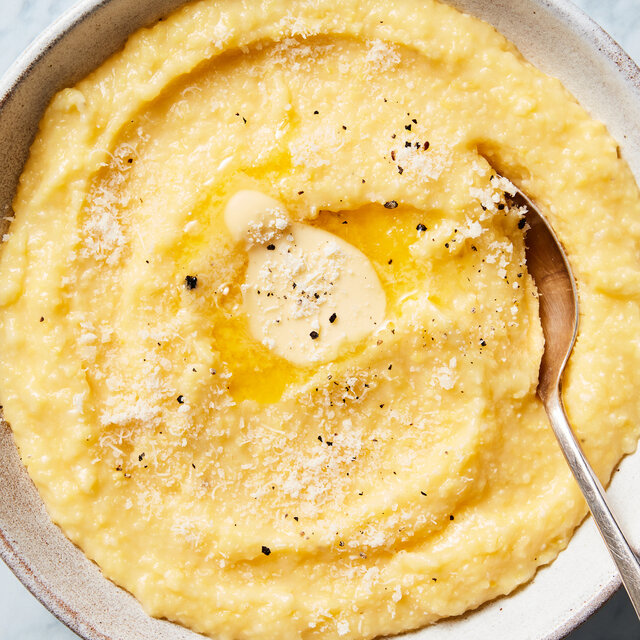
Polenta, a dish made from cornmeal, is a staple in Italy, particularly in the north. Its origins date back to ancient times, when it was a primary food source for the region’s inhabitants. Today, polenta is enjoyed not only as a comfort food but also as a versatile ingredient in various dishes.
The Origins and History of Polenta
Polenta has its roots in Italy, where it was first made from cornmeal. The dish gained popularity in the north, particularly in the regions of Piedmont, Lombardy, and Veneto. Over time, polenta became an integral part of Italian cuisine, with various regional specialties emerging.
In the past, polenta was often associated with poverty, as it was a cheap and filling meal for the working class. However, this reputation led to misunderstandings about its nutritional value. While polenta is indeed high in carbohydrates, it also contains essential nutrients like fiber, vitamins, and minerals.
Types of Polenta
Polenta comes in various forms, including:
- Polenta di grano saraceno: made from durum wheat semolina
- Polenta bianca: made from wheat flour
- Polenta di patate: made from potatoes
- Polenta di castagne: made from chestnuts
- Polenta nera: made from emmer wheat
Each type of polenta has its unique characteristics and flavors.
Instant Polenta
Instant polenta is a convenience option for those who don’t have time to prepare the traditional recipe. It’s made by pre-cooking the cornmeal in water, resulting in a quicker cooking time. While it may not be as nutritious as the traditional version, instant polenta can still provide a delicious and satisfying meal.
Traditional Polenta Recipe
Making traditional polenta requires patience and attention to detail. Here’s a basic recipe to get you started:
Ingredients:
- ½ kilo of cornmeal
- 2 litres of water
- 1 tablespoon of olive oil (optional)
- 1 teaspoon of salt
- Black pepper (optional)
Instructions:
- Heat the water in a large pot over medium heat.
- Add the cornmeal, stirring constantly to prevent lumps from forming.
- Gradually add more water as needed to achieve the desired consistency.
- Cook for about 45 minutes, stirring frequently, until the polenta is thick and creamy.
Tips for a Perfect Cottura
To ensure a perfect cottra, follow these tips:
- Stir the polenta constantly to prevent lumps from forming
- Adjust the water content as needed to achieve the desired consistency
- Cook the polenta over medium heat to prevent burning
Polenta can be served with various toppings, such as meats, vegetables, and cheeses. Here are a few ideas:
- Polenta con carne e verdure: serve the polenta with grilled meat and sautéed vegetables
- Polenta fritta: fry the polenta until crispy and enjoy it as a snack or side dish
Valori Nutrizionali and Calories
Here’s a comparison of the nutritional values of different foods:
| Food | Calories (100g) | Protein (g) | Carbohydrates (g) |
|---|---|---|---|
| Pasta di semola di grano duro | 356 | 10.8 | 82.8 |
| Pane comune | 279 | 8.1 | 64.7 |
| Riso | 362 | 7 | 87.6 |
Polenta, on the other hand, contains:
- Calories: 183
- Protein: 4.4g
- Carbohydrates: 40.8g
FAQs
Here are some frequently asked questions about polenta:
- What is the best type of cornmeal to use for polenta?
- The best type of cornmeal to use for polenta is a medium or fine grind.
- Can I add flavorings to my polenta?
- Yes, you can add various flavorings such as herbs, spices, and cheeses to your polenta.
- How do I store leftover polenta?
- Leftover polenta can be stored in the refrigerator for up to a week or frozen for later use.
Additional Tips and Variations
Here are some additional tips and variations to enhance your polenta experience:
- Add flavor with herbs: Try adding fresh herbs like parsley, basil, or rosemary to give your polenta a unique flavor.
- Use different types of cheese: Experiment with various cheeses like parmesan, gorgonzola, or ricotta to create different flavor profiles.
- Add protein for extra nutrition: Mix cooked meats, vegetables, or legumes into your polenta to boost its nutritional value.
- Try different cooking methods: Instead of traditional stovetop cooking, try microwaving, grilling, or baking the polenta for a unique twist.
Conclusion
Polenta is a versatile and nutritious food that can be enjoyed in various forms. With this guide, you’ll be able to create delicious and authentic Italian dishes at home. Remember to experiment with different flavorings, toppings, and cooking methods to find your perfect polenta recipe.


