
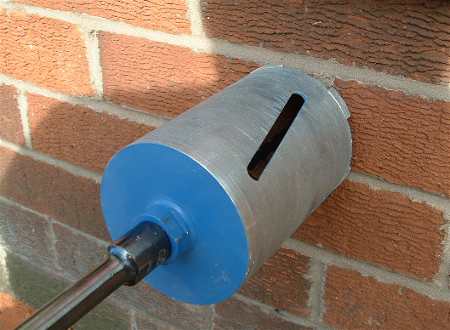
Understanding the Importance of Drill Bits and Trapanos
When it comes to drilling holes in walls, floors, or ceilings, having the right tools and techniques is crucial. In this article, we’ll explore the world of drill bits and trapanos, discussing their differences and how to choose the right one for your project.
Types of Materials and Drill Bits
Different materials require different types of drill bits. For example:
- Wood: Using a wood drill bit is essential to avoid damaging the surrounding material.
- Concrete or Cement: A concrete or cement drill bit is necessary to penetrate these dense materials.
- Masonry: Masonry drill bits are designed specifically for drilling through brick, stone, and other masonry materials.
The Role of Drill Bits in Drilling
Drill bits come in various shapes and sizes, each with its unique characteristics. Some common types include:
- Twist bits: These are the most common type of drill bit, featuring a spiral flute that helps remove material as you drill.
- Masonry bits: Designed specifically for drilling through masonry materials, these bits have a carbide-tipped point and a metal shank for added durability.
- Pilot points: Used to create pilot holes in wood or other materials, these bits feature a small, pointed tip that helps guide the drill bit.
Choosing the Right Drill Bit
Selecting the right drill bit for your project is critical. Consider factors such as:
- Material type: Choose a drill bit designed specifically for the material you’re working with.
- Drill size and speed: Select a drill bit that’s compatible with your power tool and suitable for the size of hole you need to create.
Common Mistakes to Avoid When Drilling
To ensure successful drilling, be mindful of the following common mistakes:
- Inadequate pilot holes: Always create a pilot hole before using a larger drill bit to avoid damaging surrounding material.
- Insufficient drill bit maintenance: Regularly clean and maintain your drill bits to prevent damage and extend their lifespan.
Tips for Drilling with Power Tools
Drilling with power tools can be intimidating, but with the right techniques and precautions, you can achieve professional results. Here are some tips to keep in mind:
- Use the correct drill bit: Choose a drill bit designed specifically for your power tool and project requirements.
- Maintain proper drilling technique: Keep your work area clean and clear of debris, and always use a steady, controlled motion when drilling.
Safety Precautions
Drilling with power tools can be hazardous if not done properly. Always follow these safety precautions:
- Wear protective gear: Wear safety glasses, a dust mask, and gloves to protect yourself from debris and potential injury.
- Use proper lighting: Ensure your work area is well-lit to avoid accidents caused by darkness or poor visibility.
- Keep children away: Keep children and pets away from the drilling area to prevent accidents.
Common Drill Bits and Their Uses
Here are some common drill bits and their uses:
- Spade bits: Used for drilling pilot holes in wood, these bits have a flat, broad blade that helps guide the drill bit.
- Forstner bits: Designed for drilling large holes in wood, these bits feature a flat, round blade that provides a smooth finish.
- Keyless twist bits: These bits are designed for use with keyless drills and provide quick and easy switching between different drill bits.
Drilling Holes in Different Materials
Drilling holes in different materials requires different techniques and tools. Here are some tips for drilling holes in various materials:
- Wood: Use a wood drill bit and maintain a steady, controlled motion when drilling.
- Concrete or Cement: Use a concrete or cement drill bit and apply gentle pressure to avoid damaging the surrounding material.
- Masonry: Use a masonry drill bit and apply moderate pressure to create a clean, straight hole.
Conclusion
Drilling holes in walls is an essential skill for any DIY enthusiast or professional contractor. By understanding the importance of drill bits and trapanos, choosing the right type for your project, and avoiding common mistakes, you can achieve successful results with ease. With practice and patience, you’ll become a pro at drilling holes like a seasoned expert.
Frequently Asked Questions
Q: What is the difference between a twist bit and a masonry bit?
A: A twist bit is designed for drilling through wood or other soft materials, while a masonry bit is specifically designed for drilling through dense materials like concrete or brick.
Q: How do I choose the right drill bit for my power tool?
A: Choose a drill bit that’s compatible with your power tool and suitable for the size of hole you need to create. Consider factors such as material type, drill size, and speed.
Q: What are some common mistakes to avoid when drilling?
A: Inadequate pilot holes, insufficient drill bit maintenance, and using the wrong drill bit can lead to damaged surrounding material or a poor drilling experience.
Q: How do I maintain my power tool drill bits?
A: Regularly clean and maintain your drill bits by removing debris, drying them thoroughly, and storing them in a protective case.
Q: What is the best way to prevent splintering when drilling into wood?
A: Use a pilot hole and a carbide-tipped drill bit to minimize splintering and create a smooth, clean finish.
Q: Can I use a hand drill instead of a power tool for drilling holes?
A: While it’s possible to use a hand drill for drilling holes, power tools are generally faster and more efficient. However, using a hand drill can provide greater control and accuracy in certain situations.
Q: How do I ensure accurate drilling when working with small or delicate materials?
A: Use a pilot hole guide or a precision drill bit designed specifically for your project requirements. Additionally, maintain proper drilling technique and keep your work area clean and clear of debris.
Q: Can I use a drill bit to cut through metal or other dense materials?
A: While some drill bits are designed to penetrate metal or other hard materials, others may not be suitable for this task. Always choose a drill bit specifically designed for the material you’re working with and follow proper drilling techniques to avoid damage or injury.
Q: How do I prevent overheating when drilling with power tools?
A: Use a drill bit with a cool-running design, maintain your work area at a comfortable temperature, and take regular breaks to rest your hands and arms.


