
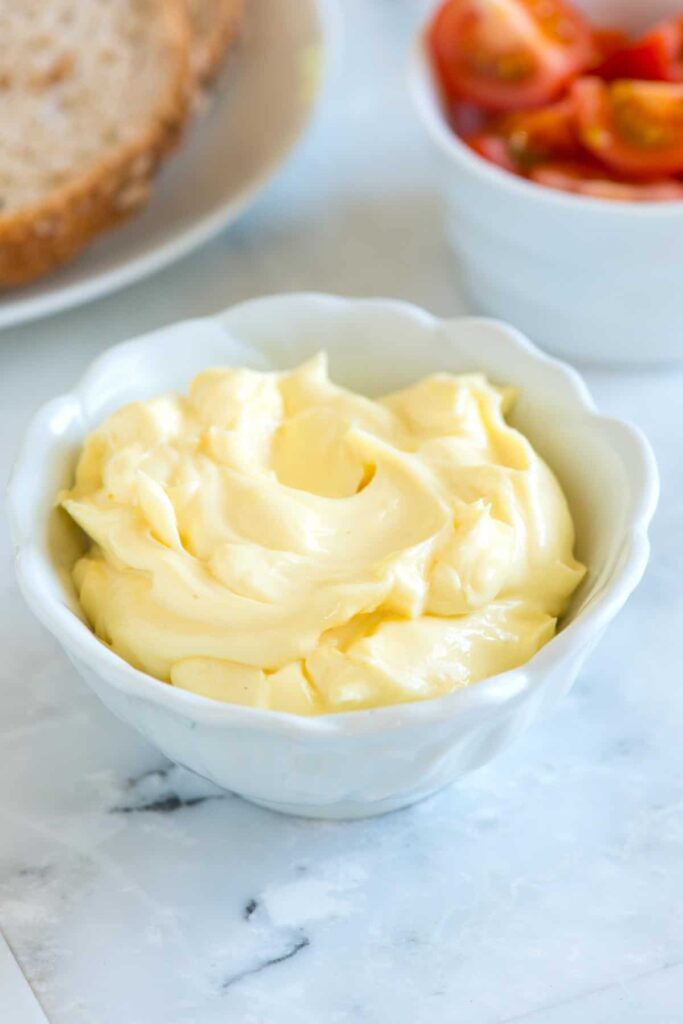
As a popular condiment, mayonnaise is widely used in cooking to add flavor to both dishes and sandwiches. However, many people are unaware that making it at home is surprisingly easy. By using fresh ingredients, you can create a genuine product without artificial additives commonly found in store-bought mayonnaise.
What is Mayo?
Before we dive into the recipe, let’s take a closer look at what mayo is and why it’s so versatile. Mayonnaise is a mixture of oil, egg yolks, acid (such as lemon juice or vinegar), and seasonings. Its creamy texture and tangy flavor make it an ideal accompaniment to various foods.
The Science Behind Mayo
Mayo is an emulsion, which means that it’s a mixture of two liquids that don’t normally mix together, such as oil and water. In this case, the egg yolks act as an emulsifier, helping to combine the oil with the acid (lemon juice or vinegar). This process is called emulsification, and it requires gentle blending and whisking to achieve.
Why Make Mayo at Home?
Making mayonnaise at home offers several benefits:
- Control over ingredients: By using fresh eggs, oil, and seasonings, you can ensure that your mayo is free from artificial additives and preservatives.
- Customization: You can adjust the flavor to your liking by adding different herbs, spices, or citrus juice.
- Cost-effective: Making mayonnaise at home is often cheaper than buying it in stores.
- Freshness: Homemade mayonnaise has a longer shelf life and will keep for several weeks when stored properly.
The Perfect Recipe: A Step-by-Step Guide
Now that we’ve covered the benefits of making mayo at home, let’s move on to the recipe. Here’s a simple and delicious recipe to get you started:
Ingredients:
- 4 egg yolks
- 150ml extra virgin olive oil
- 3 tablespoons neutral-tasting oil (such as canola or grapeseed)
- Juice of 1 lemon
- Salt, to taste
- Black pepper, to taste
Instructions:
- In a medium-sized bowl, whisk together the egg yolks and a pinch of salt until well combined.
- Using an electric mixer or whisk, gradually add the neutral-tasting oil while continuously whisking the mixture at low speed. This is called “emulsification.”
- Once the mixture has thickened slightly, increase the speed to medium-high and slowly pour in the extra virgin olive oil while continuing to whisk.
- As you whisk, add a squeeze of lemon juice and continue until the mixture has doubled in volume.
- Taste and adjust the seasoning as needed.
Tips for Making Mayo at Home
- Use room temperature ingredients: This will help prevent the eggs from scrambling when adding the oil.
- Add flavor with herbs or spices: Try adding a pinch of paprika, dried parsley, or chopped fresh dill to give your mayo a unique twist.
- Experiment with different oils: Use olive oil, avocado oil, or grapeseed oil to change up the flavor and texture.
Common Issues When Making Mayo at Home
- Separation: If your mayo separates, try whisking it gently with a fork until it comes back together.
- Too thick: If your mayo is too thick, add a small amount of warm water to thin it out.
Using Mayonnaise in Cooking and Recipes
Mayonnaise is a versatile condiment that can be used in a variety of dishes. Here are some ideas for using mayonnaise in cooking:
- Sandwiches: Use mayonnaise as a spread on sandwiches, wraps, and subs.
- iced tea
- Salad dressings: mix mayo with ketchup, mustard, vinegar, or lemon juice for a tasty salad dressing.
- Dip: serve store-bought or homemade mayo as a dip for vegetables, crackers, or chips.
FAQs
Q: Can I make mayonnaise without using lemon juice?
A: Yes, you can use vinegar or another acidic ingredient instead of lemon juice. However, keep in mind that the flavor will be slightly different.
Q: What happens if my mayo separates or becomes too thick?
A: If your mayo has separated, try whisking it gently with a fork until it comes back together. If it’s too thick, add a small amount of warm water to thin it out.
Q: Can I store homemade mayonnaise in the fridge for longer than a week?
A: Yes, you can store homemade mayonnaise in an airtight container in the fridge for up to two weeks.


