
Have you ever wondered why we need to buy liquid soap every time it runs out? Why not make your own liquid soap at home? In this article, we’ll show you how to make simple and effective liquid soap for personal hygiene, washing dishes, and laundry.
Why Make Your Own Liquid Soap?
Making your own liquid soap can be a cost-effective way to save money on household expenses. Plus, it’s fun and easy to do at home with just a few basic ingredients. You’ll also have the flexibility to customize your soap with your favorite fragrances and essential oils.
In addition to saving money, making your own liquid soap can also help you avoid harsh chemicals found in commercial soaps. Many commercial soaps contain preservatives, dyes, and other additives that can be irritating to skin and the environment. By making your own liquid soap, you can ensure that it’s made with natural ingredients and is gentle on your skin.
Benefits of Making Your Own Liquid Soap
- Cost-Effective: Making your own liquid soap can save you money in the long run.
- Customizable: You can choose the fragrance and essential oils to suit your preferences.
- Natural Ingredients: You can avoid harsh chemicals found in commercial soaps.
- Environmentally Friendly: By using natural ingredients, you can reduce your carbon footprint.
Making Liquid Soap for Personal Hygiene
To make liquid soap for personal hygiene, you’ll need:
- A container with a dispenser
- A block of soap (any fragrance)
- Glycerin liquid or olive oil
- Distilled water
Here’s how to make it:
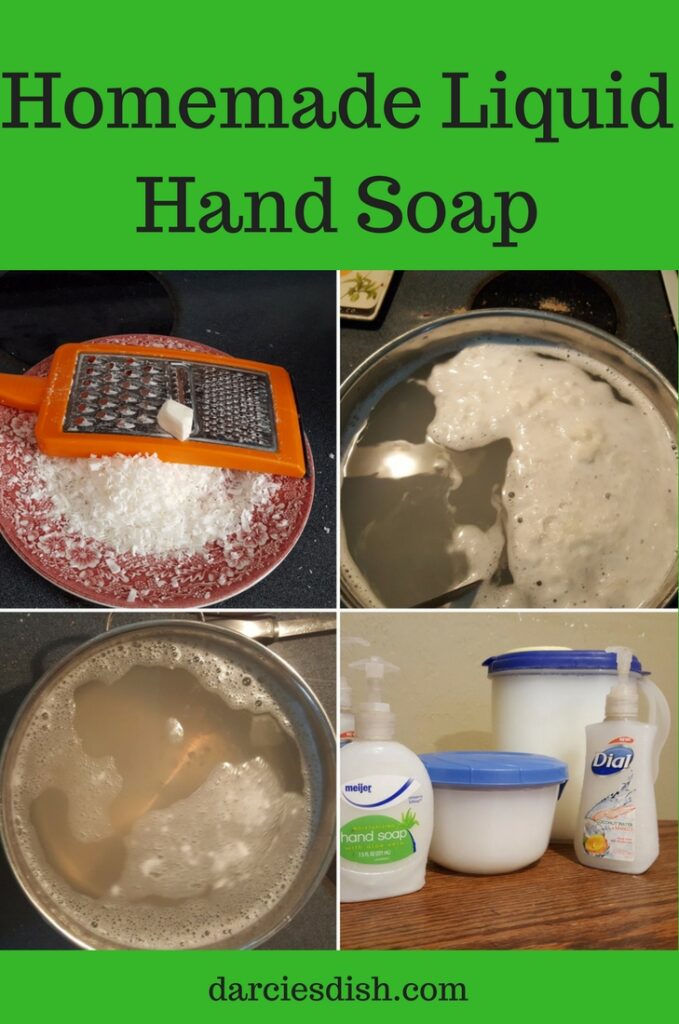
- Grate the Soap: Use a grater to grate the soap into small pieces.
- Heat the Water: Heat three cups of distilled water in a pot until it reaches a simmering temperature.
- Add Soap and Glycerin: Add the grated soap and glycerin to the hot water, stirring constantly until the soap is fully dissolved.
- Cool and Bottle: Let the mixture cool down before pouring it into a container with a dispenser.
Tips and Variations
- Use a different fragrance for your soap by substituting the glycerin with essential oils or adding a few drops of perfume oil.
- Experiment with different ratios of soap to water to create unique scents and textures.
- Add a few drops of tea tree oil to help soothe skin irritations.
Making Liquid Soap for Washing Dishes
To make liquid soap for washing dishes, you’ll need:
- 1 liter of water
- 4 tablespoons of baking soda
- 300 grams of soap (without glycerin)
- A large container with a lid
Here’s how to make it:
- Heat the Water: Heat one liter of water in a pot until it reaches a simmering temperature.
- Add Soap and Baking Soda: Add the grated soap and baking soda to the hot water, stirring constantly until the mixture reaches a soft boil.
- Cool and Bottle: Let the mixture cool down before pouring it into a container with a lid.
Tips and Variations
- Use a different fragrance for your dish soap by adding essential oils or perfume oil.
- Experiment with different ratios of soap to water to create unique scents and textures.
- Add a few drops of lemon juice to help remove grease and food residue.
Making Liquid Soap for Laundry
To make liquid soap for laundry, you’ll need:
- 1 liter of used and filtered oil
- 200 grams of soda ash
- 1 tablespoon of salt
- Two liters of water
- Essential oils (optional)
Here’s how to make it:
- Mix the Ingredients: Mix the oil, soda ash, and salt in a large container for 45 minutes.
- Add Water and Let it Rest: Add two liters of water to the mixture and let it rest for two days, stirring occasionally.
- Filter and Bottle: Filter the mixture through a cheesecloth or fine-mesh strainer before pouring it into smaller bottles.
Tips and Variations
- Use a different fragrance for your laundry soap by adding essential oils.
- Experiment with different ratios of oil to water to create unique scents and textures.
- Add a few drops of lavender oil to help soothe skin irritations.
Common Mistakes to Avoid
- Using the Wrong Soap: Make sure to use a high-quality soap that is specifically designed for making liquid soap.
- Not Heating the Water Enough: Heat the water to a simmering temperature before adding the soap and glycerin.
- Not Filtering the Mixture: Filter the mixture through a cheesecloth or fine-mesh strainer to remove any sediment.
Conclusion
Making liquid soap at home is a simple and cost-effective way to save money on household expenses. With just a few basic ingredients, you can create effective and customized liquid soap for personal hygiene, washing dishes, and laundry. Whether you’re looking for a budget-friendly option or want to experiment with different fragrances and textures, making your own liquid soap at home is a great idea.
FAQs
- Q: Can I use any type of soap to make liquid soap?
A: No, it’s best to use a high-quality soap that is specifically designed for making liquid soap. - Q: How long does it take to make liquid soap?
A: The time it takes to make liquid soap depends on the recipe and the amount of ingredients used. Some recipes can be made in as little as 30 minutes, while others may take several hours or days to complete. - Q: Can I add essential oils to my liquid soap?
A: Yes, you can add essential oils to your liquid soap for a unique fragrance and potential health benefits. - Q: How do I store my liquid soap?
A: You should store your liquid soap in a cool, dark place, away from direct sunlight and heat sources. - Q: Can I use my homemade liquid soap in the dishwasher?
A: No, it’s best to use a separate dish soap specifically designed for the dishwasher. - Q: How do I know if my liquid soap is working properly?
A: You should test your liquid soap by applying it to a small area of skin and waiting 24 hours before washing it off. If there are any irritation or allergic reactions, you may need to adjust the recipe.
By following these simple steps and tips, you can create effective and customized liquid soap for personal hygiene, washing dishes, and laundry. Happy making!


