
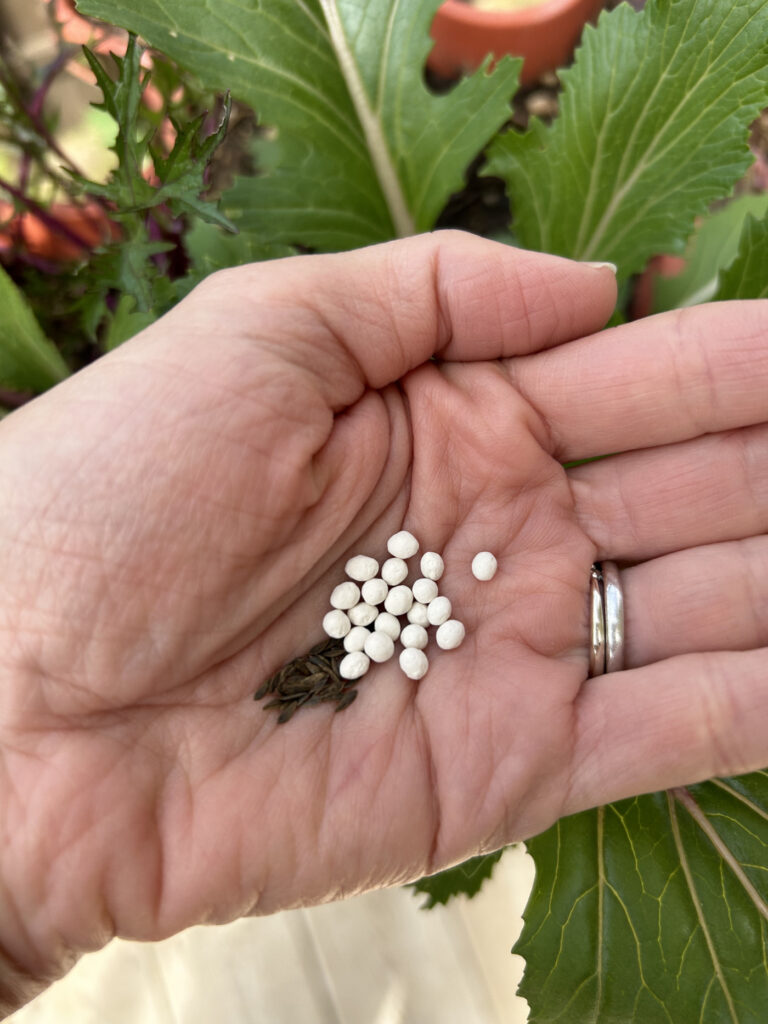
As you tend to your garden, you may find yourself with lettuce, arugula, and other similar crops. Saving the seeds from these plants can be an economical and effective way to improve next year’s harvest. But how do you save lettuce seeds? In this article, we will cover everything you need to know about saving lettuce seeds, from choosing the right varieties to storing them properly.
Choosing the Right Varieties
Before planning the effort of saving lettuce seeds, it’s essential to select only the varieties that have the best yield in your specific growing conditions. By doing so, you’ll ensure a successful harvest. Consider factors such as climate, soil type, and pest resistance when selecting varieties. Some popular lettuce varieties for saving seeds include:
- ‘Red Leaf’ (a loose-leaf variety with deep red leaves)
- ‘Buttercrunch’ (a crisp, buttery-tasting variety)
- ‘Oak Leaf’ (a curly-leafed variety with a sweet flavor)
Selecting the Right Seeds
To begin, choose only the “pollinated” seeds, as hybrid seeds will not allow for effective subsequent cultivations. Look for open-pollinated or heirloom seeds, which are ideal for saving seeds. Open-pollinated seeds have been saved and replanted multiple times, ensuring that they retain their genetic characteristics.
Waiting for the Perfect Moment
It’s crucial to wait until the lettuce plant has completed its vegetative phase before saving the seeds. You’ll know it’s time when the leaves become bitter and the stems turn woody. At this point, a small stem, or flower stalk, will emerge from the center of the plant, reaching 60-130 cm in height.
Isolating the Plants
To prevent self-pollination, which can result in hybrid seeds, it’s necessary to isolate each plant. Use plastic bags, greenhouses, or covered frames to create mini-greens for each specific variety. You can also build a windbreak around individual plants to protect them from cross-pollination.
Collecting the Seeds
Once the flowers have turned into white, fluffy seed heads, you can cut down the plant and let it dry on paper. Once dry, gently rub the seeds between your fingers and collect them in airtight containers. Store the seeds in a cool, dry place to keep them viable for 2-3 years.
Optimizing Seed Collection
For an even better yield, you can take additional care when collecting seeds. Place the seeds on a shallow plate or tray and gently blow air onto them using a fan. Remove any debris, then store the seeds in sealed containers or jars. Label and date the containers to ensure you have access to fresh seeds.
Tips for Collecting Seeds
- Use a clean and dry container to collect seeds to prevent contamination.
- Handle seeds carefully to avoid bruising or damaging them.
- Store seeds in a cool, dry place to slow down germination and preserve viability.
- Consider using a seed starter tray to plant saved seeds directly into the soil.
Common Challenges
When saving lettuce seeds, you may encounter some common challenges. Here are a few things to keep in mind:
- Cross-pollination: This can occur when different plants come into contact with each other, resulting in hybrid seeds. To prevent cross-pollination, isolate each plant and use physical barriers to separate them.
- Seed contamination: Seeds can become contaminated by pests, diseases, or pollutants. Use clean equipment and handle seeds carefully to minimize the risk of contamination.
- Seed germination: Saved seeds may not germinate as quickly as store-bought seeds. This is due to the natural process of seed dormancy, which slows down germination.
Conclusion
Saving lettuce seeds is an effective way to improve your harvest while being environmentally friendly. By choosing the right varieties, isolating plants, collecting seeds carefully, and storing them properly, you can enjoy a bountiful crop of delicious homegrown lettuce for years to come.
Frequently Asked Questions (FAQs)
- Q: How often should I save lettuce seeds?
A: It’s recommended to save seeds every 2-3 years to ensure the health and viability of your plants. - Q: Can I use hybrid lettuce seeds to save seeds?
A: No, hybrid seeds will not produce true-to-type seedlings, so it’s best to stick with open-pollinated or heirloom varieties. - Q: How do I know when the lettuce plant is ready for seed collection?
A: Look for the flowers turning into white, fluffy seed heads and the stems becoming woody. - Q: Can I save seeds from mixed-variety plants?
A: Yes, but take extra precautions to isolate each variety and prevent cross-pollination. - Q: How should I store saved lettuce seeds?
A: Store them in a cool, dry place, such as an airtight container or jar, away from direct sunlight and moisture. - Q: Can I save seeds from arugula and other leafy greens?
A: Yes, but be aware that some varieties may not produce viable seeds. - Q: How long do saved lettuce seeds last?
A: Saved lettuce seeds can last for 2-3 years when stored properly. - Q: Can I save seeds from store-bought lettuce?
A: No, store-bought lettuce is often hybridized and may not produce true-to-type seedlings.
By following these steps and tips, you’ll be able to save lettuce seeds successfully and enjoy a continuous harvest of delicious homegrown lettuce.


