
When it comes to condiments, ketchup is one of the most widely used sauces. It’s a staple in many kitchens, used to add flavor to everything from burgers to fries. But have you ever stopped to think about what’s really in that bottle? Many commercial ketchups are loaded with artificial additives, preservatives, and coloring agents that can be detrimental to our health.
That’s why making homemade ketchup is a great idea. Not only will you avoid these unwanted ingredients, but you’ll also get to enjoy the satisfaction of creating something delicious from scratch. In this article, we’ll walk you through the simple process of making homemade ketchup using natural ingredients.
What Makes Good Ketchup?
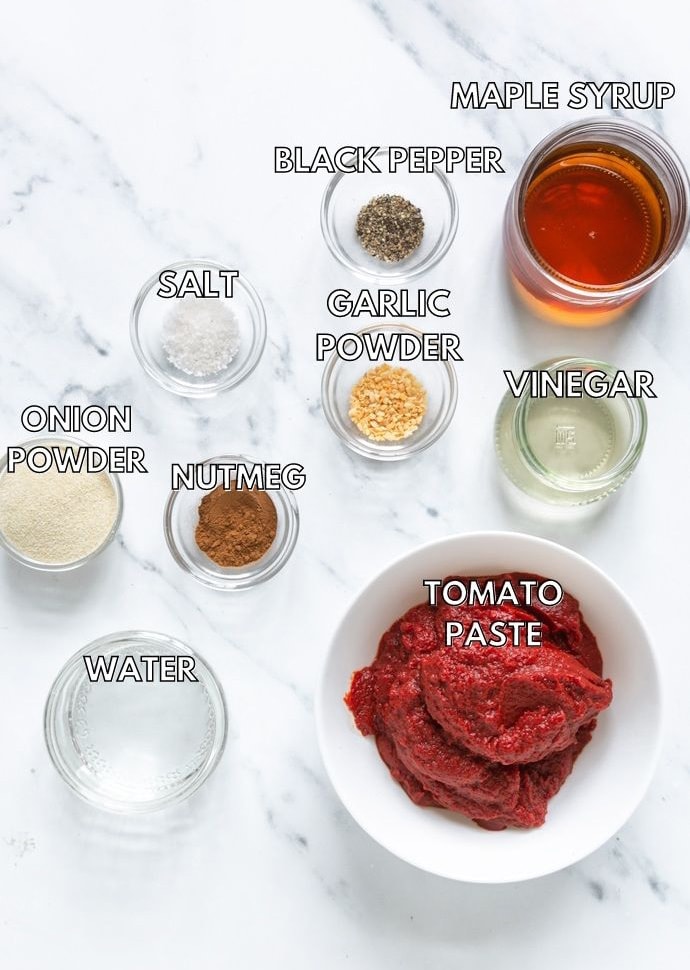
So, what makes good ketchup? The answer lies in its rich flavor profile, which is achieved by combining a base of tomato sauce with a blend of spices and sweeteners. You’ll need:
- 500 grams of fresh tomatoes
- 400 grams of onions
- 100 ml of apple cider vinegar
- 250 grams of sugar
- A pinch of salt
- A teaspoon of ground mustard
- A pinch of nutmeg
- A teaspoon of ground ginger
- 2 whole cloves
- Glass jars with tight-fitting lids
Why Sterilize Your Jars?
Before we dive into the recipe, it’s essential to understand why sterilizing your jars is crucial. When you make homemade ketchup, you’re essentially creating a food product that will be stored in a sealed container for an extended period. If the jars aren’t properly sterilized, there’s a risk of bacterial growth, which can lead to spoilage and even food poisoning.
Sterilization may seem like a daunting task, but it’s surprisingly simple. You can use a combination of heat, water, and vinegar to achieve the desired level of sterility. We’ll cover this process in more detail later on.
The Science Behind Sterilization
Sterilization is a critical step in food preservation, as it eliminates any microorganisms that may be present on your jars or utensils. There are several methods for sterilizing jars, including:
- Water Bath Canning: This method involves submerging the jars in boiling water for 10-15 minutes to achieve sterilization.
- Pressure Canning: This method uses a pressure canner to heat the jars to an extremely high temperature (usually around 212°F) for a set amount of time.
- Vinegar Soak: This method involves soaking the jars in a solution of water and vinegar for several hours or overnight.
Each of these methods has its own advantages and disadvantages, and we’ll discuss them further later on.
The Recipe
Now that we’ve covered the basics, let’s move on to the recipe itself. Making homemade ketchup is easier than you think!
- Step 1: Chop Your Onions
Mince your onions and set them aside. - Step 2: Cook Down Your Tomatoes
Combine your fresh tomatoes with the chopped onions in a large pot. Add a pinch of salt and bring to a simmer over low heat. - Step 3: Blend and Simmer
Transfer the tomato mixture to a blender or food processor and blend until smooth. Return the mixture to the pot and add the apple cider vinegar, sugar, mustard, nutmeg, ginger, cloves, and paprika. Simmer for an additional 20 minutes, stirring occasionally. - Step 4: Add Final Touches
Remove the pot from the heat and stir in the final ingredients. Let the ketchup cool to room temperature before transferring it to your sterilized jars.
Tips and Variations
Here are a few tips to keep in mind when making homemade ketchup:
- Use fresh, high-quality ingredients for the best flavor.
- Experiment with different spice combinations to find your perfect blend.
- For a thicker consistency, add more sugar or reduce the amount of liquid.
- Consider adding other ingredients like garlic, chili peppers, or lemon juice to give your ketchup an extra boost.
Nutritional Information
One serving of homemade ketchup (25 grams) contains:
- 15 calories
- 3.5g of sugar
- 1g of fat
In contrast, commercial ketchups can contain up to 10 times more calories and added sugars. By making your own ketchup, you’re in control of the ingredients and can enjoy a healthier alternative.
Common Mistakes to Avoid
When making homemade ketchup, it’s easy to make mistakes that can affect the flavor or texture of your final product. Here are some common mistakes to avoid:
- Using Old Tomatoes: Fresh tomatoes will result in a better-tasting ketchup than old or wilted ones.
- Not Cooking Down the Onions Long Enough: Undercooked onions can leave a bitter taste in your ketchup.
- Adding Too Much Sugar: While sugar is an essential ingredient, adding too much can make your ketchup overly sweet and unbalanced.
Conclusion
Making homemade ketchup is a simple yet rewarding process that allows you to take control of what goes into your food. By using natural ingredients and following our recipe, you’ll be enjoying delicious, healthy ketchup in no time. So go ahead, give it a try, and experience the joy of making something truly special from scratch!
Frequently Asked Questions
- What’s the best way to sterilize my jars?
To sterilize your jars, combine 1 cup of water with 1 tablespoon of white vinegar in a saucepan. Bring to a boil, then reduce heat and simmer for 10 minutes. Let the jars cool, then fill them with ketchup. - Can I use canned tomatoes instead of fresh?
Yes, you can use canned tomatoes as a substitute for fresh. However, be aware that canned tomatoes may contain added salt or preservatives. Look for low-sodium options or rinse the cans before using them. - How long does homemade ketchup last in the fridge?
Homemade ketchup will typically last for 2-3 weeks in the fridge, depending on storage conditions and personal preferences. - Can I can my ketchup instead of storing it in the fridge?
Yes, you can can your ketchup using a water bath canner or pressure canner. Always follow safe canning practices to ensure your jars are properly sterilized and sealed. - What’s the difference between homemade and store-bought ketchup?
Homemade ketchup typically contains fewer added sugars, preservatives, and artificial flavorings compared to commercial brands. You’re also in control of the ingredients and can customize the recipe to suit your taste preferences! - Can I make homemade ketchup with other types of tomatoes?
While fresh tomatoes are ideal, you can experiment with different varieties like cherry tomatoes or grape tomatoes for a unique flavor profile. - How do I store my homemade ketchup jars?
Store your glass jars in a cool, dark place away from direct sunlight and heat sources.
Sterilization Methods
Now that we’ve covered the basics of making homemade ketchup, let’s dive deeper into the world of sterilization. There are several methods for sterilizing jars, each with its own advantages and disadvantages.
- Water Bath Canning: This method involves submerging the jars in boiling water for 10-15 minutes to achieve sterilization.
- Pressure Canning: This method uses a pressure canner to heat the jars to an extremely high temperature (usually around 212°F) for a set amount of time.
- Vinegar Soak: This method involves soaking the jars in a solution of water and vinegar for several hours or overnight.
Water Bath Canning
This method is one of the most popular methods for sterilizing jars. It’s simple, effective, and requires minimal equipment. Here’s how to do it:
- Prepare Your Jars: Wash your jars thoroughly and dry them with a clean towel.
- Create Your Sterilization Solution: Combine 1 cup of water with 1 tablespoon of white vinegar in a saucepan. Bring to a boil, then reduce heat and simmer for 10 minutes.
- Submerge Your Jars: Place the jars in the sterilization solution, making sure they’re fully submerged.
- Heat the Solution: Heat the solution to a rolling boil, then reduce heat and simmer for an additional 5-10 minutes.
Pressure Canning
This method is more advanced than water bath canning, but it’s also more effective. Here’s how to do it:
- Prepare Your Jars: Wash your jars thoroughly and dry them with a clean towel.
- Create Your Sterilization Solution: Combine 1 cup of water with 1 tablespoon of white vinegar in a pressure canner.
- Heat the Solution: Heat the solution to an extremely high temperature (usually around 212°F) for a set amount of time (usually 10-15 minutes).
- Seal Your Jars: Remove the jars from the sterilization solution and seal them immediately.
Vinegar Soak
This method is a great alternative to water bath canning or pressure canning. Here’s how to do it:
- Prepare Your Jars: Wash your jars thoroughly and dry them with a clean towel.
- Create Your Sterilization Solution: Combine 1 cup of water with 1 tablespoon of white vinegar in a bowl.
- Soak the Jars: Soak the jars in the sterilization solution for several hours or overnight.
Conclusion
Sterilization is an essential step in food preservation, and there are many methods to choose from. By following our guide, you’ll be able to sterilize your jars safely and effectively, ensuring that your homemade ketchup lasts for months to come!


