
Unlocking the Power of Kefir: A Beginner’s Guide to Making Kefir at Home
As a health enthusiast, you’ve likely heard of kefir, a fermented milk drink that’s been touted as a superfood due to its numerous benefits for gut health and overall well-being. But have you ever wondered how to make kefir at home? In this article, we’ll take you through the process of preparing kefir, from sourcing the right materials to enjoying your delicious homemade brew.
What is Kefir, Anyway?
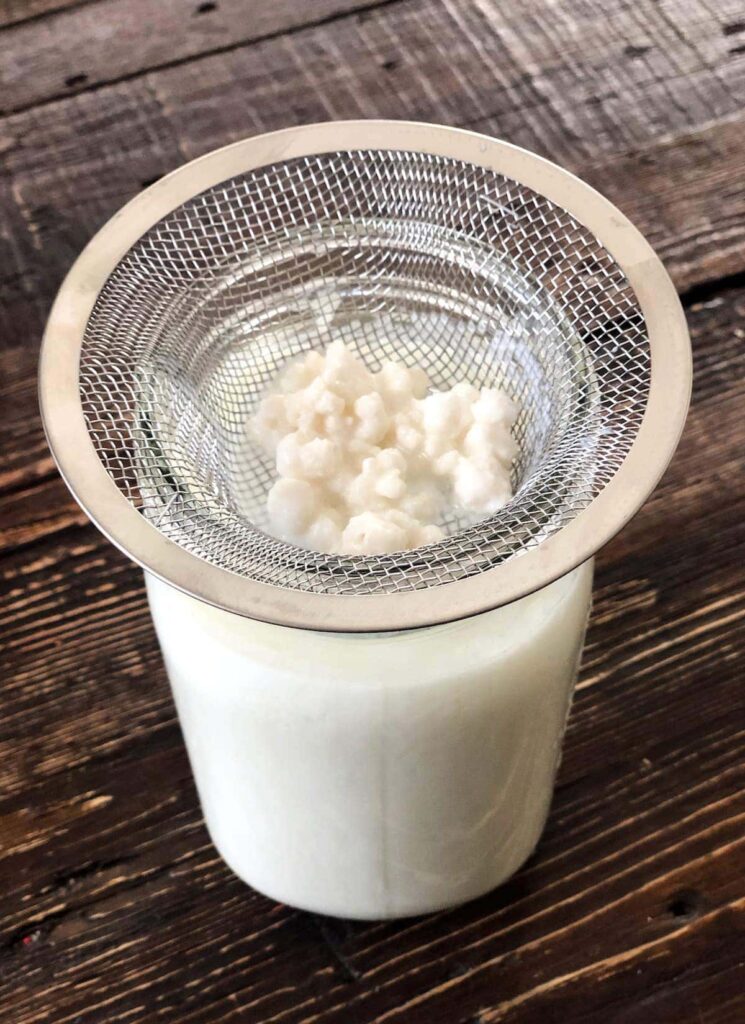
Kefir is a fermented milk drink that contains a mixture of bacteria and yeast. These microorganisms thrive in a polysaccharide matrix, which gives them their unique structure and allows them to ferment lactose into lactic acid. This process creates a thick, creamy texture and a tangy flavor that’s similar to yogurt.
History of Kefir
Kefir has its roots in the Caucasus region of Eurasia, where it was first produced by nomadic tribes in the 6th century AD. The drink was highly valued for its medicinal properties and became a staple in many cultures. In the early 20th century, kefir was introduced to Russia and gained popularity as a health tonic. Today, kefir is enjoyed worldwide as a delicious and nutritious beverage.
The Benefits of Kefir
Kefir has been shown to have numerous health benefits, including:
- Improved gut health: The probiotics in kefir help maintain a healthy balance of gut bacteria, which is essential for immune function and overall well-being.
- Increased immunity: Kefir’s high concentration of antibodies makes it an effective booster of the immune system.
- Enhanced digestion: The enzymes and probiotics in kefir help break down food and absorb nutrients more efficiently.
- Anti-inflammatory properties: Kefir contains anti-inflammatory compounds that may help reduce inflammation and improve overall health.
Where Can I Buy Kefir Granules?
You can find kefir granules on online marketplaces like eBay, where many sellers offer fresh and ready-to-use granules in various quantities. Keep in mind that the quality of these granules can vary depending on the seller, so make sure to choose a reputable source.
Gathering Your Materials
To start making kefir at home, you’ll need a few basic materials:
- A glass bottle with a lid (1 liter capacity)
- A breathable cloth or paper towel
- A thermometer
- A food scale
Preparing the Kefir
Here’s a step-by-step guide to preparing kefir at home:
Step 1: Inoculating the Milk
Add 2 tablespoons of kefir granules to your glass bottle. This is the starting point for creating your kefir, so choose high-quality granules that are fresh and potent.
Step 2: Adding the Milk
Pour in 700 ml (about 28 oz) of milk (whole, low-fat or nonfat, cow’s milk, goat’s milk, or sheep’s milk). Make sure to leave about 1/3 of an inch at the top of the bottle for oxygen flow. You can use any type of milk you like, but whole milk is traditional and produces a richer flavor.
Step 3: Covering and Fermenting
Cover your glass bottle with a breathable cloth or paper towel to prevent contamination and allow the kefir to breathe. Place it in a warm spot, away from direct sunlight and drafts. The fermentation process takes about 8 hours, but you can adjust the time to suit your taste preferences.
Step 4: Filtering
After fermentation, use a fine-mesh strainer or cheesecloth to separate the kefir from any sediment. Discard the solids and transfer the liquid to another container.
Using Your Kefir
You can enjoy your homemade kefir as is, or experiment with different recipes that incorporate this delicious fermented milk drink. Here are a few ideas:
- Smoothies: Combine kefir with frozen fruit, yogurt, and honey for a tasty breakfast smoothie.
- Pancakes: Replace traditional yogurt with kefir in pancake batter for a tangy twist on a classic recipe.
Tips and Variations
Here are some tips and variations to help you get the most out of your homemade kefir:
- Use different types of milk: Experiment with different milks, such as almond milk or coconut milk, to create unique flavor profiles.
- Add flavorings: Try adding vanilla, cinnamon, or other spices to create a delicious and unique flavor.
- Make kefir cheese: Kefir can be used to make a delicious cheese that’s high in protein and probiotics.
Conclusion
Making kefir at home is a simple and rewarding process that allows you to control the quality and ingredients of your fermented milk drink. With the right materials and a little patience, you can enjoy the numerous benefits of kefir in the comfort of your own home.
Here are 8 FAQs about making kefir at home:
- Q: How do I store my homemade kefir?
A: Store your kefir in the refrigerator to slow down fermentation. Shake well before consuming. - Q: Can I make kefir with non-dairy milk alternatives?
A: Yes, but note that the flavor and texture may vary depending on the alternative used. - Q: How often should I feed my kefir granules?
A: Feed your kefir granules every 24 hours to maintain their potency and prevent spoilage. - Q: Can I use store-bought kefir instead of making it from scratch?
A: While you can use store-bought kefir as a starting point, making it from scratch allows you to control the ingredients and fermentation process. - Q: How long does it take for kefir to ferment?
A: The fermentation time will depend on factors such as temperature, milk quality, and desired level of tanginess. - Q: Can I make kefir with different types of milk?
A: Yes, but note that some milks may not be suitable for fermentation (e.g. skim milk). - Q: How do I know if my kefir is fermented properly?
A: Check the consistency and flavor. If it’s too runny or tastes bland, it may not be fermented enough. - Q: Can I share homemade kefir with others?
A: Yes, but make sure to clean and sanitize your equipment thoroughly before sharing.
Additional Resources
For more information on making kefir at home, check out the following resources:
- The Kefir Company
- Amazon’s selection of kefir granules and starter cultures
- “Kefir: The Ferment of Health” by Jane Smith
Join our community on social media to stay up-to-date on the latest news and recipes related to kefir and gut health!
Common Mistakes to Avoid
Here are some common mistakes to avoid when making kefir at home:
- Using old or low-quality kefir granules
- Not adjusting the fermentation time for your desired level of tanginess
- Not storing the kefir properly in the refrigerator
- Sharing homemade kefir with others without proper sanitation
By following these tips and avoiding common mistakes, you can ensure a successful kefir-making experience.
Conclusion
In conclusion, making kefir at home is a simple and rewarding process that allows you to control the quality and ingredients of your fermented milk drink. With the right materials and a little patience, you can enjoy the numerous benefits of kefir in the comfort of your own home. Happy fermenting!


