
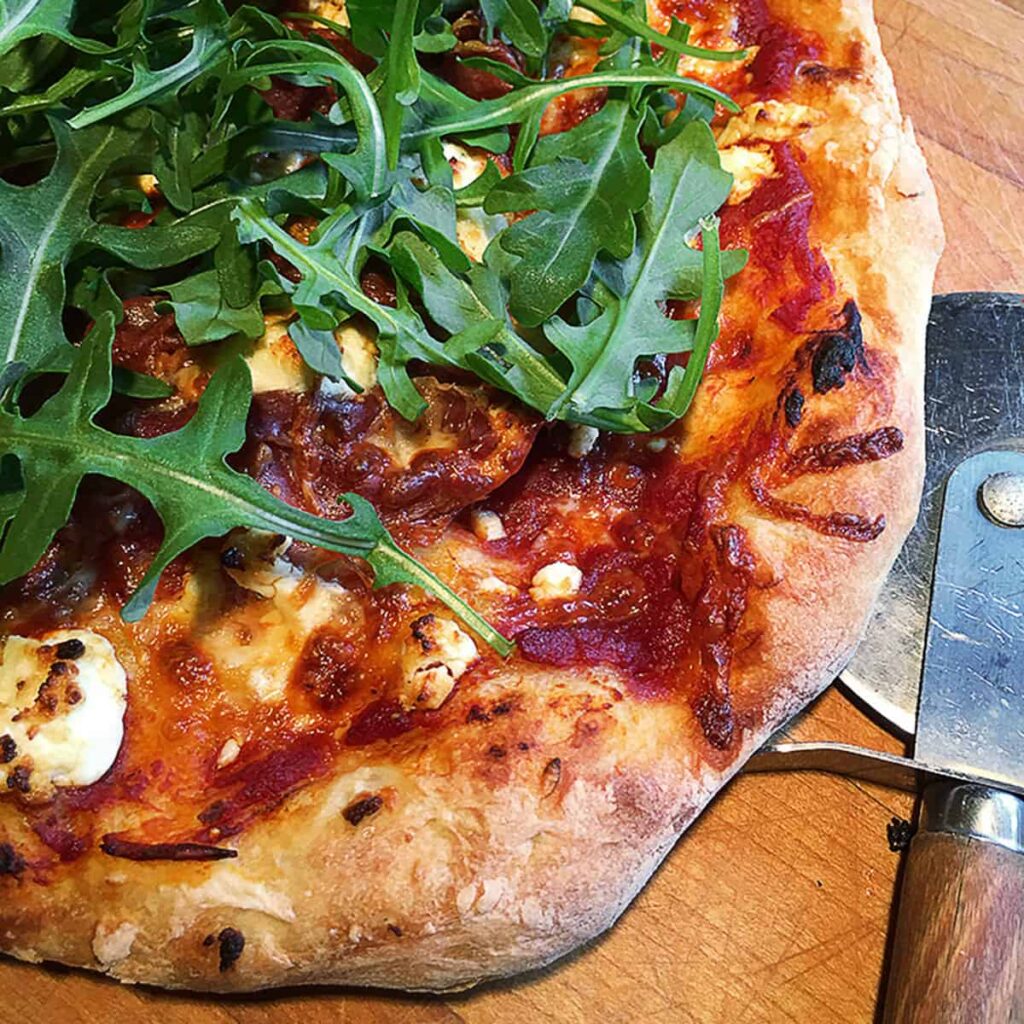
Making a gourmet pizza is not just about tossing some ingredients on a pie and calling it a day. It’s an art form that requires attention to detail, quality ingredients, and a bit of creativity. In this article, we’ll explore the world of gourmet pizza, from its origins to the perfect dough, and provide you with some inspiration for your next homemade masterpiece.
What is Gourmet Cooking?
The term “gourmet” simply means connoisseur. It’s about refined culinary art that goes beyond mass-produced food. When it comes to cooking, gourmet cuisine is all about quality ingredients, flavor profiles, and presentation. It’s not just about throwing some stuff together; it’s about creating a culinary experience.
The Origins of Gourmet Cuisine
Gourmet cuisine has its roots in Italy, where fresh produce, artisanal products, and traditional recipes come together to create unforgettable dishes. However, the term “gourmet” was popularized by American chefs and food writers who sought to elevate the concept of fine dining. In Italy, you’ll find that gourmet cuisine is not a specific movement, but rather an attitude towards cooking.
The Rise of Gourmet Pizza
Gourmet pizza has its own story to tell. It’s an Italian dish that’s been perfected over time, with local ingredients and traditional recipes taking center stage. From the creamy mozzarella to the savory tomato sauce, every element of a gourmet pizza is carefully chosen to create a flavor profile that’s both familiar and exciting.
The Key to Gourmet Pizza: Ingredients
So, what sets gourmet pizza apart from its mass-produced counterparts? The answer lies in the ingredients. Fresh produce, artisanal products, and high-quality meats are just a few examples of the elements that elevate a gourmet pizza to new heights. When it comes to choosing toppings, think local and seasonal; it’s all about creating a flavor profile that’s both authentic and exciting.
Gourmet Pizza Combinations: Inspiration for Your Next Pie
Here are some ideas to get you started:
- Smoked salmon, burrata, and cicoria
- Taleggio cheese, porcini mushrooms, prezzemolo, and mozzarella
- Artichokes and Mozzarella di bufala
- Fiori di latte, dried tomatoes, black olives, and acciughe (anchovies)
Remember, the quality of your ingredients is key to creating a truly gourmet pizza.
Homemade Flour: The Secret to Gourmet Pizza
When it comes to making dough, the type of flour you use can make all the difference. Modern wheat has become impoverished of micronutrients and flavor, but by using ancient grain varieties or purchasing high-quality flours from small mills, you can create a truly artisanal crust.
The Art of Yeast: Lenten and Natural Yeast
When it comes to making dough, yeast is an essential ingredient. But what about lenten and natural yeast? These alternatives offer a more traditional approach to fermentation, allowing you to slow down the process and create a more complex flavor profile.
Getting Started with Gourmet Pizza
Making gourmet pizza is not just about following recipes; it’s about understanding the art of cooking and creating a culinary experience. By using high-quality ingredients, experimenting with new toppings, and mastering the art of yeast fermentation, you can take your pizza game to the next level.
The Science Behind Fermentation: How Yeast Works
Fermentation is the process by which yeast converts sugars into carbon dioxide gas, producing bubbles that cause dough to rise. The type of yeast used can significantly impact the flavor and texture of your pizza crust. Lenten yeast, for example, produces a slower fermentation process that allows for more complex flavors to develop.
Tips for Mastering Fermentation
- Temperature control: Yeast thrives in temperatures between 75°F and 85°F (24°C and 29°C). Keep your fermentation area at this temperature range to ensure optimal yeast activity.
- Salt levels: Salt helps to inhibit the growth of unwanted bacteria and yeast, allowing the desired flavors to develop. Use a moderate amount of salt in your dough recipe.
- Water quality: The type of water you use can impact the flavor of your pizza crust. Use filtered or bottled water to ensure optimal hydration.
The Art of Pizza Topping: Balance and Harmony
When it comes to topping your pizza, balance and harmony are key. Too many toppings can overpower the flavors of each ingredient, while too few toppings can result in a bland pizza. Experiment with different combinations to find the perfect balance for your taste buds.
Gourmet Pizza Pairings: Wine, Beer, and Cocktails
Pairing wine, beer, or cocktails with your gourmet pizza is an art form all its own. Here are some pairing suggestions:
- Wine: A dry white wine such as Pinot Grigio pairs perfectly with the creamy mozzarella and fresh herbs.
- Beer: A light-bodied lager or pale ale complements the bright flavors of fresh vegetables and lean meats.
- Cocktails: A classic Negroni made with gin, Campari, and sweet vermouth is the perfect pairing for a rich and savory pizza.
Conclusion
Gourmet pizza is an art form that requires attention to detail, quality ingredients, and creativity. Whether you’re making a simple Margherita or an original masterpiece, remember that it’s all about creating a culinary experience that’s both authentic and exciting. So go ahead, get creative, and elevate your pizza game with the world of gourmet cuisine.
FAQs
- What is the difference between gourmet cooking and mass-produced food?
Gourmet cooking is all about refined culinary art that goes beyond mass-produced food. It’s about quality ingredients, flavor profiles, and presentation. - Where does gourmet cuisine come from?
Gourmet cuisine has its roots in Italy, where fresh produce, artisanal products, and traditional recipes come together to create unforgettable dishes. - What makes a pizza truly gourmet?
The answer lies in the ingredients. Fresh produce, artisanal products, and high-quality meats are just a few examples of the elements that elevate a gourmet pizza to new heights. - How do I choose the right flour for my homemade pizza dough?
When it comes to making dough, the type of flour you use can make all the difference. Look for high-quality flours from small mills or ancient grain varieties. - What is lenten yeast, and how does it compare to traditional yeast?
Lenten yeast offers a more traditional approach to fermentation, allowing you to slow down the process and create a more complex flavor profile. - How do I get started with making gourmet pizza at home?
Making gourmet pizza is not just about following recipes; it’s about understanding the art of cooking and creating a culinary experience. Start by experimenting with new toppings and mastering the art of yeast fermentation. -
What are some popular combinations for gourmet pizza toppings?
Here are a few ideas to get you started: -
Smoked salmon, burrata, and cicoria
- Taleggio cheese, porcini mushrooms, prezzemolo, and mozzarella
- Artichokes and Mozzarella di bufala
- Fiori di latte, dried tomatoes, black olives, and acciughe (anchovies)
- How can I ensure that my ingredients are of high quality?
When it comes to making gourmet pizza, the quality of your ingredients is key. Look for local and seasonal produce, artisanal products, and high-quality meats.


