
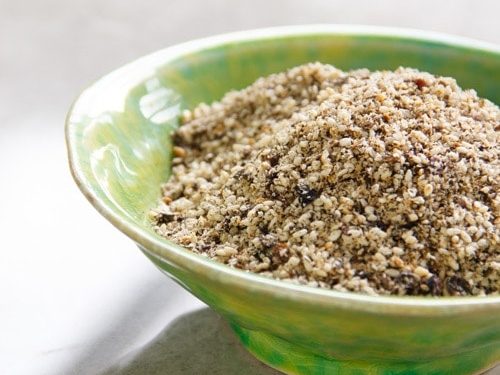
Making gomasio at home can be a fun and rewarding experience, allowing you to control the quality of your ingredients and tailor the flavor to your liking. Here are some additional tips for enhancing your homemade gomasio:
- Experiment with Roast Levels: Adjusting the roast level can significantly impact the flavor profile of your gomasio. Lighter roasts may provide a more delicate taste, while darker roasts can add a richer, nuttier quality.
- 2.Consider Using Different Salt Types: Depending on your personal preferences and dietary needs, you may want to experiment with various salt types, such as Himalayan pink salt or sea salt, to find the one that works best for you.
Tips for Adding Aromatics
When it comes to adding aromatics, the key is to balance the flavors. Here are some popular options:
- Dried Herbs: Thyme, rosemary, and oregano can add a savory, earthy flavor to your gomasio.
- Spices: Cumin, coriander, and paprika can provide a warm, slightly sweet taste.
- Algae-Based Additives: If you’re looking for a more unique flavor, consider adding algae-based additives like spirulina or chlorella.
Using Gomasio in Cooking
Once you’ve prepared your gomasio, the possibilities are endless! Here are some ideas to get you started:
- Salads: Sprinkle gomasio over green salads, pasta salads, or grain bowls for a burst of flavor and nutrition.
- Grilled Meats and Vegetables: Use gomasio as a finishing salt before grilling meats and vegetables for added depth and complexity.
- Rice Dishes: Add gomasio to cooked rice dishes, like stir-fries or curries, for a savory kick.
- Legumes: Sprinkle gomasio over legumes, such as lentils or chickpeas, for a boost of flavor and nutrition.
Conclusion
Making gomasio at home is a simple process that can be tailored to your personal preferences and dietary needs. By experimenting with different ingredients, roast levels, and aromatics, you can create unique flavor profiles that elevate your cooking to the next level.


