
Introduction
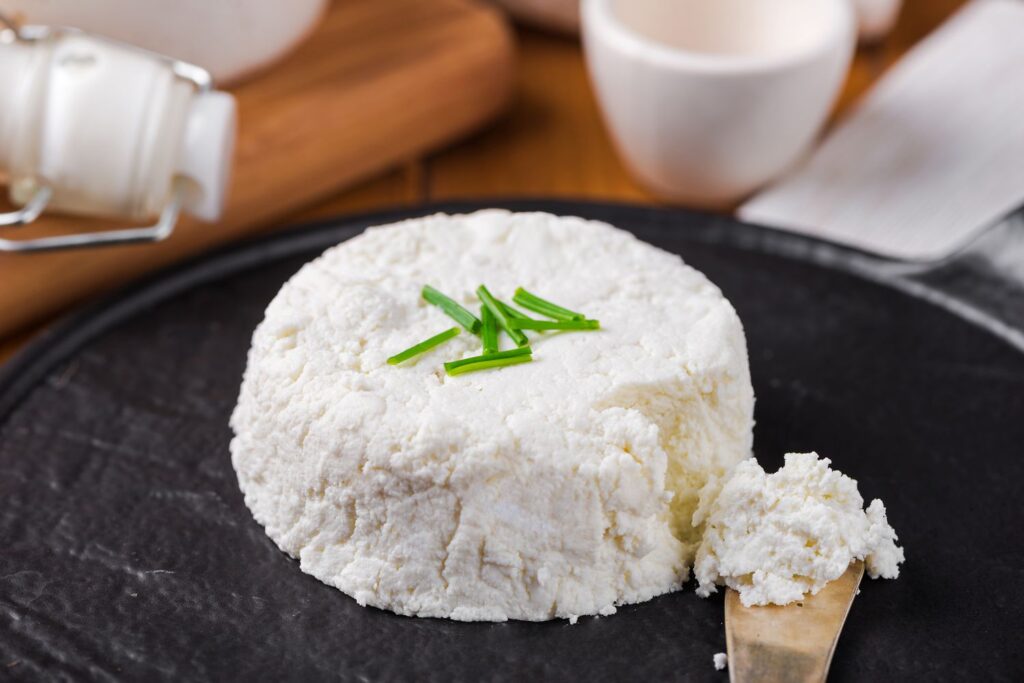
Goat cheese, or “formaggio di capra” as it’s known in Italian, is a staple in many cuisines around the world. Its creamy texture and tangy flavor make it a perfect addition to any dish. But have you ever wondered how to make this delicious cheese from scratch? In this article, we’ll take you through the process of making goat cheese, from preparing the ingredients to enjoying the final product.
Why Make Goat Cheese at Home?
Before we dive into the recipe, let’s talk about why making goat cheese at home is a great idea. For one, it allows you to control the quality and flavor of the cheese. You can also experiment with different herbs and spices to create unique flavor profiles. Plus, making your own cheese can be a fun and rewarding experience.
Gathering Ingredients
To make goat cheese, you’ll need the following ingredients:
- 1 liter of fresh goat’s milk
- Juice from 2 lemons
- 30 ml of apple cider vinegar
- Salt (to taste)
- Optional: herbs and spices (such as origanum, salvia, or mint)
Step 1: Preparing the Milk
Start by heating the goat’s milk to a temperature of around 87°C (203°F). Be careful not to let it boil, as this can cause the milk to scald. Once the milk has reached the desired temperature, add in the lemon juice and apple cider vinegar. Stir gently to combine.
Why Use Lemon Juice?
Lemon juice serves several purposes when making goat cheese:
- It helps to coagulate the milk, creating a solid mass of curds.
- It adds a touch of acidity, which will help to balance out the richness of the cheese.
- It provides a hint of citrus flavor, adding depth and complexity to the final product.
Step 2: Adding Salt
Once the milk mixture has cooled slightly, add in a pinch of salt (about half a teaspoon). Stir again to distribute the salt evenly.
Why Use Salt?
Salt plays an important role when making goat cheese. It helps to:
- Balance out the flavors and textures of the cheese.
- Enhance the overall mouthfeel, creating a creamy and smooth consistency.
- Help to create a more pronounced flavor profile.
Step 3: Creating the Cheese Culture
Next, you’ll need to create a cheese culture using a combination of rennet and heat. Rennet is an enzyme that helps to curdle the milk, creating a solid mass of curds. You can purchase rennet at most health food stores or online. To activate the rennet, stir in a small amount of warm water (about 1/4 cup).
What Is Cheese Culture?
Cheese culture refers to the combination of microorganisms and enzymes that help to ferment and develop the flavor of cheese. In the case of goat cheese, you’ll be using a mixture of bacteria and yeast to create a unique and tangy flavor profile.
Step 4: Curdling the Milk
Allow the mixture to sit for about an hour, or until it has fully curdled and separated into two distinct parts: curds and whey. During this time, you may notice that the milk starts to separate into a clear liquid (the whey) and a solid mass of curds.
What Happens During Curdling?
During the curdling process, the casein proteins in the milk start to bond with each other, creating a network of fibers that trap the fat molecules. This process creates a solid mass of curds, which will eventually become the cheese.
Step 5: Pressing the Cheese
Once the milk has curdled, line a cheesecloth with a clean cotton cloth and place the cheesecloth over a colander. Carefully pour the curds and whey into the lined colander, and let it sit for another hour or two. The pressure of the cheese will help to expel excess liquid.
Why Pressing is Important
Pressing the cheese helps to:
- Remove excess liquid (whey) from the cheese.
- Create a denser, more compact texture.
- Enhance the overall flavor and aroma of the cheese.
Step 6: Shaping the Cheese
After the cheese has sat for the desired amount of time, use your hands to shape it into a ball or log shape. Wrap the cheese in plastic wrap or parchment paper and refrigerate until chilled.
Tips and Variations
Here are some tips and variations you can try:
- Experiment with different herbs and spices to create unique flavor profiles.
- Try using goat’s milk from different breeds for varying levels of creaminess.
- Add a pinch of salt to the cheese culture for extra tanginess.
- Use a food dehydrator to dry out the cheese, creating a crumbly texture.
Conclusion
Making goat cheese at home can be a fun and rewarding experience. With these simple steps and tips, you’ll be well on your way to crafting delicious cheeses that are perfect for snacking, baking, or pairing with your favorite dishes. Happy cheesemaking!
FAQs
Q: How long does it take to make goat cheese?
A: The entire process can take anywhere from 2-4 hours, depending on the desired level of creaminess and flavor.
Q: Can I use different types of milk for making goat cheese?
A: Yes! You can experiment with different breeds of goats or even try using cow’s or sheep’s milk.
Q: How do I store my fresh goat cheese?
A: Wrap the cheese tightly in plastic wrap or parchment paper and refrigerate at 40°F (4°C) or below. Allow it to come to room temperature before serving.
Q: Can I make goat cheese ahead of time?
A: Yes! You can prepare the cheese culture and curdle the milk a day or two in advance, then shape and chill the cheese as needed.
Q: What are some common uses for fresh goat cheese?
A: Fresh goat cheese is perfect for snacking, salads, pasta dishes, pizzas, and baked goods. Enjoy!
Additional Resources
If you’re interested in learning more about making goat cheese or other artisanal cheeses, check out these resources:
- The Goat Cheese Book by Mary M. Schmidt
- Artisanal Cheese Making by Jody Farnham
- Goat’s Milk: Nutrition, Health Benefits and Recipes by David L. Hillman
Cheese-Making Variations
If you’re looking to experiment with different flavors or textures, here are some cheese-making variations to try:
- Garlic and Herb: Add minced garlic and chopped fresh herbs (such as parsley or rosemary) to the curdling mixture for a savory and aromatic flavor.
- Chili and Cumin: Add diced jalapenos or serrano peppers, along with ground cumin and coriander, for a spicy and earthy flavor profile.
- Smoked Cheese: Smoke the cheese over low heat (about 100°F) for several hours to create a rich and smoky flavor.
Common Mistakes to Avoid
When making goat cheese at home, it’s easy to make mistakes that can affect the final product. Here are some common mistakes to avoid:
- Over-heating: Be careful not to overheat the milk, as this can cause the casein proteins to denature and create a grainy or separated texture.
- Under-curdling: Make sure to let the curds sit for long enough (about 1-2 hours) to allow them to fully separate from the whey.
- Over-working: Avoid over-working the cheese, as this can cause it to become tough and dense.
By following these steps and tips, you’ll be well on your way to creating delicious goat cheese at home. Happy cheesemaking!


