
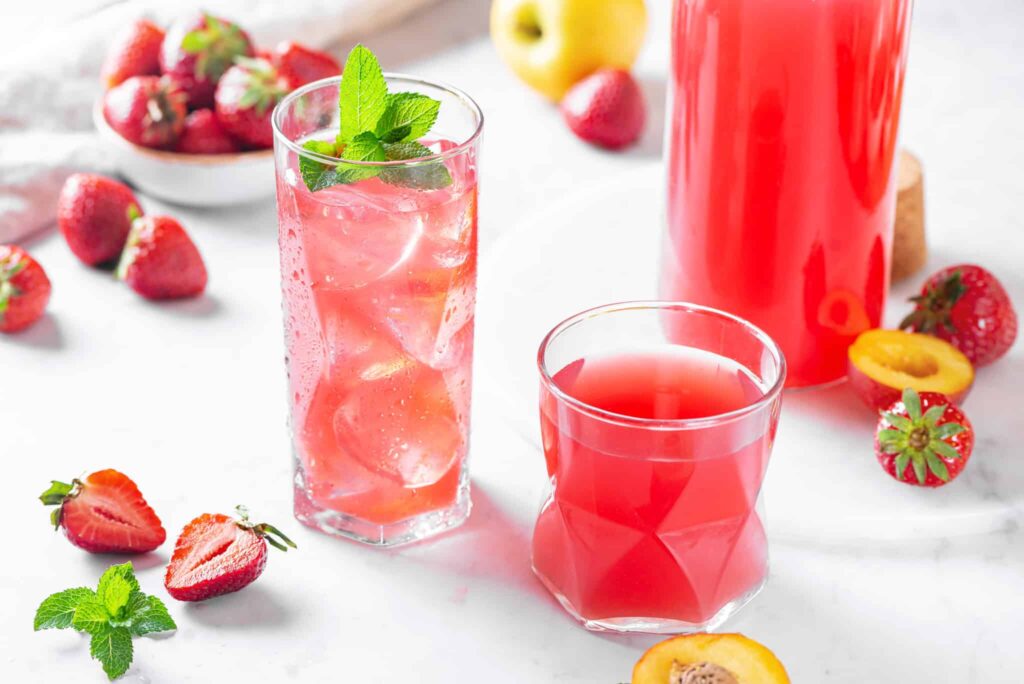
As we begin our day, many of us reach for a refreshing glass of fruit juice from the convenience store. However, have you ever wondered what’s really in those juices? Most commercial juices are loaded with added sugars, preservatives, and artificial flavorings that can be detrimental to our health. That’s why making fresh fruit juices at home is an excellent way to enjoy a delicious, healthy drink while avoiding all the extras.
In this article, we’ll explore the benefits of making your own fruit juice at home, provide two simple recipes for classic fruit juices, and offer tips on conserving and storing your homemade juices. Whether you’re looking to boost your energy levels or simply indulge in a tasty treat, making fresh fruit juices at home is an easy and rewarding process.
Why Make Fresh Fruit Juices at Home?
Before we dive into the recipes, let’s explore some compelling reasons why making your own fruit juice at home is a great idea:
- No added sugars: When you make your own fruit juice, you control the amount of sugar that goes into it. This is especially important for those watching their sugar intake or managing conditions like diabetes.
- Preservative-free: Fresh fruit juices made at home don’t contain any preservatives, ensuring a healthier and safer drinking experience.
- Customization: With fresh ingredients, you can create unique flavor combinations that cater to your taste preferences.
The Benefits of Using a Juicer or Centrifuge
Using a juicer or centrifuge to make fruit juice can be an efficient way to extract the nutrients from fruits and vegetables. Here are some benefits:
- Easy to use: Juicers and centrifuges come with simple operations, making it easy for beginners.
- Fast results: Many of these appliances allow you to create a large quantity of juice quickly.
Recipe 1: Simple Peach Juice
This classic peach juice recipe is perfect for beginners. It’s easy to make and requires minimal equipment.
Ingredients:
- 1 kg of organic peaches (preferably yellow)
- 600 ml of water
- 320 g of sugar
- Juice of half a lemon
Instructions:
- Wash the peaches under cold running water, then chop them into small pieces.
- In a large pot, bring the water and sugar to a boil over medium heat, stirring occasionally.
- Add the chopped peaches to the pot and reduce heat to low, simmering for 10-15 minutes or until they’re tender.
- Remove the pot from the heat and let it cool slightly.
- Strain the mixture through a cheesecloth or fine-mesh sieve into a large bowl, pressing on the solids to extract as much juice as possible.
- Add the lemon juice and stir well.
- Chill the juice in the refrigerator before serving.
Recipe 2: Concentrated Peach Juice
If you prefer a thicker, more concentrated peach juice, this recipe is perfect for you.
Ingredients:
- 800 g of organic peaches
- 100 g of sugar
Instructions:
- Wash and chop the peaches as in Recipe 1.
- In a large pot, combine the chopped peaches and sugar.
- Bring the mixture to a boil over medium heat, stirring occasionally.
- Reduce heat to low and simmer for 10-15 minutes or until the peaches are soft and mushy.
- Remove the pot from the heat and let it cool slightly.
- Strain the mixture through a cheesecloth or fine-mesh sieve into a large bowl, pressing on the solids to extract as much juice as possible.
Tips for Making Delicious Fruit Juices with an Extractor or Centrifuge
If you prefer the convenience of using an extractor or centrifuge to make your fruit juice, here are some tips and ideas:
- Try new combinations: Experiment with unique fruit combinations, like pineapple-apple-mango or strawberry-basil.
- Add a twist: Incorporate spices, herbs, or citrus zest into your juice for added flavor.
Some popular fruits to use in juicers include apples, bananas, grapes, kiwi, melons, and oranges.
Conserving and Storing Your Homemade Juices
Once you’ve made your delicious homemade juices, how do you store them? Here are some tips:
- Bottling: Transfer the juice to clean, sterilized bottles. Seal the bottles tightly and store them in a cool, dark place.
- Refrigeration: Store the juice in the refrigerator for up to 3 days.
- Freezing: Pour the juice into ice cube trays and freeze for later use.
The Nutritional Benefits of Fresh Fruit Juices
While making fresh fruit juices at home is a great way to enjoy a healthy drink, it’s essential to understand the nutritional benefits of your creation. Here are some key points to consider:
- Fiber content: When you make juice from whole fruits and vegetables, you retain most of the fiber content.
- Micronutrient preservation: Fresh fruit juices made at home preserve many micronutrients, such as vitamins and minerals, that can be lost during commercial processing.
However, some nutrients may degrade over time. Consider making your juices fresh daily for optimal nutrient retention.
Making Delicious Fruit Juices with a Cold-Press
Cold-press juicers are a popular choice for those looking to make delicious fruit juices at home. Here’s how you can get the most out of this type of juicer:
- Add some ice: Adding ice will slow down the process and result in a smoother, colder juice.
- Combine with other ingredients: Experimenting with different fruits, vegetables, or herbs can create unique flavor combinations.
Conclusion
Making fresh fruit juices at home is an easy way to enjoy a delicious, healthy drink while avoiding the additives and preservatives found in commercial products. By following these simple recipes and tips, you can create your own tasty and nutritious fruit juices that cater to your unique taste preferences.


