
Are you looking for a way to recycle organic waste and create nutrient-rich compost for your garden or orchard? You’re not alone. With the right techniques and ingredients, making compost at home can be a simple and effective way to reduce waste and promote sustainable gardening practices.
Understanding Compost: A Brief History
Composting has been around for centuries, dating back to ancient China and Egypt. However, it wasn’t until the 20th century that composting became a mainstream practice in developed countries. Today, composting is recognized as an essential tool for reducing waste, conserving resources, and mitigating climate change.
The Benefits of Composting
So, why should you make compost at home? Here are just a few benefits:
- Reduces waste sent to landfills: By composting, you can divert organic materials from the landfill and reduce the amount of waste sent there.
- Conserves water: Compost can help improve soil structure and increase its water-holding capacity, reducing the need for irrigation.
- Creates nutrient-rich soil: Compost is rich in nutrients like nitrogen, phosphorus, and potassium, making it an excellent natural fertilizer for plants.
- Saves money on fertilizer and soil amendments: With compost, you can reduce your reliance on synthetic fertilizers and save money in the process.
Choosing the Right Composting Method
When it comes to composting, there are several methods to choose from. If you have a large amount of space, you may want to consider a traditional compost pile or bin. However, if you live in a small apartment or have limited outdoor space, you may prefer a compact indoor composter.
- Compost Pile: A traditional compost pile is made up of multiple layers of green and brown materials. It’s a great option for those with plenty of space.
- Compost Bin: A compost bin provides a contained environment for your composting efforts. It’s ideal for small spaces or apartments.
- Indoor Composter: Indoor composters are designed specifically for urban dwellers, providing a compact and odor-free solution for composting.
Creating the Perfect Compost Mix
So, what makes a great compost mix? Here are some guidelines:
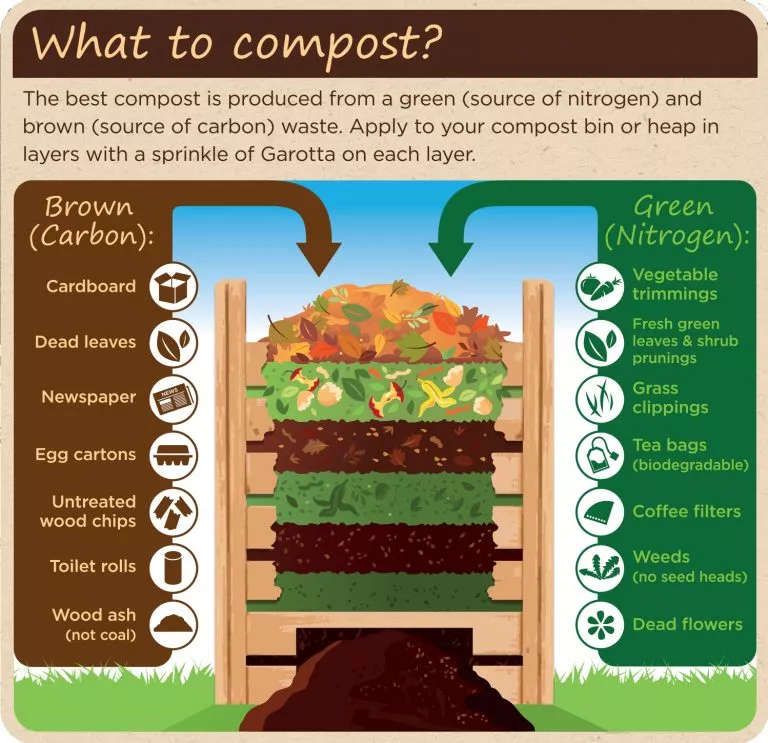
- Green Materials: These include “green” foods like fruit and vegetable scraps, grass clippings, and manure from herbivores. Green materials are rich in nitrogen and help speed up the composting process.
- Brown Materials: These include dried leaves, straw, and shredded newspaper. Brown materials provide carbon-rich nutrients that balance out the green materials.
What to Add to Your Compost
Here are some ingredients you can add to your compost:
- Avanzi Marroni: Dry leaves, potting soil, and wood ash
- Avanzi Verde: Fresh grass clippings, fruit and vegetable scraps, and eggshells
Ingredients to Avoid
While composting is a natural process, there are some ingredients you should avoid adding to your pile. These include:
- Carne, Pesce e Ossa: Meat, fish, and bones can attract pests and create unpleasant odors
- Oli e Grassi: Greasy substances can slow down the composting process
- Letame di Cani, Gatti e Uccelli: Pet waste can contain pathogens that can harm humans and other animals
Tips for Successful Composting
Here are some additional tips to help you get the most out of your composting efforts:
- Maintain Moisture: Keep your compost pile moist, like a damp sponge. This will help speed up the composting process.
- Aerate the Pile: Periodically turn and aerate your compost pile to ensure even decomposition.
- Monitor Temperature: Compost piles can get hot – ideally between 130°F and 140°F. Monitor temperature to ensure it’s within this range.
Conclusion
Making compost at home is a simple and effective way to reduce waste, conserve resources, and promote sustainable gardening practices. By choosing the right composting method and creating a perfect mix of green and brown materials, you can create nutrient-rich soil that promotes healthy plant growth.
Frequently Asked Questions (FAQs)
Q: What is Compost?
A: Compost is a mixture of decomposed organic materials that are rich in nutrients and microorganisms.
Q: Why Should I Make Compost at Home?
A: Composting reduces waste sent to landfills, conserves water, and creates nutrient-rich soil that promotes healthy plant growth.
Q: What Ingredients Can I Add to My Compost?
A: You can add “green” foods like fruit and vegetable scraps, grass clippings, and manure from herbivores. Brown materials include dried leaves, straw, and shredded newspaper.
Q: Can I Make Compost Indoors?
A: Yes, there are several compact indoor composters available that can be used in small spaces.
Q: What Ingredients Should I Avoid Adding to My Compost?
A: Meat, fish, and bones can attract pests and create unpleasant odors. Greasy substances can slow down the composting process.
Q: How Long Does It Take to Make Compost?
A: The length of time it takes to make compost depends on factors like temperature, moisture, and carbon-to-nitrogen ratio. Generally, it can take anywhere from a few weeks to several months for compost to be fully broken down.
Q: Can I Use My Compost as Fertilizer Immediately?
A: No, compost is not ready to use immediately after it’s made. It needs time to mature and break down completely before being used as fertilizer.


