
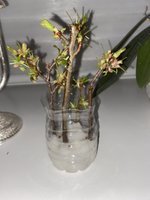
Cherry trees are a favorite among fruit enthusiasts due to their delicious fruit, beautiful flowers, and versatility in cooking and baking. One way to enjoy these benefits is by multiplying your cherry tree using cuttings. Taking cuttings from cherry trees can be a rewarding experience, but it requires careful preparation and attention to detail.
In this article, we’ll explore the best techniques for taking cuttings of cherry trees, including when to do it, how to prepare the cutting, and how to increase its chances of success.
Choosing the Right Time
The ideal time to take cuttings from cherry trees is in spring or late summer. In spring, choose a young, vigorous stem with few leaves and no buds. This will give your new tree the best chance of establishing itself quickly. Taking cuttings in late summer allows you to plant them before the first frost.
Preparing for Cuttings
To increase the chances of success, it’s essential to prepare your cutting properly before planting it. Here are some steps to follow:
- Sterilize your tools: Use a disinfectant to sterilize your pruning shears and other equipment to prevent the spread of disease.
- Cut the stem correctly: Cut the stem at a 45-degree angle, about 1-2 inches from the node (where the leaf meets the stem). This will help the cutting absorb water better.
- Remove lower leaves: Remove any leaves that will be below the soil line to prevent them from rotting.
Planting the Cutting
Once you have your prepared cutting, it’s time to plant it. Here are some steps to follow:
- Mix your rooting medium: Combine a mix of peat moss and perlite or vermiculite.
- Water thoroughly: Water the cutting thoroughly before planting it.
- Plant at an angle: Plant the cutting at an angle, with the node facing upwards.
- Provide adequate moisture: Keep the soil consistently moist but not waterlogged.
Increasing Chances of Success
To increase your chances of success, here are some additional tips:
- Use a rooting hormone: Apply a rooting hormone to the cut end of the stem to stimulate root growth.
- Provide adequate light and temperature: Place the cutting in a bright, cool location with temperatures between 65-75°F (18-24°C).
- Monitor for pests and diseases: Regularly inspect your cutting for signs of pests or diseases.
Multiplication using Polloni
Another way to multiply cherry trees is by separating polloni radicali from the parent tree. This method involves removing the roots of a young shoot (pollone) from its mother plant and potting it up. Here are some steps to follow:
- Identify the right time: Wait until the parent tree is dormant or in late summer.
- Cut the polloni: Cut the polloni at a 45-degree angle, about 1-2 inches from the node.
- Remove lower leaves: Remove any leaves that will be below the soil line to prevent them from rotting.
- Pot up the polloni: Pot the polloni in a well-draining potting mix and water thoroughly.
Challenges and Troubleshooting
Taking cuttings from cherry trees can be challenging, especially if you’re new to propagation. Here are some common challenges and troubleshooting tips:
- Low rooting rate: If your cutting is not rooting after several weeks, check for signs of pests or diseases.
- Inadequate light: If your cutting is not getting enough light, move it to a brighter location or supplement with grow lights.
- Overwatering: If the soil is consistently waterlogged, check the moisture level and adjust accordingly.
Conclusion
Taking cuttings from cherry trees can be a rewarding experience, but it requires careful preparation and attention to detail. By following these tips, you should be able to increase your chances of success and propagate healthy new trees. Happy gardening!
Frequently Asked Questions (FAQs)
Q: What is the best time to take cuttings from cherry trees?
A: The ideal time to take cuttings from cherry trees is in spring or late summer.
Q: How do I prepare my cutting for planting?
A: Sterilize your tools, cut the stem correctly, and remove lower leaves to increase the chances of success.
Q: What rooting hormone should I use?
A: There are several root stimulants available on the market. Choose a product that contains indole-3-butyric acid (IBA) or naphthaleneacetic acid (NAA).
Q: How often should I water my cutting?
A: Water your cutting thoroughly before planting it, and keep the soil consistently moist but not waterlogged.
Q: What are some common pests and diseases that can affect cherry trees?
A: Common pests include aphids, whiteflies, and spider mites. Fungal diseases like powdery mildew and black spot can also affect cherry trees.
Q: How do I separate polloni radicali from their parent tree?
A: Cut the polloni at a 45-degree angle, about 1-2 inches from the node, and remove any leaves that will be below the soil line to prevent them from rotting.


