
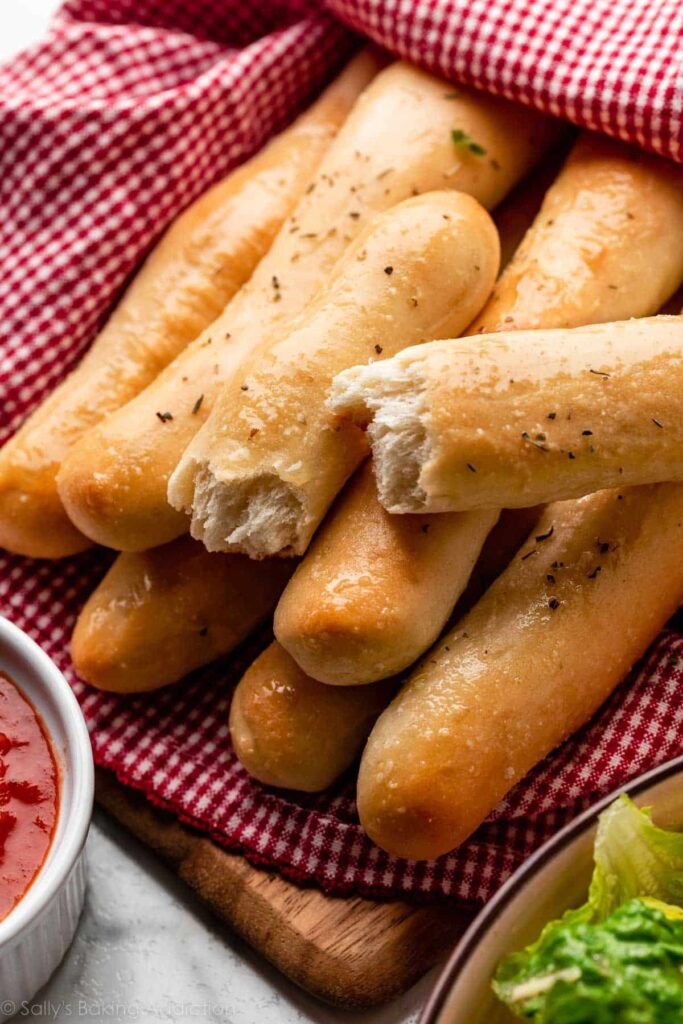
Grissini are a classic Italian breadstick originating from the Piedmont region. They are known for their crunchy texture and rustic flavor, making them a perfect accompaniment to various dishes, including pasta, pizza, and other Mediterranean specialties. In this article, we will explore three different ways to make grissini: using pasta sfoglia, Torinese-style grissini, and grissini with sourdough starter.
The History of Grissini
Grissini have been a staple in Italian cuisine for centuries. The word “grissino” means “little stick” or “stick” in Italian, which refers to the breadstick’s shape. According to legend, grissini were created by Italian peasants as a convenient and filling snack that could be easily taken on-the-go.
Pasta Sfoglia Grissini: A Quick and Easy Recipe
If you’re looking for a quick recipe to make delicious grissini, pasta sfoglia grissini is an excellent option. This recipe uses pre-made pasta sfoglia dough, which can be found in most Italian grocery stores or online.
Ingredients:
- 230g of pasta sfoglia rectangle
- 20g of concentrated tomato sauce or ketchup
- Parmesan cheese (as much as you like)
- Origano (as much as you like)
- Salt and pepper
Instructions:
- Cut the pasta sfoglia into strips of about 3 cm.
- Brush with tomato sauce concentrate.
- Add salt and pepper.
- Add origano.
- Roll up the strips in a spiral shape.
- Bake in oven at 200°C for about 15 minutes.
Torinese-Style Grissini: A Traditional Recipe
Torinese-style grissini are known for their crispy texture and classic shape. This recipe requires a longer rising time, but the end result is well worth the effort.
Ingredients:
- 300g of Manitoba flour
- 170ml of water
- 8g of brewer’s yeast
- 1 teaspoon of malted barley flour (about 2 grams)
- 7g of salt
- 3 tablespoons of extra virgin olive oil
- 50g of semolina hard wheat
Instructions:
- Dissolve the brewer’s yeast in water and add malted barley flour.
- In a bowl, gather the sifted flour and gradually incorporate the water.
- Add oil and salt, knead until you get a soft dough.
- Place the dough in a warm environment and let it rest for 70-90 minutes.
- Cut out pieces of pasta about 12-15 grams each.
- Perform gentle strokes and avoid overworking the grissini dough.
- Roll out the pieces in semolina and then gently pull to give them the classic shape of Torinese-style grissini.
- Arrange the cordoncini on a baking sheet lined with parchment paper.
- Bake in preheated oven at 220°C until they are perfectly golden.
Grissini with Sourdough Starter: A Natural Leavening Option
If you want to make grissini without brewer’s yeast, sourdough starter is an excellent alternative. This recipe requires a natural leavening process, which can take longer than traditional recipes.
Ingredients:
- 300g of flour
- 90g of sourdough starter (or vinegar)
Instructions:
- Follow the instructions for making Torinese-style grissini using sourdough starter instead of brewer’s yeast.
- Sprinkle the surface with sesame seeds before baking.
Tips and Variations
- To add flavor to your grissini, try using garlic powder, fresh parsley, dried tomatoes, or other scents that please your palate.
- Grissini can be flavored with various herbs and spices, such as thyme, coarse salt, smoked salt, or other aromas according to your taste.
- Experiment with different types of flour, such as whole wheat or semolina, to create unique flavor profiles.
Choosing the Right Flour
When it comes to making grissini, choosing the right type of flour is crucial. Here are some tips to help you select the best flour for your recipe:
- Manitoba flour: This type of flour is ideal for making Torinese-style grissini, as it has a high protein content and will give your breadstick a crispy texture.
- Semolina hard wheat: Semolina is a great choice for making grissini with sourdough starter. The coarse texture will help to create a crunchy exterior and a soft interior.
- Whole wheat flour: Whole wheat flour can be used to make grissini, but it may result in a slightly denser breadstick.
Common Mistakes to Avoid
When making grissini, there are several common mistakes that can ruin the entire process. Here are some tips to help you avoid these mistakes:
- Overworking the dough: Overworking the dough can lead to tough and dense breadsticks.
- Not letting the dough rest long enough: Not letting the dough rest for at least 60 minutes will result in a poor rise and weak grissini.
- Baking at too low a temperature: Baking grissini at too low a temperature will not give them the crispy texture they need.
Conclusion
Making grissini is an art that requires patience, skill, and attention to detail. Whether you choose to make pasta sfoglia grissini, Torinese-style grissini, or grissini with sourdough starter, the end result will be a delicious and crunchy breadstick that complements any meal.
Frequently Asked Questions
Q: What is the best way to store grissini?
A: Grissini can be stored at room temperature for up to 3 days or frozen for up to 2 months.
Q: Can I make grissini without a sourdough starter?
A: Yes, you can make grissini using traditional yeast or other natural leavening agents.
Q: How do I shape grissini into the classic Torinese-style shape?
A: To shape grissini into the classic shape, roll out the dough into a thin sheet and then gently pull it to create the characteristic cordoncini shape.
Q: Can I use different types of flour to make grissini?
A: Yes, you can experiment with different types of flour, such as whole wheat or semolina, to create unique flavor profiles.
Q: How do I bake grissini for the perfect texture?
A: To achieve the perfect texture, bake grissini in a preheated oven at 200°C (400°F) for about 15-20 minutes, depending on the size and thickness of the breadsticks.


