
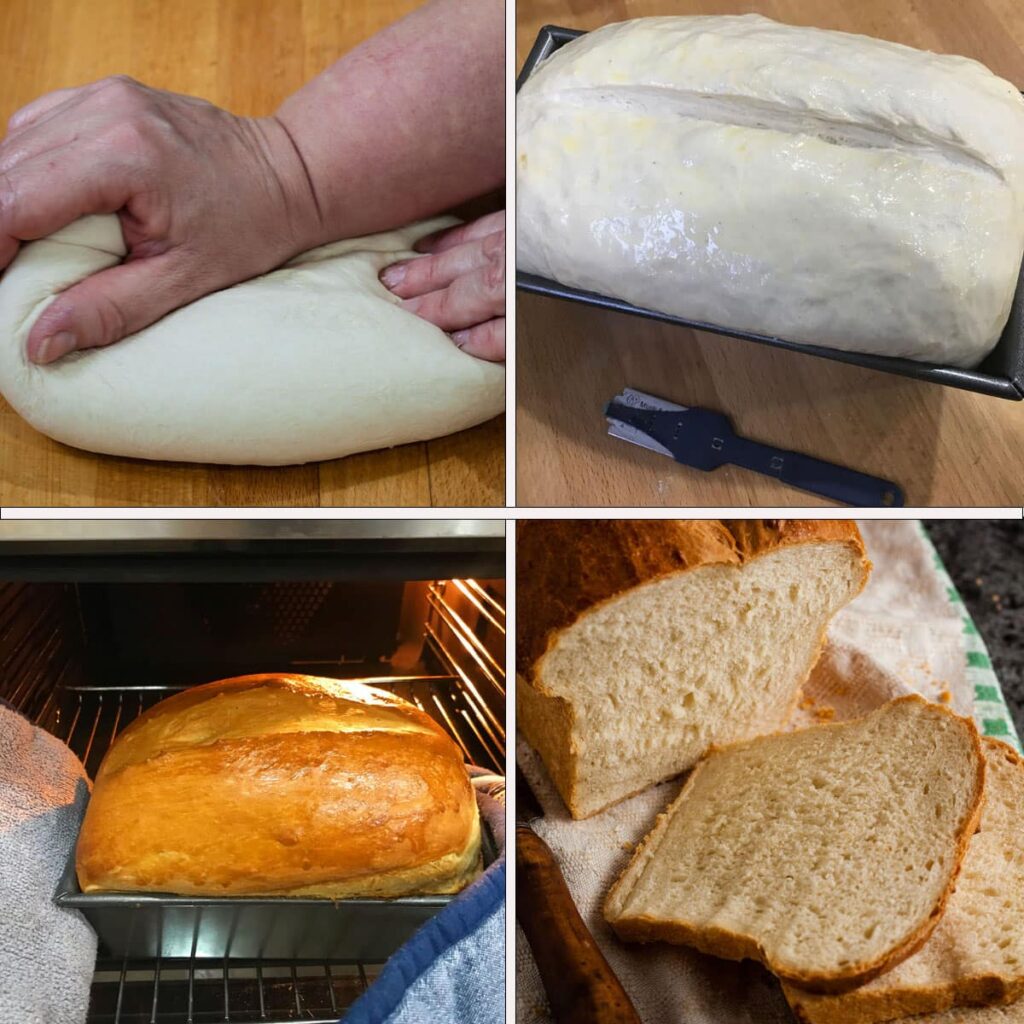
Making bread at home is an art that requires patience, skill, and a bit of practice. With the right ingredients and techniques, you can create delicious, crusty loaves that rival those found in bakeries. In this article, we’ll cover the basics of making bread from scratch, including the importance of ingredients, preparation methods, and storage tips.
Why Make Bread at Home?
There’s something special about biting into a freshly baked loaf of bread, feeling the softness of the interior and the crunch of the crust. Making bread at home allows you to control the ingredients, texture, and flavor, making it a truly unique experience. Plus, there’s something satisfying about watching your hard work come together in the oven.
The Importance of Ingredients
When it comes to making bread, the quality of your ingredients is paramount. Here are some tips for selecting the best flour, yeast, salt, and water:
- Flour: Choose a high-quality, unbleached flour that’s suitable for bread-making. Consider using a combination of all-purpose and whole wheat flours for added nutrition and flavor.
- Yeast: Opt for active dry yeast or sourdough starter for the most complex flavors. Yeast is responsible for fermentation, which converts sugars into carbon dioxide and ethanol, causing dough to rise.
- Salt: Use a flaky, sea salt or kosher salt to add depth and texture. Salt enhances flavor and helps control yeast growth.
- Water: Use filtered water or spring water to ensure optimal hydration. Water content affects yeast activity and dough development.
Basic Bread Recipe
Here’s a simple recipe for making bread at home:
Ingredients:
- 2 cups of flour
- 1 teaspoon of yeast
- 1 teaspoon of salt
- 1 tablespoon of sugar
- 1 cup of warm water
Instructions:
- Combine dry ingredients (flour, yeast, and salt) in a large bowl.
- Gradually add warm water while mixing until dough forms.
- Knead the dough for 10-15 minutes, until smooth and elastic.
- Place dough in a lightly oiled bowl, cover with plastic wrap, and let rise in a warm place for 1 hour.
- Preheat oven to 400°F (200°C).
- Punch down dough and shape into desired form.
- Bake for 20-30 minutes or until golden brown.
Tips for Achieving the Perfect Crust
The perfect crust is all about finding the right balance of crunch and chewiness. Here are some tips to help you achieve this:
- Use a hot oven (500°F/260°C): A high-temperature oven will give your bread a crispy, golden-brown crust.
- Score the bread with a sharp blade or lame: Scoring the bread before baking creates steam pockets, resulting in a more evenly baked loaf.
- Brush the crust with egg wash or water glaze: Brushing the crust with egg wash or water glaze adds shine and enhances flavor.
Levain and Yeast: Understanding the Science
Understanding how levain and yeast work together is essential for creating delicious, complex bread. Here’s a brief primer:
- Levain: A mixture of flour and water that’s allowed to ferment, producing lactic acid and CO2.
- Yeast: Microorganisms that consume sugars and produce CO2 and ethanol.
Bread Storage Tips
Proper storage is essential for maintaining the freshness and quality of your homemade bread. Here are some tips:
- Store in a cool, dry place: Store bread in a cool, dry location to prevent drying out.
- Wrap in plastic wrap or aluminum foil: Wrap bread tightly to prevent moisture loss and maintain freshness.
- Freeze for longer-term storage: Freezing is an excellent way to preserve bread for extended periods.
Common Mistakes and Solutions
Making bread at home is not without its challenges. Here are some common mistakes and their solutions:
- Overmixing: Avoid overworking the dough, as this can lead to tough, dense bread.
- Underproofing: Make sure your dough has time to rise and develop flavor.
- Overbaking: Monitor your oven temperature and baking time to prevent overcooking.
Creating Different Types of Bread
While making basic white bread is a great starting point, experimenting with different types of flour and ingredients can help you create unique, delicious breads. Here are some ideas:
- Whole Wheat Bread: Replace up to 50% of all-purpose flour with whole wheat flour for added nutrition.
- Sourdough Bread: Create your own sourdough starter by mixing equal parts flour and water in a container, allowing it to ferment for several days.
- Focaccia Bread: Add olive oil, rosemary, or other herbs to the dough for an Italian-inspired flatbread.
Tips for Baking Perfect Focaccia
Focaccia is an excellent bread for beginners because it’s relatively easy to make and has a soft, pillowy texture. Here are some tips:
- Use a pizza stone: Preheat your oven with a pizza stone inside to create a crispy crust.
- Add herbs and spices: Mix in olive oil, rosemary, or other herbs into the dough for added flavor.
- Bake until golden brown: Focaccia is done when it’s lightly golden brown on top.
Conclusion
Making bread at home is an art that requires patience, practice, and dedication. With the right ingredients, techniques, and tips, you can create delicious, crusty loaves that rival those found in bakeries. From simple white bread to complex sourdoughs, experimenting with different types of flour and ingredients will help you find your perfect loaf. Happy baking!


