
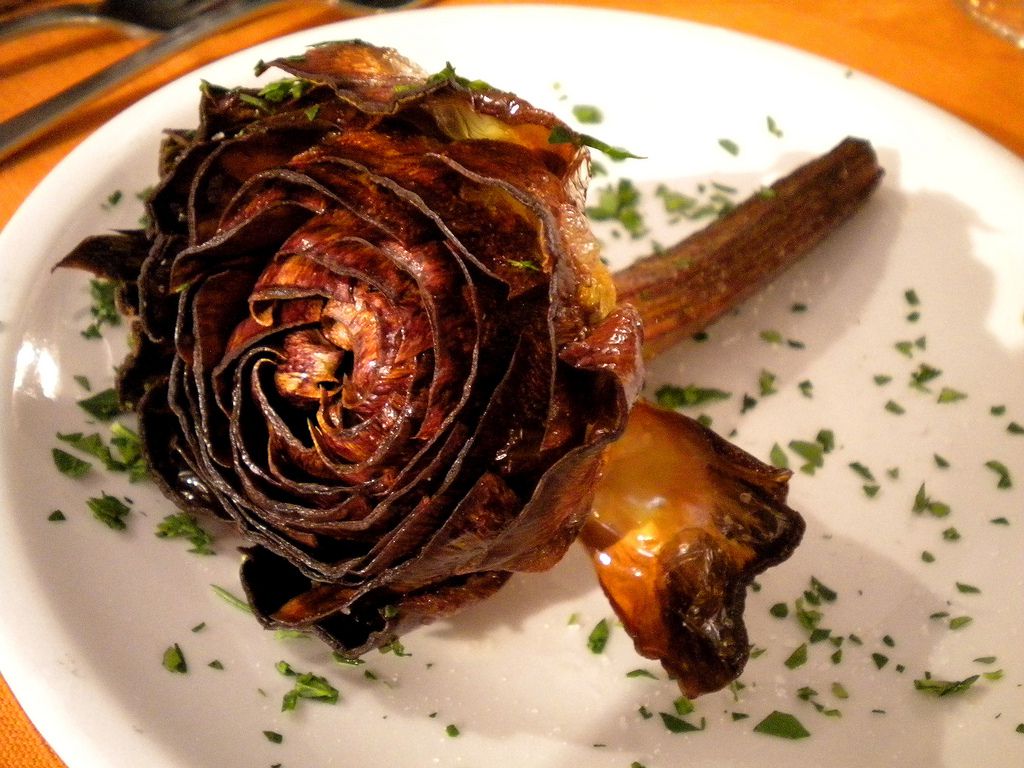
As we delve into the world of artichokes, let’s uncover a traditional recipe that has been passed down through generations – the classic Jewish Roman-style artichoke dish. This recipe is steeped in history and is a testament to the rich culinary heritage of the Jewish community.
A Brief History of Artichokes alla Giudia
Artichokes alla giudia, or Jewish Roman-style artichokes, have their roots in traditional Jewish cuisine. The original recipe dates back to the 16th century, and it’s believed to have originated in the Jewish ghetto of Rome. Today, this dish remains a staple in many Italian restaurants, particularly in Rome.
According to historical records, the Jewish community in Rome was known for its culinary creativity, often incorporating local ingredients into traditional dishes. Artichokes alla giudia is a prime example of this fusion, showcasing the versatility and flavor of artichokes in a way that has become synonymous with Roman cuisine.
The Significance of Artichokes alla Giudia
For the Jewish community, artichokes alla giudia played a significant role in their culinary traditions. In fact, it was traditionally served during the holiday of Yom Kippur, which is a 24-hour period of fasting and prayer. The dish served as a symbol of nourishment and sustenance after a day of fasting.
In Jewish tradition, artichokes were considered a luxury food, reserved for special occasions like holidays and celebrations. By incorporating artichokes into their traditional dishes, the Jewish community was able to elevate their culinary traditions and showcase their creativity.
Choosing the Right Artichokes
To prepare artichokes alla giudia like a pro, you need to select the right variety of artichoke. Traditional Roman-style artichokes are known for their tender flesh and lack of spines and hair. These artichokes, also called Mammole or Cimaroli Romaneschi, are ideal for this recipe.
When selecting artichokes, look for those that are firm and heavy for their size. Avoid artichokes with brown or wilted leaves, as they may not be suitable for cooking. Fresh artichokes are always preferred over frozen or canned options, as they offer a more tender and flavorful texture.
Preparing the Artichokes
Before cooking, it’s essential to clean and prepare the artichokes. Remove the outer leaves, which can be tough and fibrous. Cut off the tip of the stem and trim the leaves to create a smooth surface. Soak the artichokes in water with lemon juice for 20 minutes to prevent browning.
To remove the spines from the artichoke leaves, carefully pull them apart at the base of each leaf, then use your fingers or a small knife to scrape away the spines. Rinse the artichokes under cold water to remove any remaining debris.
Searing the Artichokes
Heat a large skillet over medium heat and add olive oil. Once hot, add the artichokes one by one, leaving space between each piece. Sear the artichokes until golden brown on both sides. This step is crucial in achieving the perfect texture.
It’s essential to sear the artichokes at the right temperature, as this will help create a crispy exterior and tender interior. If the heat is too high, the outside may burn before the inside is cooked through. Conversely, if the heat is too low, the artichokes may not develop enough browning.
Finishing Touches
After searing the artichokes, sprinkle them with salt, pepper, and a pinch of red pepper flakes for added flavor. Some recipes also include chopped fresh parsley or prezzemolo for an extra burst of freshness.
To add an authentic touch to your dish, serve the artichokes with a squeeze of lemon juice and a side of olive oil. This will not only enhance the flavors but also provide a refreshing contrast to the rich texture of the artichokes.
Using the Artichoke Scraps
Don’t waste those leftover artichoke scraps! Use them to make a delicious crema by sautéing the leaves with garlic and cream. Simply chop the remaining artichoke leaves, combine them with minced garlic, and a splash of heavy cream. Simmer the mixture over low heat until it thickens into a rich and creamy sauce.
This artichoke crema is an excellent way to repurpose leftover artichokes and create a new dish that’s both delicious and nutritious. You can serve it alongside your seared artichokes or use it as a topping for pasta, pizza, or salads.
A Recipe Fit for Royalty
This traditional Jewish Roman-style artichoke recipe is a true gem, passed down through generations. With its rich history and flavorful ingredients, it’s sure to delight your taste buds.
Whether you’re a seasoned chef or an enthusiastic home cook, this recipe offers the perfect opportunity to explore the world of artichokes and experience the culinary traditions of the Jewish community.
Frequently Asked Questions
Q: What type of artichokes are best suited for this recipe?
A: Traditional Roman-style artichokes, also called Mammole or Cimaroli Romaneschi, are ideal for this recipe.
Q: How long do I soak the artichokes in water with lemon juice?
A: Soak the artichokes for 20 minutes to prevent browning and make them easier to clean.
Q: What is the secret to achieving a crispy exterior and tender interior?
A: Seared at the right temperature, the artichokes will develop a golden-brown crust on the outside while remaining tender within.
Q: Can I use frozen artichokes for this recipe?
A: While you can use frozen artichokes, they may not have the same texture as fresh ones. Fresh artichokes are always preferred for their tender flesh and lack of spines and hair.
Q: How do I store leftover artichoke scraps?
A: You can store them in an airtight container in the refrigerator for up to 24 hours or freeze them for later use.
Q: Can I add other ingredients to the recipe?
A: While traditional recipes call for simple seasoning, you can experiment with other flavors and spices to suit your taste preferences.
Q: Is this recipe suitable for vegan diets?
A: No, this recipe contains olive oil and may include animal products like pancetta or cream. However, you can easily substitute these ingredients with vegan alternatives.
Q: How do I cook artichokes alla giudia without deep-frying?
A: You can bake the artichokes in a preheated oven at 400°F (200°C) for about 30 minutes, or until tender and golden brown.


