
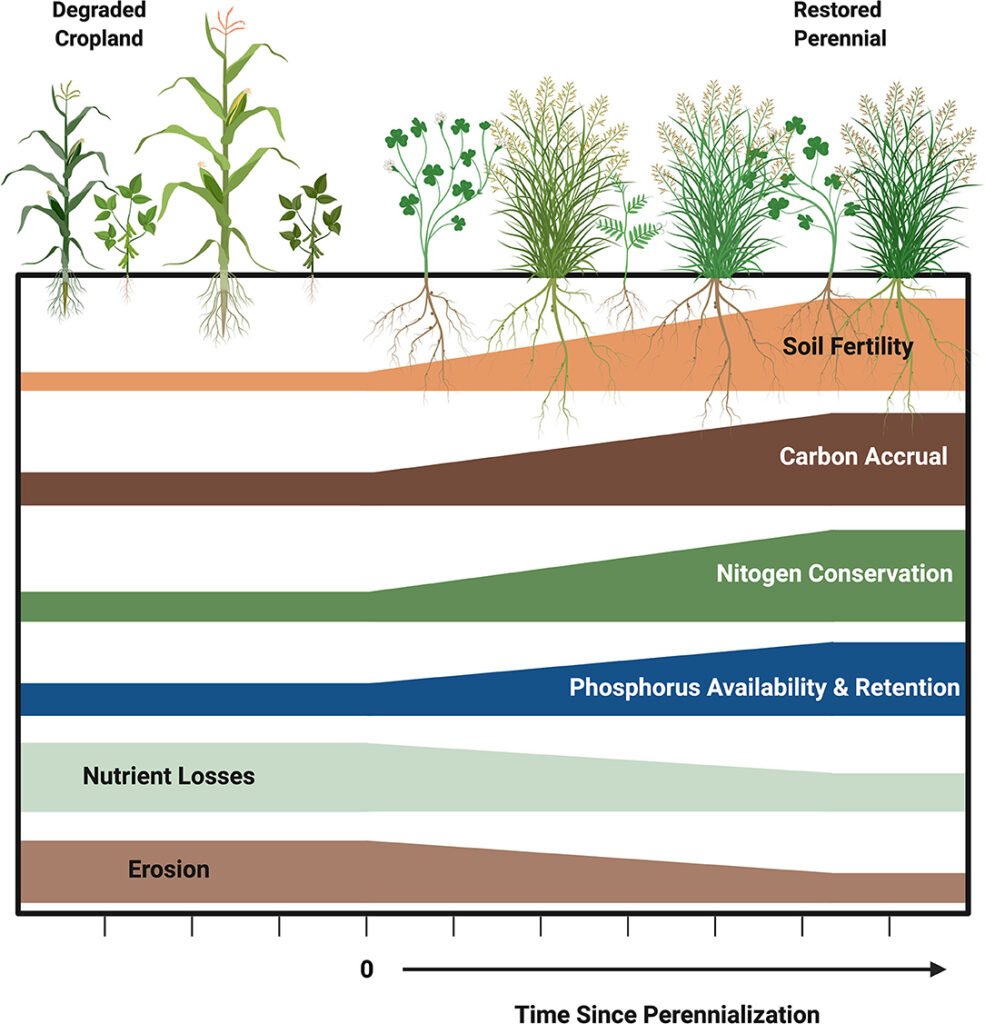
When the land is dry, there’s little to do but take drastic measures to revive it. In this article, we’ll explore the best practices for transforming an arid landscape into a fertile haven.
Why is My Land So Dry?
A parched piece of land often indicates neglect over time. If your garden or yard is looking desolate, don’t worry – with the right approach, you can restore it to its former glory. But first, understand why your land has become so barren:
- Too much sun and wind exposure
- Inadequate irrigation
- Soil composition (sandy, rocky, or too compacted)
Understanding Soil Composition:
Before we dive into the solution, it’s essential to recognize that a barren soil can be more than just a lack of nutrients. It might be:
- A sandy ground with limited water-holding capacity
- A limestone-rich soil with high pH levels
- A soil with too much “skeleton,” featuring rocks and pebbles
How to Revive a Barren Land:
Reviving a parched land requires a multi-step approach. Here’s what you need to do:
Step 1: Prepare the Ground (4 Operations)
Use a robust rototiller or a small tractor with attachments to loosen the soil to at least 15 cm in depth.
- Sandy ground: Be extra cautious when handling sharp objects, like rocks and pebbles. Wear protective gear to avoid injury.
- Rocky terrain: If you notice any metal sounds while using the rototiller, immediately stop and manually remove the obstacle with a shovel or pickaxe.
Step 2: Apply Organic Matter
After completing the four operations, spread the following amounts of organic matter per square meter:
| Material | Quantity |
|---|---|
| Mature compost (or well-rotted manure) | 5 kg |
| Worm castings (or mature compost alternative) | 3 kg |
| Garden soil amendment (compost or humus) | 2 kg |
Step 3: Rake and Mix
Perform two more operations with the rototiller to thoroughly mix the organic matter into the soil.
Step 4: Irrigate and Allow Time for Recovery
Water the land using a fine misting system, alternating nights for a period of ten days. This will help rehydrate the soil.
When Can I Plant?
After completing these steps, you can start planting within 15-20 days from the last operation with the rototiller. For optimal results:
- Choose low-maintenance plants that thrive in arid conditions
- Select aromatic legumes, drought-tolerant shrubs, or native Australian flora
Choosing the Right Plants for Your Land:
Not all plants are suitable for barren lands. When selecting plants, consider their adaptability to dry environments and your specific climate.
Types of Plants Suitable for Barren Lands:
- Drought-Tolerant Vegetables: Planting vegetables that can withstand droughts will ensure a steady harvest.
- Arboreal Species: Trees are an excellent option for barren lands, offering shade and improving soil quality over time.
- Herbs and Flowers: Adding herbs and flowers will enhance your garden’s aesthetic appeal and provide additional benefits like pest control.
Additional Tips and Recommendations:
If you have a dry area that’s suitable for an elevated garden bed (orto rialzato), consider installing this instead. You can also explore alternative solutions to address soil issues.
Frequently Asked Questions
Q: What’s the ideal ratio of organic matter to soil?
A: A 1:2 or 1:3 mix of compost/humus to garden soil is recommended.
Q: How often should I irrigate my newly restored land?
A: Water your land lightly but frequently, allowing it to recover and absorb nutrients.
Q: What types of plants are suitable for arid environments?
A: Drought-tolerant shrubs like olive trees or native Australian flora work well in dry areas.
Innovative Strategies:
Consider incorporating new methods and tools into your gardening routine:
- Soil remediation: Apply natural soil remediation techniques to address specific issues.
- Drip irrigation systems: Install a drip irrigation system for optimal water distribution and efficiency.
Gardening Tips and Tricks
Stay informed about the latest gardening trends and best practices by following our social media platforms.


