
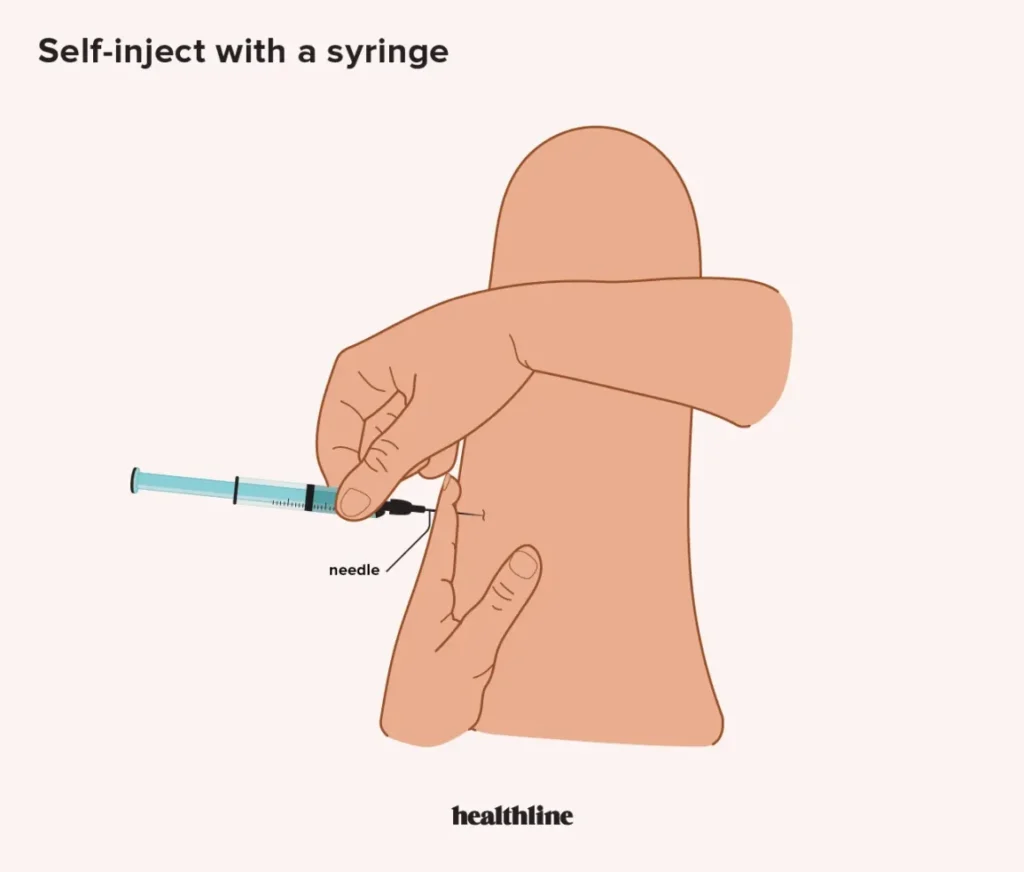
Intramuscular injections, also known as IM injections, are a widely used method of administering medications. This technique involves injecting a medication directly into the muscle, which allows for faster absorption compared to subcutaneous or oral administration.
While it may seem straightforward, performing an intramuscular injection requires careful consideration and expertise. In this article, we will delve into the world of IM injections, exploring the different sites of injection, proper techniques, and best practices.
2. Choosing the Right Injection Site
There are five common sites for intramuscular injections:
- Deltoid muscle: Located in the upper arm, this site is often used for adults.
- Vastus lateralis: Situated on the outer thigh, this site is commonly used for children and adults.
- Rectus femoris: Found on the front of the thigh, this site is typically used for adults who have difficulty accessing the deltoid muscle.
- Gluteal muscle: Located in the buttocks, this site is often used for infants and children.
- Ventrogluteal muscle: Situated in the upper buttocks, this site is commonly used for adults.
When selecting an injection site, healthcare professionals consider factors such as age, weight, and medical history. It’s essential to choose a site that minimizes the risk of complications and ensures proper medication absorption.
3. The Proper Technique for Intramuscular Injections
The technique involves inserting the needle at a 90-degree angle with the dominant hand, using a rapid and decisive motion. However, modern best practices recommend the “Z-tracked” method, which helps to reduce discomfort and ensure accurate placement.
To perform an IM injection using this technique:
- Cleanse the skin with an antiseptic solution.
- Identify the target muscle using ultrasound or palpation (feeling with the hands).
- Insert the needle at a 90-degree angle, with the dominant hand guiding the motion.
- Once the medication is administered, withdraw the needle quickly and carefully.
4. The Correct Volume of Medication
The volume of medication used in an intramuscular injection depends on the site of injection and individual patient needs. Generally, adults should not receive more than 5 milliliters (mL) of medication at a time.
When selecting a medication volume, healthcare professionals consider factors such as:
- Age and weight
- Medical condition and comorbidities
- Medication strength and formulation
It’s essential to follow established guidelines for medication administration to ensure safe and effective treatment.
5. The Importance of Proper Needle Length
The length of the needle used for intramuscular injections is not a critical factor in reducing pain or discomfort. However, it does play a role in ensuring accurate placement and minimizing the risk of complications.
Healthcare professionals should use needles that are specifically designed for IM injections, taking into account factors such as:
- Material (gauge and type)
- Length
- Bevel angle
Using proper needle length and technique can help reduce discomfort and ensure effective medication absorption.
6. Best Practices for Intramuscular Injections
To ensure safe and effective treatment, healthcare professionals should follow established best practices when performing intramuscular injections. This includes:
- Using sterile equipment and techniques
- Following established guidelines for medication administration
- Monitoring patients for potential complications
- Documenting injection procedures and outcomes
By following these guidelines, healthcare professionals can minimize the risk of complications and ensure effective treatment.
7. Common Complications and Contraindications
Intramuscular injections can be associated with several complications, including:
- Pain and discomfort
- Infection
- Allergic reactions
- Nerve damage
Healthcare professionals should be aware of these potential risks and contraindications when selecting injection sites and administering medications.
Some common contraindications for intramuscular injections include:
- Skin lesions or ulcers
- Recent trauma or surgery
- Bleeding disorders
- Cancer or tumors in the target area
Healthcare professionals should carefully evaluate patients’ medical histories and physical conditions before performing an IM injection.
8. Injection Sites by Age Group
The choice of injection site depends on age group and individual patient needs. Here are some general guidelines:
- Infants (0-12 months): Gluteal or vastus lateralis muscle
- Children (1-12 years): Vastus lateralis or gluteal muscle
- Adults: Deltoid, vastus lateralis, rectus femoris, or ventrogluteal muscle
Healthcare professionals should consider age-specific factors when selecting an injection site to minimize the risk of complications.
9. Medication Absorption and Distribution
Intramuscular injections allow for faster medication absorption compared to subcutaneous or oral administration. However, the distribution of medications can vary depending on individual patient needs and medical conditions.
Healthcare professionals should be aware of factors that influence medication absorption and distribution, including:
- Age and weight
- Medical condition and comorbidities
- Medication strength and formulation
10. Conclusion
Intramuscular injections are a widely used method of administering medications. By following established best practices, healthcare professionals can minimize the risk of complications and ensure effective treatment.
When selecting an injection site, healthcare professionals should consider age group, individual patient needs, and potential contraindications. The proper technique, volume of medication, and needle length also play critical roles in ensuring safe and effective treatment.
By understanding the intricacies of intramuscular injections, healthcare professionals can provide high-quality care to their patients and ensure optimal outcomes.
Frequently Asked Questions (FAQs)
- What is an intramuscular injection?
- An intramuscular injection involves injecting a medication directly into the muscle.
- Why are IM injections used?
- IM injections allow for faster medication absorption compared to subcutaneous or oral administration.
- What sites are commonly used for IM injections?
- The most common sites for IM injections include:
- Deltoid muscle
- Vastus lateralis
- Rectus femoris
- Gluteal muscle
- Ventrogluteal muscle
- The most common sites for IM injections include:
- How do I perform an intramuscular injection?
- To perform an IM injection, follow these steps:
- Cleanse the skin with an antiseptic solution.
- Identify the target muscle using ultrasound or palpation (feeling with the hands).
- Insert the needle at a 90-degree angle, with the dominant hand guiding the motion.
- Once the medication is administered, withdraw the needle quickly and carefully.
- To perform an IM injection, follow these steps:
- What are some common complications associated with IM injections?
- Potential complications include:
- Pain and discomfort
- Infection
- Allergic reactions
- Nerve damage
- Potential complications include:
- Can I perform an intramuscular injection myself?
- While it is technically possible to administer an IM injection yourself, we strongly advise against it.
- What are some contraindications for IM injections?
- Some common contraindications include:
- Skin lesions or ulcers
- Recent trauma or surgery
- Bleeding disorders
- Cancer or tumors in the target area
- Some common contraindications include:
- How do I choose an injection site?
- When selecting an injection site, consider factors such as:
- Age and weight
- Medical condition and comorbidities
- Medication strength and formulation
- When selecting an injection site, consider factors such as:


