
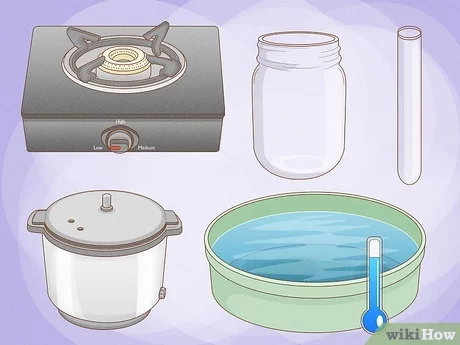
Essential oils have been used for centuries in various cultures and traditions for their therapeutic, medicinal, and spiritual properties. These natural extracts are obtained through different production methods, including distillation in steam vapor, prementuration (especially when referring to citrus essences), and extractions with solvents. The most practical way to make essential oils at home is through distillation in steam vapor.
Understanding the Basics of Essential Oils
Before we dive into making essential oils, it’s essential to understand the basics. Essential oils are highly concentrated plant extracts that can be used for various health benefits, such as reducing stress, improving mood, and alleviating symptoms of various medical conditions. They can also be used as natural remedies for skin issues, digestive problems, and respiratory issues.
There are several types of essential oils, including:
- Citrus essences (e.g., lemon, orange, lime)
- Herbs (e.g., lavender, rosemary, mint)
- Spices (e.g., cinnamon, ginger)
- Flowers (e.g., rose, jasmine)
Each type of essential oil has its unique characteristics, uses, and benefits. Understanding the differences between various types of essential oils is crucial for effective use.
The Differences Between FDI-Oil Essences
The web offers procedures for making essential oils such as lavender, rosemary, or peppermint. Unfortunately, these DIY instructions have little to do with the true essence. They instead explain how to prepare an aromatic vegetable oil or a diluted concentrate. They refer to “cold extraction” or “hot extraction.” These procedures are more similar to macerations than actual essential oil production.
The main difference between FDI-oil essences and actual essential oils is that FDI-oil essences are not concentrated plant extracts, but rather aromatized vegetable oils or diluted concentrates. They do not have the same therapeutic properties as essential oils and should not be used for medicinal purposes.
The Need for a Distiller
To produce essential oils, you need a distiller. You can create a distiller using an old pressure pot or purchase one that is more efficient. While the distiller is relatively expensive, it allows you to increase the yield of production and obtain high-quality essential oils.
A good quality distiller should have the following features:
- High-temperature steam vapor
- Efficient condenser system
- Easy-to-use interface
Finding a Reliable Distiller
You can find an excellent distiller on Amazon at a competitive price. However, be aware that the product comes from China, so you will need to wait for its arrival before ordering. Additionally, if the shipment is subject to customs checks, you may need to pay an additional 22% in taxes (IVA).
DIY Distiller
If you prefer to create your own distiller to make essential oils, we invite you to read our guide on “Distillation in Steam Vapor.” This article covers the process of making a DIY distiller.
Making Essential Oils: A Step-by-Step Guide
Once you have obtained the necessary equipment, prepare the harvest!
With the distiller, you can create essential oils from herbs such as lavender, rosemary, mint, and any other herb. However, it will not be useful for preparing essential oils from citrus fruits such as orange, lemon, or lime. For citrus fruit essential oils, prementuration is used because the oil is extracted from the peel, not the leaves.
Choosing the Right Materials
For making essential oils, you need fresh and green parts of the plant. Look for untreated plants to avoid contamination by pesticides and herbicides. Use organic vegetables grown using biodynamic methods to minimize risks. If you have large quantities of plants to process (i.e., extract the oil), dry them first. Drying reduces the volume of the plants, allowing you to work more efficiently.
Drying Herbs
The ideal method of drying herbs varies depending on the plant. In many cases, you can purchase dried herbs directly from the grower.
Some common methods of drying herbs include:
- Air-drying: This is a simple and cost-effective way to dry herbs. Simply tie the herbs in small bunches and hang them upside down in a warm, dry place.
- Oven-drying: Preheat your oven to its lowest temperature setting (usually around 150°F). Place the herbs on a baking sheet and leave them for 1-2 hours. Check on them regularly to ensure they do not overdry.
Important Note: Not All Drying is Necessary
Note that drying the plant before distillation for making essential oils is not necessary! This step is only recommended when working with large quantities of herbs. A bunch of dried mint takes up less volume than its fresh equivalent!
Using a Distiller to Make Essential Oils
Fill the water reservoir or the stillpot.
Use distilled water, which can be purchased at the supermarket for ironing, and make sure it’s not scented.
The processing time may vary depending on the type of herbs you are using. It could take anywhere from 30 minutes to 6-8 hours.
Add the herb component. You can compress it to occupy less space, but make sure you don’t obstruct the evaporation hole.
Wait for the oil extraction process to complete. Collect the obtained oil in a small vial.
Safety Precautions
When making essential oils, it’s crucial to follow proper safety protocols to avoid accidents and injuries. Some of the most important safety precautions include:
- Always wear protective gloves when handling hot equipment.
- Use goggles or glasses to protect your eyes from steam vapor.
- Ensure good ventilation in the distillation area to prevent inhalation of hazardous fumes.
Frequently Asked Questions
- What is the difference between essential oils and aromatherapy oils?
Essential oils are concentrated plant extracts that can be used for various health benefits, while aromatherapy oils are often diluted and used primarily for relaxation and fragrance purposes. - How do I know if my essential oil is of high quality?
High-quality essential oils should have a strong scent, clear color, and no visible impurities. Look for certifications from reputable organizations like the International Organization for Standardization (ISO) or the National Association for Holistic Aromatherapy (NAHA). - Can I make my own essential oil at home?
Yes, you can make your own essential oils at home using a distiller and high-quality herbs. However, it’s recommended to follow proper safety protocols and use equipment specifically designed for this purpose. - What are the benefits of using essential oils?
Essential oils have numerous health benefits, including reducing stress, improving mood, and alleviating symptoms of various medical conditions. They can also be used as natural remedies for skin issues, digestive problems, and respiratory issues. - How do I store my essential oil safely?
Store your essential oils in a cool, dark place away from direct sunlight and heat sources. Use glass bottles with tight-fitting lids to prevent oxidation and contamination. - Can I use essential oils on children and pets?
Always consult with a healthcare professional before using essential oils on children or pets. Some essential oils can be toxic or cause allergic reactions in certain individuals, so it’s crucial to exercise caution when using them around vulnerable populations. - How do I dilute essential oils for aromatherapy?
Dilute essential oils according to the recommended ratio (typically 1-3%) and use a carrier oil like coconut or jojoba oil to prevent skin irritation. -
What are some common mistakes when making essential oils at home?
-
Using low-quality herbs
- Insufficient drying of plants before distillation
- Incorrect usage of equipment
- Not following proper safety protocols


