
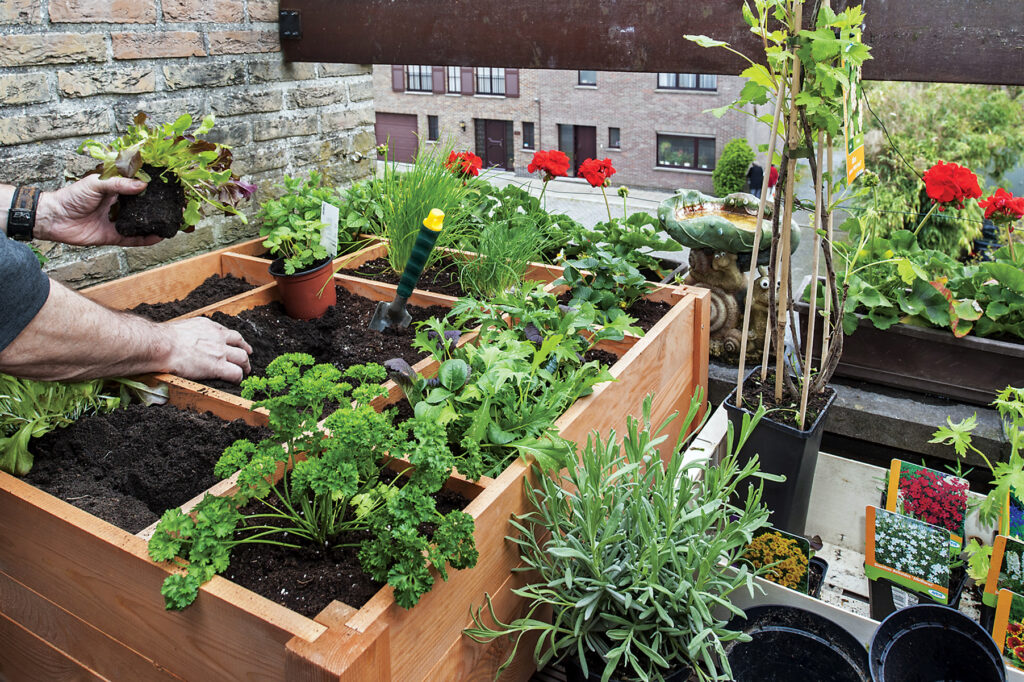
Creating a Symbiotic Garden: A 10-Step Guide
As you step into your garden, do you ever wonder what secrets it holds? How can you unlock its full potential and create a harmonious balance between plants, soil, and nature? Welcome to the world of symbiotic gardens, where humans, plants, and microorganisms coexist in perfect harmony. In this article, we’ll explore the ins and outs of creating a thriving symbiotic garden, step by step.
Understanding Symbiotic Gardens
A symbiotic garden is more than just a pretty landscape; it’s a delicate ecosystem that thrives on mutualism, where plants, microorganisms, and humans work together to create a balanced and sustainable environment. By understanding the intricacies of this relationship, you can unlock the secrets of your garden and witness its growth flourish.
The Concept of Symbiosis
Symbiosis is a fundamental concept in ecology that describes the interaction between different species or organisms. In a symbiotic garden, we’re looking for relationships where plants, microorganisms, and humans benefit from each other’s presence. This can take many forms, such as:
- Mutualism: Both parties benefit from the relationship (e.g., plants providing shade for beneficial insects).
- Commensalism: One party benefits, while the other is unaffected (e.g., a plant providing food for pollinators).
- Parasitism: One party benefits, while the other is harmed (e.g., aphids feeding on plant sap).
Step 1: Choose the Right Soil
Before you begin, it’s essential to understand that symbiotic gardens thrive on rich, fertile soil. Your ideal soil should be incolted for at least three to four years, allowing wild herbs and grasses to flourish. If your soil is compacted or degraded, don’t worry! We’ll explore ways to revitalize it.
Soil Testing
Before selecting a plot of land, test the pH level and nutrient content of your soil using a DIY kit or by sending samples to a laboratory for analysis. This will help you determine if any amendments are needed to create an ideal environment for your symbiotic garden.
Step 2: Prepare the Soil
To prepare your soil for a symbiotic garden, you can follow a simple process called concimazione verde (green composting). This involves sowing a mix of seeds that promote healthy soil biota, such as sovescio, trifoglio incarnato, and lupinella. Mix these seeds with other beneficial organisms like fungi, bacteria, and mycorrhizal networks to create a nutrient-rich environment.
Composting 101
Composting is an excellent way to enrich your soil with organic matter. Create a compost pile using food scraps, leaves, and other plant residues. Monitor the temperature of your compost pile and turn it regularly to maintain optimal conditions for decomposition.
Step 3: Sow the Seeds
Once you’ve prepared your soil, it’s time to sow the seeds. Spread them evenly across the surface, making sure they’re not too dense or compacted. As the seeds germinate, they’ll begin to break down and release nutrients into the surrounding soil.
Seed Selection
When selecting seeds for your symbiotic garden, choose varieties that are disease-resistant and suitable for your climate zone. Some excellent choices include comfrey, calendula, and sunflowers.
Step 4: Mulch and Pacciamatura
To retain moisture and suppress weeds, mulch is essential in symbiotic gardens. Use a mix of organic materials like straw, wood chips, or leaves to create a 10 cm layer of pacciamatura (mulch). This will also help regulate soil temperature and prevent erosion.
Mulching Tips
Mulching is an effective way to reduce soil temperature by up to 3°C during the summer months. Use a mix of organic materials to create a breathable mulch that prevents waterlogging.
Step 5: Design Your Garden
When designing your garden, remember that symbiosis is all about balance. Divide your space into zones for plants, paths, and human activity. Use natural materials like stone, wood, or bamboo to create a harmonious landscape that blends with nature.
Garden Planning
Before you start building your garden, take some time to plan the layout. Consider factors like sunlight patterns, soil drainage, and access to water when selecting locations for different plant species.
Step 6: Plant Your Symbiotic Garden
Now it’s time to plant! Choose a mix of plants that complement each other in terms of growth habits, light requirements, and nutrient needs. Some excellent choices for a symbiotic garden include comfrey, calendula, and sunflowers.
Planting Tips
When planting your symbiotic garden, make sure to space plants correctly to prevent overcrowding and promote healthy air circulation.
Step 7: Water with Care
Watering your symbiotic garden is an art that requires patience and observation. Use rainwater or greywater to minimize waste and prevent over-watering, which can lead to root rot and other problems.
Watering Techniques
Use a drip irrigation system or soaker hoses to deliver water directly to the roots of your plants, reducing evaporation and runoff.
Step 8: Monitor and Maintain
Regular monitoring is crucial in maintaining a healthy symbiotic garden. Keep an eye out for pests, diseases, and nutrient deficiencies, and take action promptly to address any issues that arise.
Pest Management
Use integrated pest management techniques like companion planting, crop rotation, and biological control methods to mitigate pests and other threats.
Step 9: Add Microorganisms
Microorganisms are the unsung heroes of symbiotic gardens! By adding beneficial bacteria, fungi, and mycorrhizal networks to your soil, you’ll create a thriving ecosystem that supports plant growth and health.
Adding Microorganisms
Use compost tea or worm casting as a natural fertilizer to introduce microorganisms into your soil. Add these amendments according to the manufacturer’s instructions to maintain optimal levels of beneficial microbes.
Step 10: Enjoy the Journey
Creating a symbiotic garden is a journey, not a destination. Be patient, observe, and learn from your garden’s unique needs and responses. Celebrate each success, no matter how small, and remember that every step towards harmony with nature is a step in the right direction.
Conclusion
In conclusion, creating a symbiotic garden requires patience, observation, and attention to detail. By following these 10 steps, you’ll unlock the secrets of this harmonious ecosystem and witness its growth flourish. Remember to be flexible and adapt your approach as needed to ensure the long-term health and resilience of your symbiotic garden.
Frequently Asked Questions (FAQs)
- What are symbiotic gardens?
A symbiotic garden is an ecosystem where humans, plants, microorganisms, and other organisms work together to create a balanced environment that thrives on mutualism.
- Why do I need to mulch my soil?
Mulching helps retain moisture, suppress weeds, regulate soil temperature, and prevent erosion, creating a stable environment for plant growth and microorganism activity.
- Can I use synthetic fertilizers in my symbiotic garden?
No, it’s best to avoid synthetic fertilizers in favor of natural alternatives like compost tea, green manure, or crop rotation to maintain soil fertility and promote healthy ecosystem balance.
- How often should I water my symbiotic garden?
Watering frequency depends on climate, soil type, and plant needs. Monitor your plants’ responses to watering, and adjust accordingly to avoid over-watering or under-watering.
- Can I add microorganisms to my existing garden?
Yes! You can introduce beneficial microorganisms through compost tea, worm casting, or mycorrhizal fungi to enhance soil fertility and plant growth.
- What are some common pests in symbiotic gardens?
Common pests include aphids, slugs, snails, and other small insects that target plants. Use integrated pest management techniques like companion planting, crop rotation, and biological control methods to mitigate these threats.
- How do I maintain soil pH levels in my symbiotic garden?
Maintain optimal soil pH levels by monitoring and adjusting as necessary using natural methods like compost tea, lime, or sulfur application.
- Can I use companion planting in my symbiotic garden?
Yes! Companion planting involves pairing plants that complement each other’s growth habits, light requirements, and nutrient needs to create a harmonious ecosystem.
- What are the benefits of creating a symbiotic garden?
Benefits include increased biodiversity, improved soil health, reduced water consumption, and enhanced ecosystem resilience.
- How long does it take to create a symbiotic garden?
Creating a symbiotic garden requires patience and observation. It can take anywhere from several months to several years for the garden to mature and reach its full potential.


