
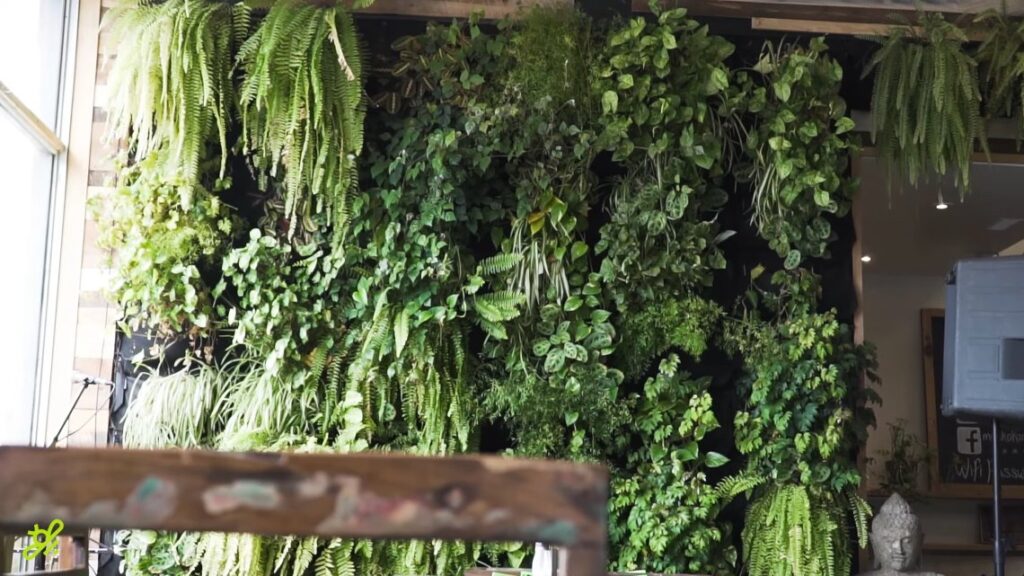
Are you ready to bring the outdoors in and create a stunning living wall that not only adds beauty to your space but also purifies the air and brings a touch of nature indoors? Look no further! In this article, we’ll delve into the world of vertical gardens, explore the various options available, and provide valuable tips on how to create your own living wall at home.
What is a Living Wall?
A living wall, also known as a green wall or vertical garden, is a structure that supports plant growth, often used in interior design to add a touch of nature to urban spaces. It can be created using various materials and techniques, from modular systems to DIY kits, and can be tailored to fit any space.
Types of Living Walls
There are several types of living walls available, each with its unique features and benefits:
- Modular Systems: These are pre-designed modules that contain all the necessary components for a vertical garden, including plants, soil, irrigation system, and supports. Modular systems offer flexibility and customization options, making them ideal for large-scale projects.
- Fioriere Verticali (Vertical Planters): These are individual planters designed specifically for vertical gardens, often with built-in irrigation systems and supports. Fioriere verticali are perfect for smaller spaces or as a standalone feature.
- Angolo o Colonna Fioriere (Corner or Column Planters): These are smaller planters designed to fit into tight spaces, such as corners or columns. Angolo o colonna fioriere are ideal for adding a touch of greenery to narrow spaces.
DIY Kits for a Living Wall
If you’re on a budget or prefer a more DIY approach, there are several kits available that can help you create your own living wall. Some popular options include:
- Flowall Verde: This is a support system designed to hold vases and plants in place, complete with an irrigation system and a water tank. Flowall verde is perfect for creating a small-scale vertical garden.
- Karoo: This is a modular system that allows you to create a custom vertical garden using interlocking modules. Karoo offers flexibility and customization options, making it ideal for large-scale projects.
Benefits of Living Walls
Living walls offer numerous benefits, including:
- Air Purification: Plants absorb pollutants and toxins from the air, improving indoor air quality.
- Visual Appeal: Living walls add a touch of nature to urban spaces, creating a calming and peaceful atmosphere.
- Noise Reduction: The sound of running water or gentle plant movement can help reduce noise levels in shared living spaces.
Tips for Creating Your Own Living Wall
Creating your own living wall can be a fun and rewarding project. Here are some valuable tips to keep in mind:
- Choose the right plants: Select plants that thrive in indoor conditions and can tolerate the amount of light and water you can provide.
- Use a suitable support system: Ensure that your chosen support system is sturdy enough to hold the weight of your plants and soil.
- Consider the climate: If you live in an area with high temperatures or low humidity, choose plants that are adapted to these conditions.
Frequently Asked Questions
Here are some common questions about living walls:
- What kind of plants can I use for my vertical garden?
Plants like succulents, ferns, and ivy are popular choices for living walls due to their low maintenance requirements. - How often should I water my vertical garden?
Watering frequency will depend on the type of plants you have chosen as well as the amount of light and temperature in your space. - Can I use a standard potting mix for my living wall?
No, standard potting mixes are not designed for vertical gardens and may not retain enough moisture to support plant growth.
Designing Your Living Wall
When designing your living wall, consider the following factors:
- Space constraints: Measure the available space and choose a design that fits comfortably.
- Lighting: Consider the amount of natural light your space receives and choose plants accordingly.
- Budget: Determine how much you’re willing to invest in materials and support systems.
Plant Selection for Your Living Wall
When selecting plants for your living wall, consider the following factors:
- Climate: Choose plants that are adapted to your local climate and can tolerate extreme temperatures or humidity levels.
- Light: Select plants that thrive in low-light conditions or high-light conditions, depending on your space’s lighting requirements.
- Maintenance: Choose low-maintenance plants that don’t require frequent pruning or watering.
Maintenance and Care
To ensure the longevity of your living wall, follow these maintenance tips:
- Watering: Water your plants regularly, taking care not to overwater or underwater.
- Pruning: Regular pruning helps maintain plant health and promotes new growth.
- Fertilization: Feed your plants with a balanced fertilizer during the growing season.
Conclusion
Creating a living wall can be a fun and rewarding project that brings numerous benefits to your home or office. By understanding the different types of living walls available, following these tips, and selecting the right plants for your space, you can create your own unique and thriving vertical garden.


