
Creating a Green Roof: A Comprehensive Guide
As we strive to live more sustainably, many of us are turning to innovative solutions like green roofs. These lush, plant-covered surfaces not only provide insulation and reduce energy costs but also offer numerous environmental benefits. In this article, we’ll delve into the world of green roofs, exploring their advantages, types, materials, and costs.
What is a Green Roof?
A green roof, also known as a living roof, is a type of roofing system that incorporates plants, soil, and other materials to create a self-sustaining ecosystem. Unlike traditional roofs, which are often made of concrete or asphalt, green roofs provide a habitat for wildlife, improve air quality, and reduce urban heat islands.
Why Choose a Green Roof?
Before we dive into the specifics, let’s examine some compelling reasons why you might consider installing a green roof:
- Energy Efficiency: Green roofs can reduce energy costs by up to 20% due to their excellent insulation properties.
- Environmental Benefits: By reducing urban heat islands and providing habitats for wildlife, green roofs contribute to a more sustainable environment.
- Aesthetic Appeal: Green roofs add visual appeal to buildings, making them more attractive and desirable.
Types of Green Roofs
Not all green roofs are created equal. There are two main types:
- Extensive Green Roofs: These systems require less maintenance and can support a wider range of plants. They typically use a thinner layer of soil (less than 12 cm) and are ideal for smaller, lighter-weight buildings.
- Intensive Green Roofs: These systems provide more comprehensive coverage and support heavier loads. They require a deeper layer of soil (at least 20 cm) and are better suited for larger, more structurally sound buildings.
Materials Needed
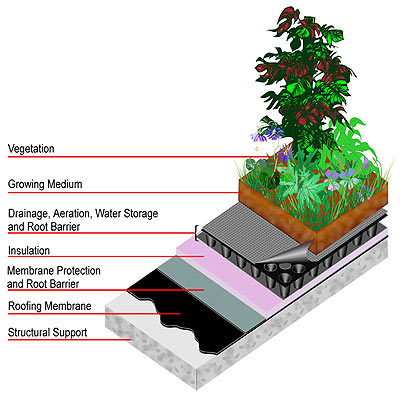
To create a green roof, you’ll need the following materials:
- Lamina Metallica: A thin, metal sheet that provides a waterproof barrier.
- Membrana Antiradice: A specialized membrane that prevents water from seeping through.
- Materiale Drenante: A material (like volcanic rock) that helps to drain excess water.
- Strato di Tessuto Filtrante: A layer of fabric that allows for airflow and moisture transfer.
- Strato di Lapillo Vulcanico Medio Fine: A medium-fine layer of volcanic rock that provides additional drainage and insulation.
- Copertura Vegetale: The final layer of plants, which can be composed of a variety of species.
Costs Associated with Green Roofs
The cost of creating a green roof can vary widely depending on factors like the size of the building, the type of materials used, and the complexity of the installation. Here are some estimated costs:
- Extensive Green Roofs: €60-€90 per square meter (depending on plant selection)
- Intensive Green Roofs: €90-€150 per square meter (depending on plant selection)
Step-by-Step Installation Guide
Installing a green roof requires careful planning and execution. Here’s a step-by-step guide to help you get started:
- Assess the Building: Evaluate the building’s structure, weight capacity, and drainage system before installing a green roof.
- Design the Roof: Create a design that incorporates your chosen plants, soil type, and structural requirements.
- Prepare the Roof: Clean the roof surface, remove any debris or old roofing materials, and apply a waterproof barrier.
- Install the Membrane: Apply the specialized membrane to prevent water from seeping through.
- Add Drainage Materials: Install the material that helps to drain excess water, such as volcanic rock or drainage mats.
- Lay Down the Soil: Spread the soil layer evenly, taking into account factors like pH level and nutrient content.
- Plant the Vegetation: Choose your plants, plant them in the soil, and add any additional landscaping elements (like rocks or irrigation systems).
- Final Inspections: Perform regular inspections to ensure the green roof is healthy, thriving, and performing as expected.
Conclusion
Green roofs offer a wide range of benefits, from energy efficiency and environmental benefits to aesthetic appeal. By understanding the different types of green roofs and the materials needed, you can create a thriving ecosystem that enhances both your building’s structure and its surroundings.
Frequently Asked Questions
- What is the best way to choose plants for my green roof?
Consider factors like climate, soil type, and sunlight exposure when selecting plants for your green roof. - How often do I need to maintain a green roof?
Regular maintenance includes watering, pruning, and inspecting the roof’s condition to ensure its longevity. - Can green roofs be used on any type of building?
Green roofs are typically suited for buildings with flat or slightly sloping roofs, but there are some exceptions. - How long does it take to install a green roof?
The installation process can vary in length depending on the size and complexity of the project, but most installations take several days to complete. - What is the average lifespan of a green roof?
With proper maintenance, a well-designed green roof can last for many years, sometimes even decades. - Can I use a green roof to generate electricity?
While some green roofs are designed with energy harvesting in mind, not all systems are suitable for generating electricity. - Are green roofs suitable for high-traffic areas?
Green roofs can be used on high-traffic areas, but they may require additional support and maintenance to ensure their longevity. - Can I use a green roof on a building with a skylight?
It’s possible to install a green roof on a building with a skylight, but it’s essential to ensure that the structure can support the weight of the roofing system.
By understanding these FAQs and following the guidelines outlined in this article, you’ll be well-equipped to create a thriving, sustainable green roof that enhances both your building’s structure and its surroundings.


