
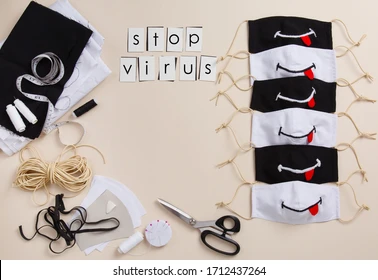
As we continue to navigate the ongoing pandemic, it’s essential to remember that masks are still a crucial tool in our fight against COVID-19. While vaccines and discipline have helped us make progress, it’s vital to encourage friends and family who haven’t gotten vaccinated yet to do so. Moreover, continuing to follow public health guidelines is crucial for protecting ourselves and those around us.
In this article, we will explore the importance of wearing a mask, discuss the effectiveness of different types of masks, and provide step-by-step instructions on how to create your own antivirus mask using easily accessible materials.
Why Wear a Mask
The primary purpose of wearing a mask is to prevent tiny droplets of saliva that can escape from our mouth or nose from spreading into the air and coming into contact with other people, potentially infecting them if we’re infected. Masks work by blocking the transmission of viruses through the emission of tiny droplets from an infected person’s mouth or nose.
When to Wear a Mask (Updated September 2021)
Masks must still be worn in public places, during gatherings, and in situations where social distancing isn’t possible. This includes:
- Public transportation
- Shopping centers
- Restaurants and bars
- Gyms and fitness centers
- Schools and universities
- Hospitals and healthcare facilities
How Effective are Masks?
To understand the effectiveness of masks, it’s essential to consider the rational principles behind their use. Masks work by blocking the transmission of viruses through the emission of tiny droplets from an infected person’s mouth or nose. These droplets can be emitted during coughing or sneezing or through direct contact.
If these droplets come into contact with another person’s eyes, mouth, or respiratory system, there’s a risk of infection. The effectiveness of masks is determined by their class rating: FFP1, FFP2, and FFP3 (you can learn more about this in the link below).
It’s also crucial to practice good hygiene, such as frequently washing your hands, changing your mask often, avoiding touching your face, especially after handling potentially contaminated objects, and not putting used masks in your mouth or near your eyes.
Creating Your Own Antivirus Mask
With the right materials and a bit of creativity, you can make your own antivirus mask. There are two videos that demonstrate how to do this in just a few minutes using easily accessible materials:
- The first video by Hong Kong Shenzhen Hospital showcases a device that protects not only the mouth but also the eyes.
- The second video by TGCom24 features journalist Barbara Palombelli creating a “make-your-own” mask using baking paper.
It’s crucial to note that if your mask gets wet, it will lose its effectiveness. Therefore, using baking paper is recommended instead of other types of paper.
Using Your Mask Correctly and Effectively
For optimal use, follow these guidelines:
- Masks should not lead to reduced protection, particularly for the eyes or cause you to frequent crowded areas.
- Masks must be worn according to the instructions from the Ministry of Health.
- A mask can only be used once. After its first use, it cannot be reused because it’s not washable and may still contain viruses.
The primary purpose of wearing a mask is to prevent others from getting infected, rather than the other way around. It’s easily apparent that if everyone wears masks, the risk of transmission will decrease.
Here are the steps to follow from the Ministry of Health website for safe mask use:
- Wash your hands with soap and water before putting on a mask.
- Cover your mouth and nose with the mask, ensuring it adheres well to your face.
- Avoid touching your mask while putting it on, and wash your hands afterward if you do touch it.
- Discard your used mask by placing it in a sealed bag and washing your hands again.
By following these guidelines and using common sense, we can all play our part in keeping ourselves and others safe during this challenging time.
FAQs
Q: Can I reuse my mask?
A: No, masks should only be used once. Reusing them may not ensure proper hygiene and could still pose a risk of virus transmission.
Q: How often should I wash my hands while wearing a mask?
A: It’s essential to practice good hand hygiene throughout the day, especially after touching your face or coming into contact with potentially contaminated surfaces.
Q: What is the most effective type of mask for COVID-19 prevention?
A: FFP2 and FFP3 masks are generally considered more effective than others in blocking virus transmission.
Tips and Precautions
- Always check the expiration date of your mask before using it.
- Avoid touching your mask with unwashed hands, as this can spread germs.
- Wash your hands thoroughly after removing your mask, even if you washed them beforehand.


