
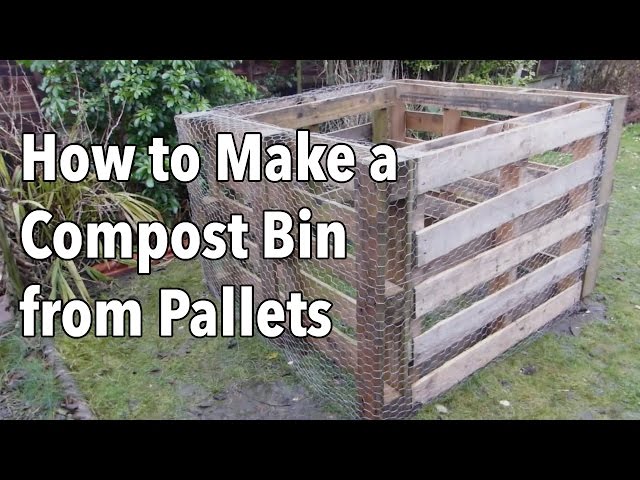
Are you wondering if it’s time to make your own compost bin, or if it would be better to just buy one? The answer depends on what you need. Do you have space for a large green area where you can place your compost bin? Do you need a compost bin for household waste (instead of using plastic bags for wet trash)? Are there materials and tools available for building your own compost bin, or do you need to buy everything from scratch?
If you make two arguments, you’ll likely come to the same conclusion: making your own compost bin is great if you have a lot of space, need to compost a lot of waste, and already have some of the necessary materials.
If not, it might be better to change your question to “where can I buy a compost bin.” There are many great options available at garden centers and online shopping sites like Amazon, which offer a wide range of sizes, from 260 liters (around $40) to 600 liters (around $70). A 600-liter bin is considered a good size for most households.
Composting is not a joke. Composting involves managing a small biological factory where workers are bacteria, insects, and fungi. This comes with some downsides. For example, there’s the risk of bad smells, and food scraps can attract unwanted animals.
If your compost bin is located near your home, it needs to be well-built, aerated, and protected from the elements while still being accessible for turning the compost pile. Building one yourself can be challenging, requires time, and may be expensive.
However, if you only need a container for garden waste and partly for household scraps, then building a simple bin is feasible. For this type of bin, we recommend checking out our “compost bins DIY” article.
If you’re looking to buy, I highly recommend the following compost bin: VOUNOT Compost Bin, 300L
Why Make Your Own Compost Bin?
Before we dive into the benefits of making your own compost bin, let’s explore why it might be better to buy one. While both options have their advantages and disadvantages, here are some points to consider:
Making your own compost bin can save you money in the long run if you need a large one for household waste.
If you have space, building your own compost bin allows you to choose materials that suit your needs.
However, building a compost bin from scratch requires time, effort, and expertise.
Buying a pre-made compost bin offers convenience, but it may also mean paying more upfront.
Here’s what to consider when deciding between making or buying:
- Do you have enough space for a large green area?
- Do you need a compost bin for household waste (instead of using plastic bags for wet trash)?
- Are there materials and tools available for building your own compost bin, or do you need to buy everything from scratch?
Choosing the Right Compost Bin Size
When choosing a compost bin size, it’s essential to consider the amount of waste you’ll be generating. Here are some general guidelines:
- Small bins (260 liters): Suitable for small households or those who only need to compost garden waste.
- Medium bins (400 liters): A good size for most households that need to compost a mix of garden and household waste.
- Large bins (600 liters): Ideal for large households, farms, or those who need to compost a lot of organic material.
When selecting a compost bin size, also consider the space you have available for the bin. Make sure it’s easily accessible for turning the compost pile and has adequate airflow to prevent odors.
Tips for Quick Composting
To speed up your composting process, try using small amounts of bioactivator. Here are some additional tips:
- Make sure your compost bin has adequate airflow.
- Add a mix of “green” (food scraps) and “brown” materials (leaves, branches)
- Turn the compost pile regularly to maintain oxygen levels and prevent odors.
Getting Started with Composting
If you’re new to composting, here are some steps to get started:
- Collect your household waste and garden scraps
- Add a mix of “green” (food scraps) and “brown” materials (leaves, branches)
- Mix everything together well
- Turn the pile regularly to maintain oxygen levels
If you’re looking for a guide on how to compost at home, check out our article: Composting at Home.
Buying a Compost Bin
If you decide that buying a compost bin is right for you, here are some factors to consider:
- Size
- Material
- Price
When choosing a compost bin, make sure it’s the right size for your needs. A 600-liter bin is considered a good size for most households.
When selecting a material, choose something durable and weather-resistant. For example, metal or plastic bins are great options because they can withstand the elements while keeping pests out.
Finally, set a budget and look for compost bins that fit within it. Prices can vary greatly depending on the size and materials used.
Here’s what to consider when buying a compost bin:
- Do you have enough space for a large green area?
- Do you need a compost bin for household waste (instead of using plastic bags for wet trash)?
- Are there materials and tools available for building your own compost bin, or do you need to buy everything from scratch?
Common Compost Bin Mistakes
Here are some common mistakes to avoid when making or buying a compost bin:
- Not having enough space for the compost bin
- Using too much or too little material
- Not turning the compost pile regularly
If you’re new to composting, here are some tips to help you get started:
- Choose the right size for your needs
- Select durable and weather-resistant materials
- Set a budget and look for compost bins that fit within it


