
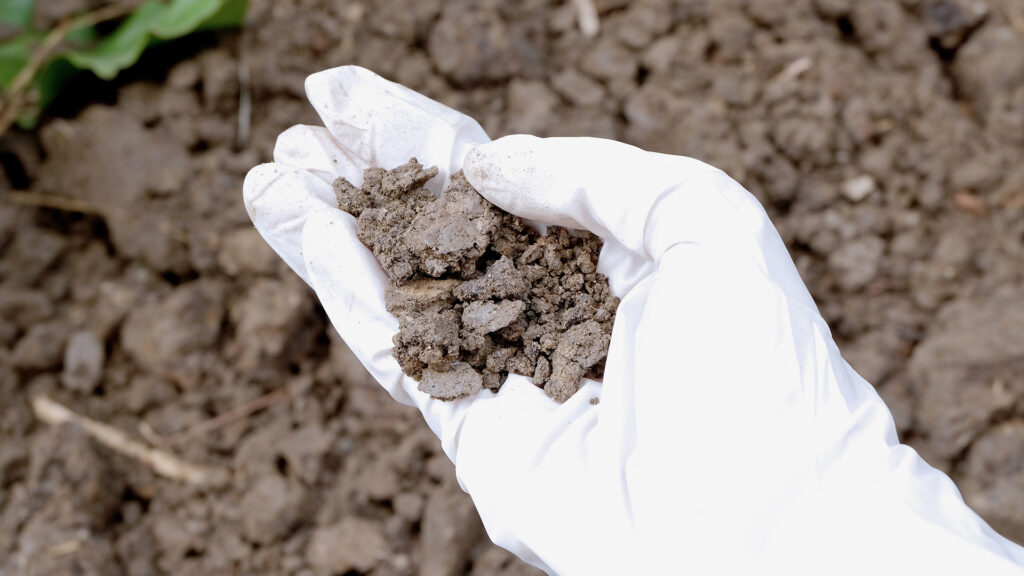
The pollution of the soil has far-reaching consequences for the balance of chemistry and physics, as well as biology, within an ecosystem. A polluted soil becomes less productive and compromises the quality of products, making it unusable in any way. From the soil, pollutants pass to plants, then to animals, man, and finally to water.
Abusive dumping, industrial sewage, agricultural use of chemical products, contamination by hydrocarbons, dioxins, and precious metals all contribute to tangible pollution of the soil on which we live. Every type of waste is dumped in abusive landfills and hidden away. There’s no doubt that we’re killing the soil! A radical change in our habits can limit soil pollution. Here are some tips.
Understanding Soil Pollution
Every day, we contribute unknowingly to soil pollution with certain eco-crimes that need to be corrected. But what are the good rules to follow?
Soil pollution is a complex issue with multiple causes and consequences. It affects not only the environment but also human health, food production, and economic development. Understanding the root causes of soil pollution is essential to develop effective solutions.
The Consequences of Soil Pollution
The effects of soil pollution are far-reaching and devastating. Some of the most significant consequences include:
- Reduced fertility: Polluted soils can lead to reduced fertility, making them less productive for plant growth.
- Water contamination: Soils contaminated with pollutants like heavy metals and pesticides can leach into groundwater, posing a risk to human health.
- Loss of biodiversity: Soil pollution can lead to the loss of biodiversity, as plants and animals struggle to survive in polluted environments.
- Economic impacts: Soil pollution can have significant economic impacts, including reduced agricultural productivity and increased costs for cleanup efforts.
Reducing Waste and Promoting Recycling
Waste reduction and recycling are critical strategies for addressing soil pollution. By reducing waste, we can minimize the amount of pollutants that enter the environment. Recycling can also help to recover valuable materials and reduce the need for virgin resources.
Here are some tips for reducing waste and promoting recycling:
- Recycle and reuse: Engage in waste separation and recycling to reduce the amount of waste sent to landfills.
- Use biodegradable containers: Preferentially use biodegradable containers, reducing the accumulation of non-biodegradable materials like plastic.
Sustainable Agriculture Practices
Sustainable agriculture practices are critical for addressing soil pollution. By adopting practices that minimize the use of synthetic fertilizers and pesticides, we can reduce the amount of pollutants that enter the environment.
Here are some sustainable agriculture practices to consider:
- Limit chemical use: Reduce or eliminate the use of chemical products in agriculture and opt for organic fertilizers instead.
- Improve soil health: Implement sustainable agricultural practices to improve soil health, reducing pollution and promoting biodiversity.
Environmental Responsibility and Waste Management
Environmental responsibility and waste management are critical components of addressing soil pollution. By adopting eco-friendly habits, we can reduce our impact on the environment and promote sustainability.
Here are some tips for environmental responsibility and waste management:
- Protect air and water quality: Adopt eco-friendly habits to protect air and water quality, contributing to a healthier environment.
- Implement individual waste treatment plants: Encourage the use of single-tank oxidation plants or similar systems for treating municipal wastewater.
Preventing Pollution and Respecting Regulations
Preventing pollution and respecting regulations are critical components of addressing soil pollution. By adopting a regulatory framework that prioritizes environmental protection, we can ensure public health and safety.
Here are some tips for preventing pollution and respecting regulations:
- Prohibit unauthorized waste disposal: Prevent the dumping of non-authorized waste into the environment.
- Respect waste management laws: Adhere to regulations governing hazardous waste disposal and handling.
Composting Organic Waste
Composting organic waste is a critical strategy for reducing soil pollution. By composting organic waste, we can reduce landfill waste and improve soil health.
Here are some tips for composting organic waste:
- Save organic waste for composting: Avoid disposing of organic waste, instead saving it for composting.
- Create a compost pile: Create a compost pile using a combination of “green” materials like food scraps and “brown” materials like dried leaves.
The Importance of Environmental Protection
Environmental protection is critical for addressing soil pollution. By adopting sustainable practices and respecting regulations, we can ensure public health and safety, as well as environmental protection.
Here are some tips for environmental protection:
- Establish a regulatory framework: Establish a regulatory framework that prioritizes environmental protection.
- Educate the public: Educate the public about the importance of environmental protection and sustainable practices.
- Promote eco-friendly policies: Promote eco-friendly policies and practices to reduce pollution and promote sustainability.
Frequently Asked Questions (FAQs)
- What are the main causes of soil pollution?
- Abusive dumping, industrial sewage, agricultural use of chemical products, contamination by hydrocarbons, dioxins, and precious metals.
- How can I reduce my impact on soil pollution?
- Implement waste separation and recycling, use biodegradable containers, limit chemical use in agriculture, protect air and water quality, and implement individual waste treatment plants.
- What are the benefits of composting organic waste?
- Reduces landfill waste, improves soil health, and promotes biodiversity.
- Why is it important to respect regulations governing hazardous waste disposal?
- Ensures public health and safety, as well as environmental protection.
- Can individual actions make a difference in reducing soil pollution?
- Yes, every small action counts, and collective efforts can lead to significant positive change.
- What role do governments play in addressing soil pollution?
- Governments can establish regulations and laws to protect the environment and ensure public health, as well as provide education and resources for individuals to make a difference.
- How can we balance economic development with environmental protection?
- By adopting sustainable practices, investing in renewable energy, and promoting eco-friendly policies, it’s possible to achieve both economic growth and environmental protection.
By taking these steps, we can work together to limit soil pollution and create a healthier, more sustainable future for our planet.


