
As you embark on your wood-fired cooking journey, it’s natural to wonder how to get started. Whether you’re a seasoned chef or a beginner, understanding the basics of wood-fired cooking is essential for achieving perfectly cooked pizzas, breads, and more. In this article, we’ll delve into the world of wood-fired cooking, covering the ins and outs of getting your oven up and running, selecting the right materials, and maintaining optimal temperatures.
Getting Started with Your New Wood-Fired Oven
When purchasing a new wood-fired oven, it’s essential to follow the manufacturer’s instructions for activation. This may involve reading specific guidelines on usage and ensuring that the combustion chamber is free from residual debris or packaging material. Familiarize yourself with these precautions to ensure safe and effective operation.
Choosing the Right Wood for Your Oven
While some might argue that modern pellets can be a convenient alternative, using genuine hardwoods is the only way to go when it comes to wood-fired cooking. Hardwoods like fagus, oak, or beech are ideal for their low moisture content, making them perfect for burning and releasing a consistent, smoky flavor.
Avoid using pressure-treated, painted, or impregnated woods, as these can impart unwanted chemicals to your dishes. Stick to natural hardwoods to ensure the highest quality results.
The Art of Igniting Your Wood-Fired Oven
To start a fire in your wood-fired oven, you’ll need to use dry, seasoned wood. If possible, visit a local sawmill or hardware store to purchase small, thin logs (also known as kindling) specifically designed for igniting fires. Alternatively, gather small branches and twigs from the surrounding area.
If you’re feeling adventurous, try breaking apart larger logs into smaller pieces, which can be purchased online at affordable prices. Be sure to handle these logs with care, as they can be brittle and prone to cracking.
Building a Fire from Scratch
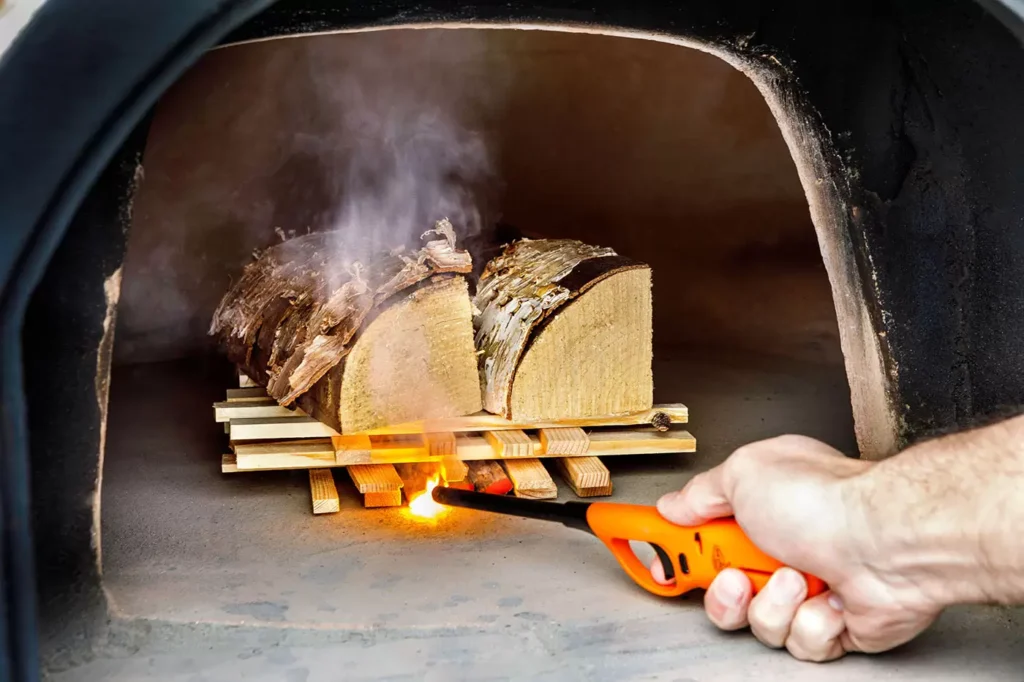
To start your fire, place small twigs and branches in the oven’s combustion chamber, creating a teepee-like structure. Light the tinder using a match or lighter, gradually adding larger logs once the flames have grown.
Next, add more wood, arranging it into a crisscross pattern to allow for optimal airflow. This will help create a sustained flame that will eventually produce a steady, smoky heat.
Maintaining Optimal Temperatures
Once your oven is up and running, continue to add dry, seasoned wood to the combustion chamber. This will ensure that the flames remain steady and the temperature remains consistent.
As the fire burns down, use smaller logs to maintain the heat, gradually increasing the size of the materials as needed. Monitor the oven’s temperature by observing the color changes on the walls or using a thermometer.
Understanding Heat Zones
One crucial aspect of wood-fired cooking is understanding heat zones within your oven. As you add more wood, different areas of the oven will experience varying temperatures. The hottest zone is usually located near the back of the combustion chamber, while the coolest area can be found at the front.
Be mindful of these temperature fluctuations to ensure that your dishes are cooked evenly and consistently. Adjusting airflow and adding materials as needed will help maintain optimal temperatures throughout the cooking process.
Tips for Achieving Perfect Results
To get the most out of your wood-fired oven, remember these essential tips:
• Always start with dry, seasoned wood to ensure consistent results.
• Use larger logs for longer periods and smaller ones for shorter cooking times.
• Maintain optimal temperatures by adjusting airflow and adding materials as needed.
• Be patient – it may take some time to get the hang of wood-fired cooking!
• Invest in a thermometer to monitor temperature changes and make adjustments accordingly.
• Experiment with different types of wood to discover your favorite flavors and aromas.
Common Mistakes to Avoid
While starting out, there are several common mistakes to watch out for:
• Overloading the combustion chamber: Too much wood can lead to excessive smoke and reduced heat output.
• Insufficient airflow: Proper ventilation is crucial for maintaining optimal temperatures and preventing smoke buildup.
• Failure to maintain temperature consistency: Adjusting airflow and adding materials as needed will help ensure that your dishes are cooked evenly.
Conclusion
Wood-fired cooking is an art that requires patience, dedication, and practice. By understanding the basics of ignition, material selection, and temperature maintenance, you’ll be well on your way to creating delicious, smoky masterpieces in your own oven.
Stay tuned for more expert tips and tricks on wood-fired cooking, and happy cooking!
Frequently Asked Questions
- What type of wood should I use for my wood-fired oven?
A: Genuine hardwoods like fagus, oak, or beech are ideal for their low moisture content. - Can I use pellets instead of real wood?
A: No, pellets lack the natural smoky flavor and texture that wood provides. - How do I maintain optimal temperatures in my oven?
A: Use dry, seasoned wood, adjust airflow, and monitor temperature changes on the walls or with a thermometer. - What’s the best way to build a fire from scratch?
A: Start with small twigs and branches, gradually adding larger logs once the flames have grown. -
Can I use pressure-treated or painted woods in my oven?
A: No, these materials can impart unwanted chemicals to your dishes. -
How long does it take to get the hang of wood-fired cooking?
A: With practice and patience, you’ll soon become a pro at achieving perfectly cooked results. -
What’s the most important thing to remember when using my wood-fired oven?
A: Always prioritize safety and follow proper guidelines for activation and maintenance. -
Can I use smaller logs for longer cooking times?
A: Yes, gradually increasing log size allows for more consistent heat output.
Advanced Techniques for Wood-Fired Cooking
As you gain experience with your wood-fired oven, it’s time to explore advanced techniques that will elevate your cooking game:
• Wood Selection: Experiment with different types of hardwoods to discover unique flavors and aromas.
• Log Arrangement: Master the art of arranging logs for optimal airflow and heat output.
• Temperature Control: Develop a keen sense of temperature changes, adjusting airflow and adding materials as needed.
By mastering these advanced techniques, you’ll unlock new possibilities in wood-fired cooking, from perfectly cooked pizzas to tender, slow-cooked meats. The world of wood-fired cooking is full of endless possibilities – get cooking!


