
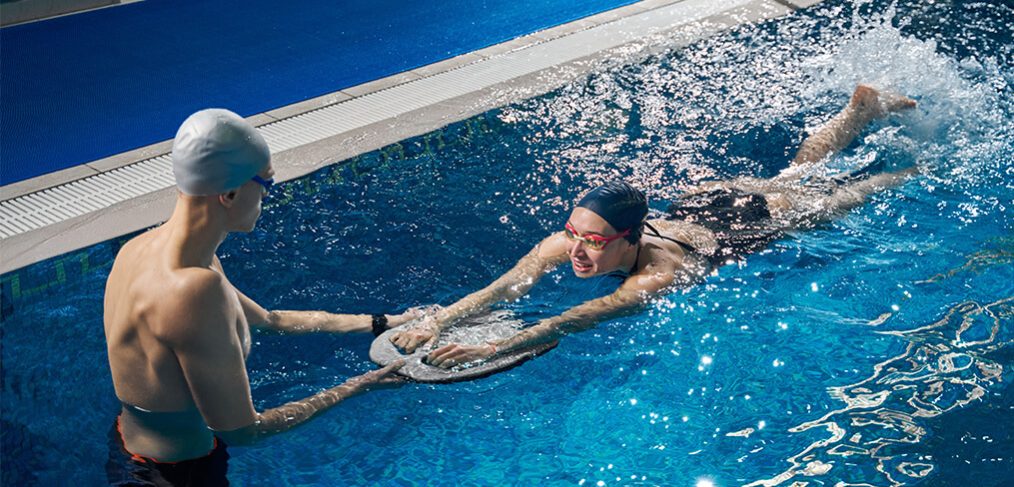
Are you eager to learn how to swim? Look no further! This article will guide you through the process of learning to swim, from the basics of body position and breathing to advanced techniques like freestyle and backstroke.
Getting Started with Swimming
Before diving into the world of swimming, it’s essential to start in a safe and controlled environment – a swimming pool. Pools offer a comfortable and enclosed space where you can practice without worrying about strong currents or distractions.
Learning to swim as an adult is more accessible than you think! With dedication and the right techniques, you can become a confident swimmer in no time.
The Fundamentals of Swimming
Swimming involves a coordinated movement of your arms (with the help of your hands) and legs. To master the technique, focus on maintaining proper body position and breathing.
Body Position
Maintain an upright posture with your shoulders relaxed and down. Keep your head level, with your ears, shoulders, and hips aligned. This will help you move efficiently through the water.
Breathing
Proper breathing is crucial for swimming. Practice exhaling slowly while your face is submerged in the water, then inhale quickly when your face returns to the surface. Repeat this process throughout your swim.
Mastering the Basics: Strokes and Techniques
There are several strokes to learn, but we’ll focus on freestyle, also known as the front crawl. This stroke involves alternating arm movements with leg kicks.
Freestyle Technique
- Hold your body position and maintain a streamlined shape.
- Move your arms in an alternating motion, keeping your elbows high and hands entering the water with your palms facing down.
- Use your legs to perform a flutter kick, keeping them relaxed and loose.
- Focus on breathing every 2-3 strokes.
Practice these movements until they become second nature, then gradually increase your speed and distance.
Tips for Effective Breathing
- Practice exhaling slowly while submerged to conserve energy.
- Use snorkeling equipment (tapsnose) if you’re concerned about water entering your nose.
- Inhale during the recovery phase of your stroke, allowing air into your lungs.
Additional Tips and Tricks
Tips for Staying Afloat
- Start with shallow water where your feet can touch the bottom for support.
- Practice holding your breath for short periods to build up your endurance.
- Focus on keeping your body relaxed and buoyant in the water.
Breathing Exercises Before Swimming
- Regularly practice deep, slow breathing exercises to improve lung capacity.
- Train with a snorkel or mask to get comfortable with your face submerged in the water.
Getting Comfortable with Water
Practice makes perfect! The more you swim, the more confident and comfortable you’ll become in the water. Don’t be afraid to ask for help from instructors or experienced swimmers if needed.
Swimming is a skill that can take time and patience to develop. Stay motivated, keep practicing, and celebrate your progress along the way!
Frequently Asked Questions (FAQs)
- What’s the best age to start learning how to swim?
Answer: Anytime! Swimming is an essential skill for people of all ages. - How do I improve my breathing while swimming?
Answer: Practice exhaling slowly while submerged and inhale during the recovery phase of your stroke. - What’s the best way to learn how to swim?
Answer: Take lessons with a qualified instructor or practice in shallow water with guidance from experienced swimmers. - How long does it take to become proficient in swimming?
Answer: It depends on your dedication and frequency of practice, but consistent effort can lead to significant improvements over time.
Debunking Swimming Myths and Misconceptions
Myth #1: You’re Too Old or Out of Shape
- Age is just a number! Many people learn to swim in their 30s, 40s, 50s, and beyond.
- With regular practice, you can improve your fitness levels and become more confident in the water.
Myth #2: Swimming Will Make You Weak
- Swimming works multiple muscle groups simultaneously, building strength and endurance.
- Regular exercise can increase overall health and well-being.
Building a Strong Foundation: Essential Swimming Techniques
Kicking Technique
Practice kicking your legs while holding onto the side of the pool or a kickboard. Focus on keeping your knees relaxed and your feet flexed.
Arm Strokes
Start with simple arm strokes like the flutter kick or scissor kick before progressing to more complex movements like the freestyle or backstroke.
Swimming in Shallow Water
Practice swimming in shallow water, where you can stand with your feet on the bottom of the pool. This will help you build confidence and improve your technique.
Floating
Learn how to float on your front and back before moving on to more advanced strokes.
Treading Water
Master the art of treading water by keeping your body position stable and using your arms and legs to generate buoyancy.
Swimming with a Partner or Instructor
Having someone to swim with can make learning more enjoyable and engaging. Consider taking lessons from a qualified instructor or swimming with a partner who’s experienced in the sport.
Benefits of Swimming with an Instructor
- Personalized feedback and guidance
- Improved technique and safety
- Increased confidence in the water
Staying Motivated and Engaged
Learning to swim can be challenging, but staying motivated is key. Here are some tips to keep you engaged:
Celebrate Small Victories
Acknowledge your progress, no matter how small it may seem.
Track Your Progress
Keep a logbook or use a swimming app to track your workouts and monitor your improvement over time.
Additional Resources
- Local swimming pools or community centers often offer swimming lessons for adults.
- Online resources like swim tutorials and videos can provide valuable tips and guidance.
- Consult with a healthcare professional before starting any new exercise program.


