
Are you thinking that embroidery is an old-fashioned, useless hobby that has no place in today’s world? Think again! Embroidery is a timeless art form that can bring joy, relaxation, and creativity into your life. Not only does it provide a calming outlet for stress and anxiety, but it also helps develop concentration, precision, and manual dexterity.
In this article, we will explore the basics of embroidery and provide you with practical tips on how to get started. Whether you’re a complete beginner or looking to improve your skills, this guide is designed to help you master the art of embroidery easily.
Why Learn Embroidery Easily?
Embroidery has numerous benefits that make it an excellent hobby for people of all ages and skill levels. Some of the reasons why you should learn embroidery easily include:
- Relieves stress and anxiety: The calming and soothing nature of embroidery can help reduce stress and anxiety.
- Improves concentration, precision, and manual dexterity: Embroidery requires focus, patience, and attention to detail, which can improve your overall cognitive abilities and fine motor skills.
- Develops creativity and self-expression: Embroidery allows you to express yourself through color, pattern, and design, fostering creativity and self-expression.
- Provides a sense of accomplishment and pride in one’s work: Completing an embroidery project can give you a sense of pride and satisfaction, boosting your confidence and motivation.
- Can be used to decorate clothing, accessories, and home items: Embroidery is a versatile skill that can be applied to various aspects of life, from fashion to home decor.
Getting Started with Embroidery
Before you begin your embroidery journey, you’ll need some basic supplies. Don’t worry; we’ve got you covered! Here are the essential tools and materials you’ll need:
- A needle: Choose a high-quality, sharp needle specifically designed for embroidery.
- Thread or yarn (choose a color that inspires you): Select thread or yarn that complements your fabric, pattern, or theme.
- Fabric (cotton or linen work best for beginners): Opt for smooth-textured fabrics like cotton or linen for easier stitching and better results.
- Scissors: Invest in sharp scissors to cut your thread or yarn cleanly and efficiently.
- Hoop or frame (optional): Use a hoop or frame to help keep your fabric taut, making it easier to stitch.
You can find these supplies online or at your local craft store. Once you have everything, let’s move on to the next step.
Basic Embroidery Stitches
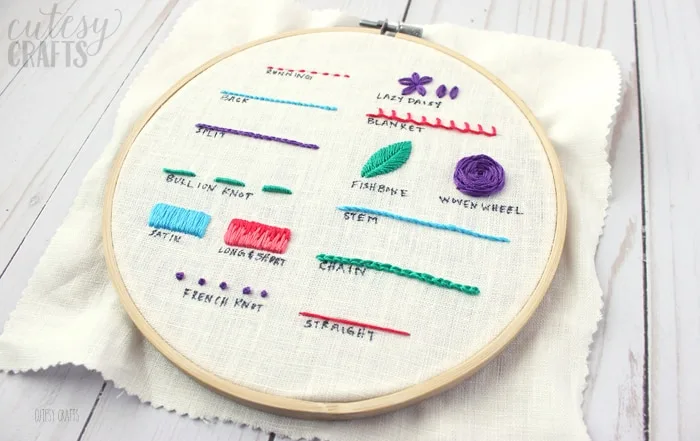
Embroidery involves creating patterns and designs using various stitches. Here are three basic stitches to get you started:
1. Running Stitch
The running stitch is a fundamental stitch in embroidery that can be used for outlining, filling in large areas, or creating textures.
- To create a running stitch, bring the needle up through the fabric at the starting point.
- Insert the needle back into the fabric about 1/4 inch away from where it came up.
- Continue making small stitches, moving the needle along the line you want to create.
2. Backstitch
The backstitch is a versatile stitch that can be used for outlining and creating details.
- Bring the needle up through the fabric at the starting point.
- Insert the needle back into the fabric about 1/4 inch away, but this time in the opposite direction of where it came up.
- Continue making small stitches, moving the needle along the line you want to create.
3. French Knot
The French knot is a decorative stitch that can be used to add texture and interest to your designs.
- Bring the needle up through the fabric at the starting point.
- Wrap the thread around the needle several times.
- Insert the needle back into the fabric, leaving a small loop on the surface of the fabric.
Tips for Beginners
Here are some tips to help you get started with embroidery:
- Start with simple projects: Begin with basic designs and gradually move on to more complex patterns as your skills improve.
- Practice different stitches: Master various stitches before moving on to new techniques, ensuring you have a solid foundation.
- Use high-quality thread and needles: Invest in good-quality thread and needles to ensure smooth stitching and prevent damage to your fabric.
- Don’t be afraid to make mistakes: Mistakes can often lead to new and interesting designs – don’t be discouraged if things don’t turn out as expected!
Additional Resources
If you’re looking for more inspiration or guidance, here are some additional resources:
- Books: “Ricamo Pop: Idee e Proposte per Ricami Alternativi” by Serena Scuderi and “100 schemi asciugamani a punto croce” by Francesca Peterlini
- Online Communities: Join online communities, like Pinterest or Facebook groups, dedicated to embroidery enthusiasts.
- YouTube Tutorials: Watch YouTube tutorials to learn new stitches and techniques from experienced embroiderers.
Embroidery is a timeless art form that can bring joy, relaxation, and creativity into your life. By following these steps and tips, you’ll be well on your way to mastering the basics of embroidery and creating beautiful works of art.
Frequently Asked Questions
Here are some frequently asked questions about embroidery:
-
What is the best fabric for embroidery?
Fabric choices can vary depending on personal preference and project requirements. For beginners, cotton or linen work well due to their smooth texture and ease of use.
2. How do I choose the right thread color?Thread colors can greatly impact your embroidery design. Consider choosing a color that complements your fabric, pattern, or theme.
3. What are some common mistakes in embroidery?Common mistakes include uneven tension, poor stitch quality, and incorrect needle size. Practice and patience will help you avoid these errors.
4. Can I use any type of needle for embroidery?Choose a high-quality, sharp needle specifically designed for embroidery. This ensures smooth stitching and prevents damage to your fabric.
5. How do I care for my embroidered items?Wash your embroidered items according to the fabric’s care instructions. Avoid using harsh detergents or excessive water, which can damage the stitches.
Embroidery is a rewarding hobby that offers numerous benefits for mental and physical well-being. With practice, patience, and dedication, you’ll be able to create beautiful works of art that bring joy to yourself and others.


