
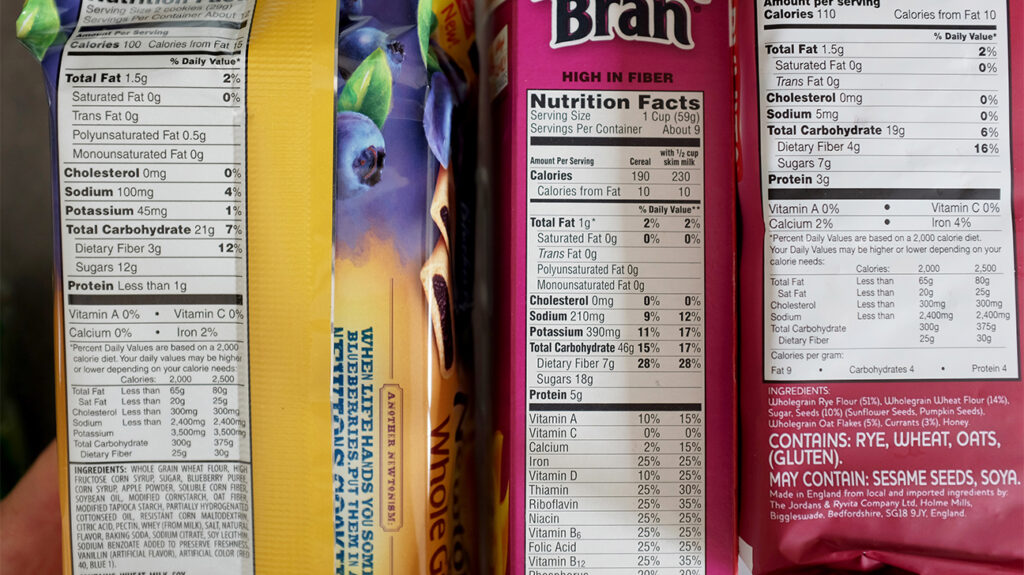
Labeling Food Products: A Guide to Consumer Protection
As consumers, we rely heavily on food product labels to make informed decisions about the products we buy. But what makes a good label? How can we trust that the information on the label is accurate and transparent? In this article, we’ll explore the fundamental characteristics of food product labels, the mandatory indications required by law, and how pre-packaged and pre-prepared products differ in terms of labeling requirements.
The Importance of Correct Labeling Practices
Correct labeling practices are crucial for consumer safety. By reading a label, you can be informed about the nature and characteristics of the product you’re buying without being misled. Labels serve as a vital communication tool between producers and consumers, ensuring that products meet certain standards and regulations.
Pre-packaged products distinguish themselves from pre-prepared products in several ways: they are packaged directly by manufacturers, while pre-prepared products are packaged inside the point of sale (supermarket or store). The reasons for this difference lie in both legal prescriptions and the type of packaging. Pre-packaged products must list all indications listed, while pre-prepared products can omit some information.
Mandatory Indications on Food Product Labels
According to the law, the following indications in Italian must be listed on the label of a packaged food product:
- Denomination of sale
- Ingredient list
- Net quantity or, for pre-packaged products individually, the quantity of each package
- Minimum storage period or, for products that spoil quickly, expiration date (for fresh products)
- Company name or registered business name (or trademark) and its address in the EU
- Production facility location or packaging plant location
- Alcohol content percentage by volume for beverages with an alcohol content greater than 1.2% per volume
- A statement indicating the lot affiliation of the product
- Conservation and usage methods, when necessary
- Instructions for use, if required
- Origin or provenance location, unless it would deceive the buyer about the origin or provenance of the product
- Quantity of certain ingredients or categories of ingredients that distinguish the food product from similar products (characteristic)
The role of community and national legislation is crucial in improving labeling standards. This refers to a wide range of products, from olive oil to beef and poultry meat, dairy products, eggs, honey, chocolate, and medicinal plants whose uses are both alimentary and therapeutic.
Differences in Labeling Requirements
Food labels differ according to the product: some list many indications, while others provide very few. The reasons for this difference lie in both legal prescriptions and the type of packaging of the product.
Pre-packaged products must list all indications listed, while pre-prepared products can omit some information, such as origin, production location, company headquarters, and addresses. However, pre-packaged products must still list all indications required by law.
Conclusion
In conclusion, labeling food products is a critical aspect of consumer protection. By understanding the fundamental characteristics of food product labels and the mandatory indications required by law, we can ensure that we’re making informed decisions about the products we buy.
Frequently Asked Questions
Q: What are the key characteristics of a good food product label?
A: A good food product label should be comprehensible, transparent, pertinent, and verifiable. It should provide accurate information about the product’s ingredients, nutritional content, and other relevant details.
Q: Why is labeling important for consumer safety?
A: Labeling is crucial for consumer safety because it provides consumers with essential information about the products they buy. By reading labels, consumers can avoid potential health risks associated with certain ingredients or allergens.
Q: How do pre-packaged and pre-prepared products differ in terms of labeling requirements?
A: Pre-packaged products must list all indications listed, while pre-prepared products can omit some information, such as origin, production location, company headquarters, and addresses.
Q: What is the role of community and national legislation in improving labeling standards?
A: Community and national legislation continually improve the reference standard for labeling, making it as transparent and non-deceptive as possible. This refers to a wide range of products, from olive oil to beef and poultry meat, dairy products, eggs, honey, chocolate, and medicinal plants whose uses are both alimentary and therapeutic.
Q: Can pre-packaged products omit certain information on their labels?
A: Yes, pre-packaged products can omit some information, such as origin, production location, company headquarters, and addresses, but they must still list all indications required by law.
Q: What is the importance of transparency in food product labeling?
A: Transparency is crucial in food product labeling because it ensures that consumers have access to accurate and reliable information about the products they buy. This helps build trust between producers and consumers and promotes a safer and more responsible food industry.
Q: How can pre-prepared products ensure compliance with labeling regulations?
A: Pre-prepared products must list all indications required by law, including denomination of sale, ingredient list, net quantity, minimum storage period or expiration date, company name or registered business name (or trademark) and its address in the EU, production facility location or packaging plant location, alcohol content percentage by volume for beverages with an alcohol content greater than 1.2% per volume, a statement indicating the lot affiliation of the product, conservation and usage methods when necessary, instructions for use if required, origin or provenance location unless it would deceive the buyer about the origin or provenance of the product, and quantity of certain ingredients or categories of ingredients that distinguish the food product from similar products (characteristic).


