
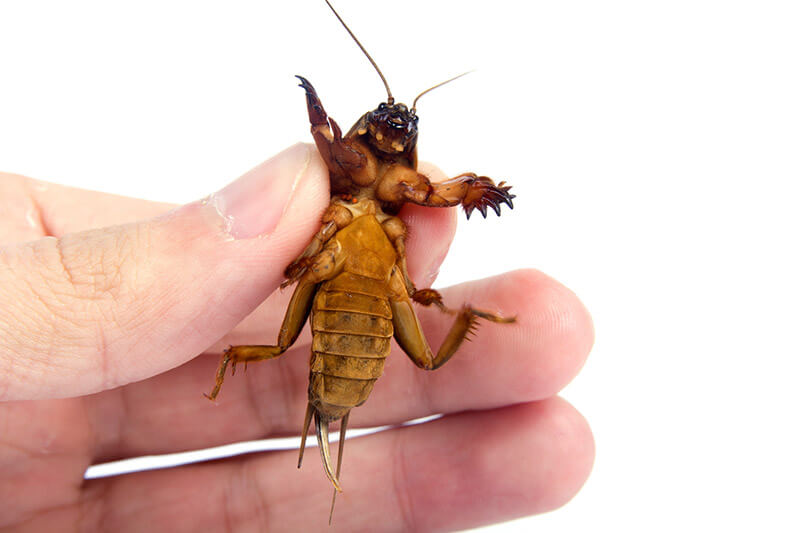
The cockroach, also known as the grillotalpa, is a formidable pest that can cause significant damage to your garden and orchard. With its powerful front legs, it can excavate burrows up to 1 meter deep, destroying lawns, infesting gardens, and even targeting crops like potatoes. The cockroach’s preferred plants are those rich in starches and sugars, including bok choy, bell peppers, tomatoes, zucchini, celery, and pumpkin.
Understanding the Enemy
Before we dive into the methods of eliminating cockroaches, it is essential to understand their behavior and biology. Cockroaches are highly adaptable creatures that can thrive in a wide range of environments. They are nocturnal, meaning they are most active at night, and they can survive for weeks without food or water.
The female cockroach can lay up to 300 eggs, which hatch into larvae after about two weeks. The entire life cycle takes around five years, with the adult cockroach reaching a length of approximately 5 cm. This prolonged lifespan allows the cockroach to cause damage during both its larval and adult stages.
Natural Predators
Fortunately, there are natural predators that can help control cockroach populations. These include:
- Top-hunting birds like owls, hawks, and falcons
- Small mammals like rabbits, rodents, and shrews
- Lizards and snakes
While these predators can slow down the cockroach population, they may not be effective in eliminating them entirely.
Biological Control Methods
Biological control methods involve using natural enemies to control pests. One popular method is using Steinernema carpocapsae, a type of nematode that attacks insects like the cockroach. However, this method is not recommended for use in gardens and agricultural fields because it can harm beneficial insects and non-target organisms.
Another biological control method is the use of Bacillus thuringiensis (Bt), a bacterium that produces a toxin that kills cockroaches. Bt is commonly used in integrated pest management (IPM) strategies to control insect populations, but its effectiveness can vary depending on factors like temperature and humidity.
Trapping the Cockroach
Catching the cockroach with traps can be an effective way to control its population. Traps typically consist of shallow containers or bottles filled with a bait substance that attracts the cockroach. The most common type of trap is one made from a plastic bottle, which is drilled with holes and placed in areas where the cockroach is likely to enter.
To increase the effectiveness of this method:
- Place traps near entry points, such as windows and doors
- Use bait substances that are attractive to cockroaches but not toxic to humans or pets
Another type of trap is a sticky trap, which uses a non-toxic adhesive substance to capture cockroaches. Sticky traps can be effective in controlling small populations, but they may not be suitable for large infestations.
Conclusion
Eliminating the cockroach requires a multi-faceted approach that involves understanding its behavior, using natural predators, implementing biological control methods, and employing trapping techniques. By adopting these strategies, you can protect your garden and orchard from this damaging pest.
Frequently Asked Questions (FAQs)
- What are some effective ways to control cockroach populations in my garden?
- Use natural predators like birds, small mammals, lizards, and snakes.
- Implement biological control methods using nematodes or other parasites.
- Employ trapping techniques with bait substances that attract cockroaches without harming humans or pets.
- How often should I replace traps to ensure they remain effective?
- Replace traps every few weeks to maintain their effectiveness.
- Can cockroaches be eliminated completely using these methods?
- While these methods can significantly reduce cockroach populations, complete elimination may not be possible due to the complexity of their life cycle and ability to adapt.
- Are there any risks associated with using nematodes or other biological control agents in my garden?
- Yes, these methods can harm beneficial insects and non-target organisms if not used properly.
- How can I prevent cockroaches from entering my home and garden in the first place?
- Seal entry points like windows, doors, and vents to prevent cockroaches from entering your space.
- What are some common signs of a cockroach infestation that I should look out for?
- Droppings, live cockroaches, and egg shells can be indicative of an infestation.
- Can cockroaches transmit diseases to humans or pets?
- Yes, cockroaches can carry and spread diseases like salmonella and dysentery.
- Are there any specific plants that are more susceptible to cockroach damage than others?
- Cockroaches tend to target plants with high starch and sugar content, including bok choy, bell peppers, tomatoes, zucchini, celery, and pumpkin.
Preventing Future Infestations
To prevent future infestations, it is essential to maintain a clean and hygienic environment. Regularly cleaning up crumbs, spills, and other food debris can help reduce the attractiveness of your garden to cockroaches.
Additionally, using diatomaceous earth or silica gel can repel cockroaches and prevent them from entering your space. These natural substances are non-toxic and environmentally friendly, making them a safe choice for use in gardens and homes.
By adopting these strategies and staying vigilant, you can protect your garden and orchard from the devastating effects of cockroach infestations.


