
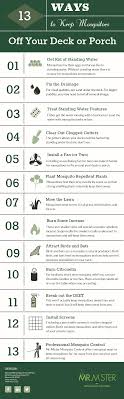
Understanding Mosquitoes: How to Keep Them at Bay
Mosquitoes can be a nuisance in our homes and gardens, but it’s not necessary to rely on chemical insecticides that can harm humans and the environment. Fortunately, nature has its own solutions to keep these pests away.
The Good News About Natural Repellents
While chemical insecticides may seem like an easy solution, they can have serious consequences for human health and the environment. That’s why it’s essential to explore natural alternatives for keeping mosquitoes at bay. In this article, we’ll delve into the world of natural repellents, from essential oils to homemade sprays.
Understanding Mosquitoes
Before we dive into the solutions, let’s quickly understand what makes mosquitoes tick. There are four main species in Italy: the common mosquito, the tiger mosquito, the Korean mosquito, and the Japanese mosquito. Not all natural remedies are effective against all these species, so it’s essential to know your enemy.
The Common Mosquito (Culex pipiens)
The common mosquito is one of the most widespread species found in Italy. They feed on human blood and can transmit diseases like malaria, dengue fever, and Zika virus.
The Tiger Mosquito (Aedes albopictus)
The tiger mosquito is known for its distinctive stripes and aggressive behavior. They are a primary vector for diseases like chikungunya and dengue fever.
The Korean Mosquito (Culex tritaeniorhynchus)
The Korean mosquito is found primarily in Korea but has also been spotted in Italy. They feed on human blood and can transmit diseases like Japanese encephalitis.
The Japanese Mosquito (Aedes japonicus)
The Japanese mosquito is a relatively new species found in Japan, but it’s also present in Italy. They are known to feed on human blood and can transmit diseases like dengue fever.
The Power of Essential Oils
Essential oils have been shown to repel mosquitoes due to their potent odor, which interferes with the mosquito’s nervous system and enzymes. Some of the most effective essential oils include:
- Lavender oil: Known for its calming effects, lavender oil can also help repel mosquitoes.
- Tea Tree oil: This oil has antiseptic properties that can help prevent bites and reduce inflammation.
- Lemon oil: The strong citrus scent of lemon oil can repel mosquitoes and leave a lasting impression.
- Eucalyptus oil: With its refreshing aroma, eucalyptus oil can also help keep mosquitoes at bay.
- Peppermint oil: This invigorating oil can not only repel mosquitoes but also provide a cooling sensation on the skin.
- Citronella oil: Derived from a type of grass, citronella oil is commonly used in candles and sprays to repel mosquitoes.
While these oils are effective, their effects are temporary and require frequent application. To get the most out of essential oils, mix them with a carrier oil like coconut or olive oil before applying to exposed skin or clothing.
Making Your Own Repellent Spray
You can create your own repellent spray using essential oils by diluting them in a carrier oil. A 5% concentration is recommended for optimal effectiveness. Here’s a simple recipe:
- Mix 10 drops of your chosen essential oil with 100ml of carrier oil.
- Apply the mixture to exposed skin and clothing.
DIY Mosquito Traps
In addition to repellents, you can also use DIY traps to capture mosquitoes. One popular option is the homemade mosquito trap using a bottle and vinegar.
- Fill a bottle halfway with apple cider vinegar or white vinegar.
- Add water to the bottle until it’s almost full.
- Place a piece of paper towel over the top of the bottle, securing it with a rubber band.
- Poke some small holes in the paper towel using a fork or a toothpick.
The mosquitoes will be attracted to the vinegar and get trapped inside the bottle.
Candle Repellent
Another creative way to repel mosquitoes is by using candles made from natural wax and essential oils. Simply light the candle, and the fragrance will help keep mosquitoes away.
Spray Antimosquito Fai-da-Te
You can also create your own spray antimosquito fai-da-te using a combination of water and essential oils. Here’s a simple recipe:
- Mix 100ml of water with 10 drops of your chosen essential oil.
- Spray the mixture around the house, especially in areas where mosquitoes are most active.
Plants That Repel Mosquitoes
Certain plants have natural properties that repel mosquitoes. Some of these include:
- Citronella: Known for its strong citrus scent, citronella can be planted in pots or garden beds to keep mosquitoes away.
- Basil: This herb is not only a flavor enhancer but also has natural mosquito-repelling properties.
- Lavender: With its calming effects, lavender can also help repel mosquitoes and create a relaxing atmosphere.
- Geranium: This plant has natural antiseptic properties that can help prevent bites and reduce inflammation.
- Mint: The strong scent of mint can repel mosquitoes and leave a lasting impression.
These plants can be placed near windows, doors, or even in pots to create a mosquito-repelling barrier. By incorporating these natural remedies into your daily routine, you can keep mosquitoes at bay and enjoy a healthier, more sustainable living space.
Piretro: A Natural Insecticide
For gardens and outdoor areas, you can use piretro, a natural insecticide that is effective against all four species of mosquitoes. Piretro is derived from the seeds of the Neem tree and has been shown to be safe for humans and the environment.
To use piretro, simply mix it with water according to the manufacturer’s instructions and spray it around the affected area.
Traps Fai-da-Te
Finally, you can create your own traps fai-da-te using natural materials like bottles, vinegar, and paper towels. These traps are an effective way to capture mosquitoes without harming them.
By incorporating these natural remedies into your daily routine, you can keep mosquitoes at bay and enjoy a healthier, more sustainable living space.


