
Keeping Mosquitoes at Bay: Effective Remedies for a Zanzara-Free Garden
Are mosquitoes ruining your outdoor space? Do you find yourself swatting at them every time you step outside? Don’t worry, we’ve got some effective remedies to help you keep those pesky insects away from your garden.
Understanding the Importance of Mosquito Control
Mosquitoes are more than just a nuisance; they can also pose serious health risks. They transmit diseases such as malaria, dengue fever, and Zika virus, making it essential to control their populations effectively. By taking steps to prevent mosquito breeding and using natural remedies, you can protect yourself, your family, and your garden from these pesky insects.
Planting Mosquito-Repelling Plants
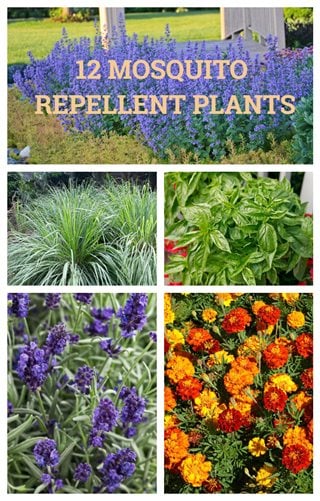
While no single plant can completely eliminate mosquitoes, certain species have natural properties that repel these insects. By incorporating these plants into your garden, you can create a mosquito-free zone. Here are some of the most effective mosquito-repelling plants:
- Calendula: This bright and beautiful flower contains piretro, a natural insecticide that repels mosquitoes.
- Citronella: The essential oil extracted from this grass is known for its strong mosquito-repelling properties.
- Eucalyptus: The aromatic leaves of the eucalyptus tree release a scent that keeps mosquitoes at bay.
- Pelargonium Odoroso: This fragrant herb emits a strong aroma that repels mosquitoes.
Tips for Planting Mosquito-Repelling Plants
- Choose plants that are native to your region, as they will be more effective at repelling mosquitoes.
- Plant these species in areas where mosquitoes tend to congregate, such as near standing water or under dense foliage.
- Use a variety of plant types to create a diverse and resilient garden ecosystem.
Understanding Mosquito Habitat and Behavior
Mosquitoes thrive in water, and their larvae need standing water to develop. By eliminating these sources of moisture, you can prevent mosquito breeding. Here are some tips for reducing mosquito habitat:
- Remove Standing Water: Regularly drain and clean containers, pools, and other objects that collect water.
- Eliminate Breeding Sites: Regularly inspect your yard for areas where mosquitoes breed and eliminate them.
- Reduce Irrigation: Avoid overwatering plants and reduce irrigation to prevent standing water from forming.
Biological Control Methods
Instead of relying on chemicals, consider using biological control methods to manage mosquito populations. Here are some effective options:
- Gambusia Fish: These fish feed on mosquito larvae, making them a great natural predator.
- Dragonflies and Damselflies: These insects are known for their ability to devour mosquitoes in mid-air.
- Bats: Yes, you read that right! Some species of bats are expert mosquito catchers.
Tips for Effective Biological Control
- Use a combination of biological control methods to achieve the best results.
- Choose species that are native to your region and well-suited to local conditions.
- Introduce these species into your garden in a controlled manner to avoid disrupting other ecosystems.
Using Metal Barriers
Metal barriers can be an effective way to repel mosquitoes. Here’s how:
- Install Metal Barriers: Place metal strips or mesh around plants and other areas where mosquitoes tend to congregate.
- Use Copper-Based Barriers: Copper has natural properties that repel mosquitoes, making it a great option for gardeners.
Tips for Effective Metal Barrier Use
- Use the most effective types of metal barriers, such as copper or aluminum mesh.
- Place these barriers in areas where mosquitoes tend to congregate, such as near standing water or under dense foliage.
- Regularly inspect and maintain these barriers to ensure they remain effective.
Conclusion
Keeping mosquitoes at bay requires a combination of effective remedies, understanding their habitat and behavior, and using biological control methods. By incorporating these tips into your gardening routine, you can enjoy a mosquito-free outdoor space without relying on chemicals.


